


 Home
Home
Hello, could you explain what is soluble corn fiber and how it works in the body? Is it safe for people with diabetes or IBS, and how does it compare to other types of fiber like inulin or psyllium?
What is soluble corn fiber and how does it affect digestion, blood sugar, and gut health in everyday diets?
Related Encyclopedia
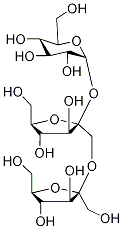
- 9005-80-5
- C18H32O16
- 504.43708
- All (24)
- China (14)
- (24)
- 9005-25-8
- (C6H10O5)n
- 0
- All (58)
- China (17)
- (58)
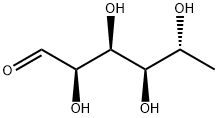
- 7658-08-4
- C6H12O5
- 164.16
- All (0)
- China (0)
- (0)
- 9075-53-0
- 0
- All (3)
- China (3)
- (3)
- 13405-60-2
- C13H16O10
- 332.26
- All (0)
- China (0)
- (0)
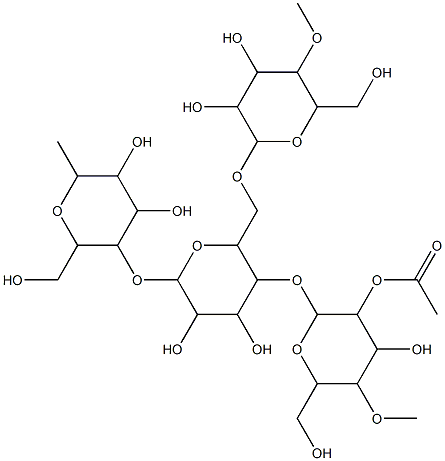
- 9045-28-7
- C29H50O21
- 734.6947
- All (0)
- China (0)
- (0)
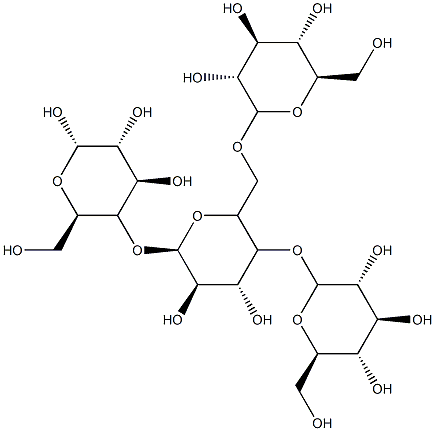
- 9049-76-7
- C24H42O21
- 666.57768
- All (14)
- China (5)
- (14)
- 9005-27-0
- (C6H10O5)m(C2H5O)n
- 0
- All (11)
- China (6)
- (11)
- 9047-50-1
- Cl6N3P3
- 347.661
- All (4)
- China (4)
- (4)
- 9005-84-9
- (C6H10O5)n
- 0
- All (10)
- China (0)
- (10)
Related Products More >
- CNY Request For Quotation
- CNY Request For Quotation
- 9005-25-8
- USD 27.0000
- 25kg
- 5996-10-1
- USD 525.0000
- 25kg
- 34482-63-8
- Request For Quotation
- 1ton
- 34482-63-8
- Request For Quotation
- 25kg
- 97-89-2
- Request For Quotation
- 97-89-2
- Request For Quotation


When consumed, soluble corn fiber resists digestion in the upper gastrointestinal tract and reaches the colon mostly intact. There, it undergoes fermentation by gut microbiota, producing short-chain fatty acids (SCFAs) like butyrate, acetate, and propionate. These SCFAs play an important role in maintaining colon health, regulating immune responses, and even supporting metabolic functions. Additionally, the fermentation process promotes the growth of beneficial bacteria like Bifidobacterium, contributing to a healthier gut microbiome.
From a clinical perspective, soluble corn fiber is often used as a functional ingredient in nutrition bars, beverages, or meal replacements. It provides minimal calories while offering digestive benefits, making it a good option for individuals managing weight, diabetes, or irregular bowel habits. Unlike some other fibers, it is well-tolerated and less likely to cause gas or bloating, especially when introduced gradually.
However, high intake in a short period may still lead to mild gastrointestinal discomfort, especially in individuals with sensitive digestion or IBS. It’s important to check for potential corn allergies or sensitivities, though allergic reactions to soluble corn fiber are rare.
To get the most benefit, patients should incorporate soluble corn fiber gradually into their diets, ideally paired with adequate hydration. Natural alternatives include inulin (from chicory root), psyllium husk, or partially hydrolyzed guar gum—all offering different profiles for fermentability, viscosity, and tolerance. For those on low-FODMAP diets, consultation with a dietitian is recommended before adding any fermentable fiber.
Think of it like adding a pinch of sugar to tea, but instead of just sweetening, it also acts like a helper for your gut. When you stir it in, it disappears into the liquid, working behind the scenes to keep things running smoothly, just like how soluble corn fiber mixes into yogurt, protein bars, or drinks without making them gritty.
Next time you’re picking a snack, check the label for "soluble corn fiber"—it’s a easy way to sneak extra fiber into your day without changing the taste much. Great for folks who want a little nutritional boost!
Several factors influence how soluble corn fiber affects your health. First, its source matters. Always check labels to ensure it comes from a reputable, non-GMO source. Next, consider how it’s used in products. Some foods may contain high amounts of added sugars alongside soluble corn fiber, which can negate its health benefits. Also, different family members may react differently to it. While most people tolerate it well, some might experience bloating or gas, especially if they’re not used to high-fiber diets.
A common mistake is thinking that all fibers are the same. Soluble corn fiber has unique properties; it can help regulate blood sugar levels and support digestive health, but it doesn’t provide the same benefits as insoluble fibers found in whole grains and vegetables. Another misconception is that adding soluble corn fiber means you can eat less of other nutritious foods. It’s best used as a supplement to a balanced diet, not a replacement.
For families looking to incorporate soluble corn fiber into their daily routine, start slowly. Add small amounts to smoothies or oatmeal to help your digestive system adjust. Encourage kids to try fiber-rich snacks by mixing soluble corn fiber into homemade energy bites or pancakes. Always pair it with plenty of water to aid digestion and prevent discomfort.
Lastly, keep an eye on overall dietary balance. While soluble corn fiber is beneficial, it shouldn’t overshadow other important nutrients. Aim for a variety of fibers from fruits, vegetables, legumes, and whole grains. By taking these gentle steps, you can support your family’s digestive health and well-being in a sustainable way.
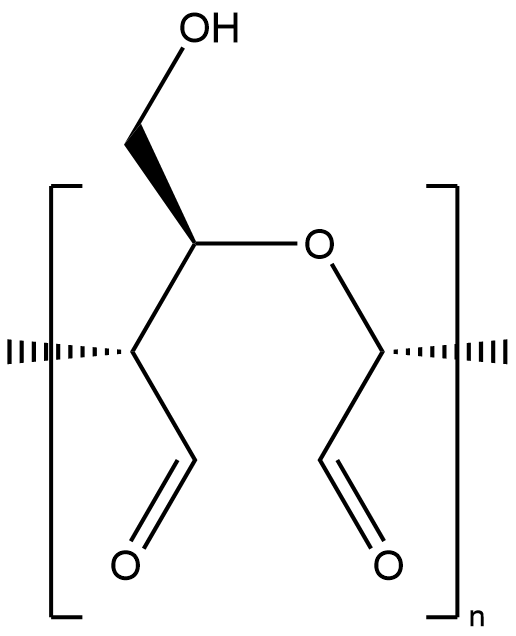
Chemically speaking, soluble corn fiber is composed mainly of glucose units linked together by a mix of glycosidic bonds, including both α-1,4 and α-1,6 linkages. These linkages form a branched polysaccharide structure. What makes it unique is the way the enzymes rearrange the starch during production to create bonds that human digestive enzymes—like amylase—have difficulty breaking down. Because of this, it doesn’t get absorbed as regular sugar does, and instead acts more like dietary fiber.
These glycosidic bonds are covalent bonds, which means the atoms share electrons rather than transferring them, contributing to the molecule’s stability. Since it’s made up of hydroxyl-rich glucose units, it’s a polar compound and dissolves well in water, which is why it’s called soluble corn fiber. Its polar nature and stable structure allow it to mix into beverages or foods without changing their flavor or texture too much.
Biologically, when it reaches the large intestine, it becomes a food source for gut bacteria, which ferment it to produce beneficial short-chain fatty acids like butyrate. These byproducts support colon health and may influence metabolism and immunity.
Industrially, soluble corn fiber is used in everything from protein shakes to low-sugar snacks. It adds fiber content and slight sweetness without adding many calories or spiking blood sugar.