


 Home
Home
Vegan collagen is often talked about as an alternative to collagen from animal sources, but many wonder what it really is. Is it made the same way as regular collagen? Where does it come from if not from animals? Does it work like the collagen found in meat or fish products? Can it help with things like skin health or joint support just as well? How do vegans get the benefits of collagen without using animal ingredients?
What Exactly Is Vegan Collagen and How Does It Work?
Related Encyclopedia
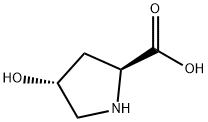
- 51-35-4
- C5H9NO3
- 131.13
- All (84)
- China (23)
- (84)
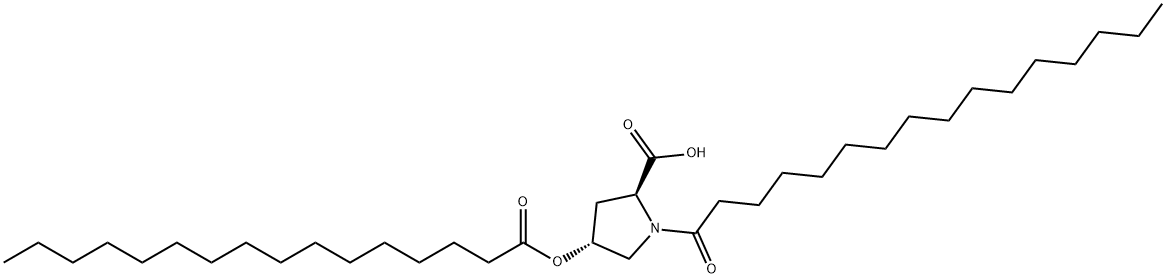
- 41672-81-5
- C37H69NO5
- 607.95
- All (1)
- China (0)
- (1)
- 147028-80-6
- C5H9NO3
- 131.13000
- All (84)
- China (23)
- (84)
- 29795-82-2
- C5H9NO2
- 115.13000
- All (19)
- China (0)
- (19)
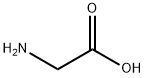
- 56-40-6
- C2H5NO2
- 75.07
- All (308)
- China (62)
- (308)
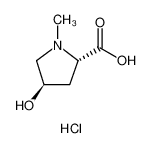
- 89771-43-7
- C6H12ClNO3
- 181.61700
- All (0)
- China (0)
- (0)
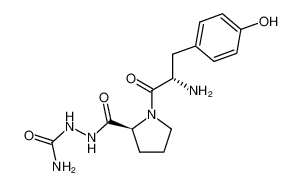
- 284038-41-1
- C15H21N5O4
- 335.35800
- All (0)
- China (0)
- (0)
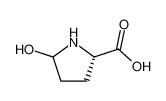
- 104111-00-4
- C5H9NO3
- 131.13000
- All (0)
- China (0)
- (0)
- 286375-02-8
- C53H78N12O16S4
- 1267.52000
- All (0)
- China (0)
- (0)
- 264146-55-6
- C58H92N16O16S4
- 1397.71000
- All (0)
- China (0)
- (0)
Related Products More >

- 147-85-5
- CNY Request For Quotation
- 147-85-4
- CNY Request For Quotation
- 147-85-3
- CNY Request For Quotation
- CNY Request For Quotation
- CNY Request For Quotation
- CNY Request For Quotation
- 107-43-7
- CNY Request For Quotation
- 107-43-7
- CNY Request For Quotation


These plant-based sources are packed with the building blocks your body needs to make its own collagen, like specific proteins and vitamins. For example, foods like soy, quinoa, and citrus fruits have nutrients that help your body create collagen naturally. Some supplements labeled as vegan collagen are actually blends of these nutrients, making it easier for vegans to get what they need.
You might see it in powders or pills at health stores, marketed to support skin, hair, or joints. It’s a way for people who don’t eat animal products to nourish their bodies in a way that helps maintain that stretchy, strong tissue we rely on every day.
These formulations leverage the body’s inherent ability to synthesize collagen using dietary building blocks, bypassing the need for animal-derived peptides. For instance, soy protein isolates in vegan collagen supplements provide lysine, an essential amino acid critical for cross-linking collagen fibers, while bamboo extract supplies silica, a mineral that supports the formation of collagen fibrils in connective tissues. This approach aligns with the biological principle that collagen synthesis depends on nutrient availability rather than direct ingestion of preformed collagen, making it functionally distinct from animal-based alternatives.
In practice, vegan collagen finds application in supplements and topical products aimed at populations adhering to plant-based diets. A topical serum might include aloe vera, rich in polysaccharides that enhance skin hydration, alongside green tea extract, which provides antioxidants to protect existing collagen from oxidative damage. Internally, a vegan collagen powder could blend pea protein (a source of glycine) with rosehip extract (high in vitamin C), creating a synergistic mix that supports fibroblast activity—the cells responsible for collagen assembly—in the dermis.
Notably, vegan collagen does not contain collagen itself but rather the precursors and cofactors required for its biosynthesis. This distinguishes it from "lab-grown" collagen, which uses microbial fermentation or cell cultures to produce collagen molecules, though such products are also often categorized under the vegan umbrella. Both approaches address the limitations of animal-derived collagen, offering sustainable, ethical alternatives while maintaining the biological mechanisms necessary for collagen health.
From a physiological perspective, vegan collagen must interact with human cells in a manner comparable to endogenous collagen to be effective. In vitro studies demonstrate that certain plant-derived collagens can stimulate fibroblast activity and promote extracellular matrix synthesis, though their efficacy varies based on formulation and delivery mechanisms. The skincare industry has embraced vegan collagen for its hypoallergenic and sustainable profile, incorporating it into serums and creams aimed at improving skin elasticity and hydration. Meanwhile, in tissue engineering, recombinant human collagen produced in yeast or bacteria shows promise as a scaffold material, avoiding the immunological risks associated with animal-derived collagen. The food and nutraceutical sectors also utilize plant-based collagen boosters, such as vitamin C-rich extracts and amino acid blends, to support endogenous collagen production in consumers adhering to vegan diets.
The rise of vegan collagen reflects broader shifts toward ethical consumption and precision fermentation technologies. Its development intersects with environmental science, as it reduces reliance on livestock farming—a major contributor to greenhouse gas emissions—while addressing concerns over zoonotic diseases and religious dietary restrictions. However, challenges remain in replicating the full biomechanical complexity of native collagen, particularly in medical applications requiring high tensile strength. Innovations in biofabrication and 3D bioprinting may soon bridge this gap, enabling fully plant-based or lab-grown collagen to replace animal sources in wound dressings, implants, and even cultured meat. This transition not only redefines sustainability in biomanufacturing but also underscores the potential of interdisciplinary approaches to meet global demand for cruelty-free biomaterials.
From a biochemical perspective, microbial-derived vegan collagen retains the triple-helix structure of native collagen, ensuring compatibility with human tissues, while plant-based supplements rely on bioactive compounds to upregulate collagen production pathways. This distinction is critical in fields like regenerative medicine, where structural fidelity is necessary for wound healing or tissue scaffolds, versus nutrition, where stimulating endogenous synthesis suffices.
A common misunderstanding is that vegan collagen is inherently inferior to animal-sourced variants. However, microbial fermentation can produce collagen with identical amino acid sequences and cross-linking capabilities, eliminating risks like prion contamination or allergic reactions associated with animal tissues. Plant-based formulations, while not direct structural replacements, offer ethical and sustainable advantages, addressing consumer demand for cruelty-free products.
In engineering, vegan collagen’s scalability via fermentation reduces reliance on livestock, aligning with circular economy principles. Clinically, its purity and customizability make it suitable for sensitive applications, such as cosmetic fillers or drug delivery systems. Understanding these nuances clarifies that vegan collagen is not a single product but a spectrum of solutions, each balancing efficacy, ethics, and environmental impact in professional contexts.