


 Home
Home
Hydrochloric acid is used in cleaning, pool maintenance, and labs, but is it actually harmful? Can touching it or inhaling its fumes cause burns or breathing problems? How dangerous is it to handle at home or in a workplace? What safety precautions should be taken when using it, and why is it important to know the risks before working with this chemical?
Is Hydrochloric Acid Harmful to Humans or the Environment?
Related Encyclopedia
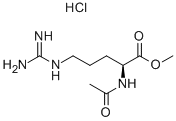
- 1784-05-0
- C9H19ClN4O3
- 266.73
- All (0)
- China (0)
- (0)
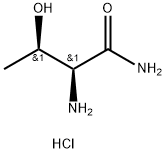
- 33209-01-7
- C4H11ClN2O2
- 154.59
- All (0)
- China (0)
- (0)
- 1355478-15-7
- C16H8BrCl2N3
- 393.06500
- All (0)
- China (0)
- (0)
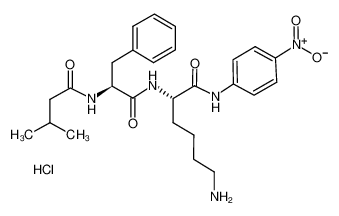
- 178894-43-4
- C26H36ClN5O5
- 534.05000
- All (0)
- China (0)
- (0)
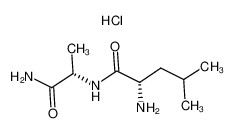
- 87831-94-5
- C9H20ClN3O2
- 237.73000
- All (0)
- China (0)
- (0)
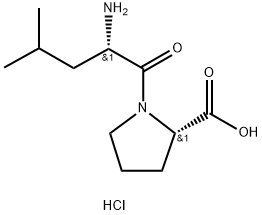
- 87178-63-0
- C11H21ClN2O3
- 264.75
- All (0)
- China (0)
- (0)
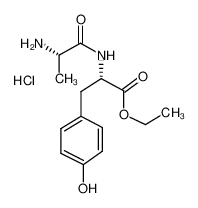
- 13260-91-8
- C14H21ClN2O4
- 316.78100
- All (0)
- China (0)
- (0)
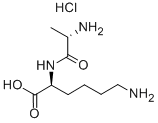
- 68973-27-3
- C9H20ClN3O3
- 253.73
- All (0)
- China (0)
- (0)
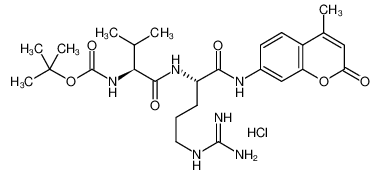
- 113865-96-6
- C26H39ClN6O6
- 567.07700
- All (0)
- China (0)
- (0)
- 60417-38-1
- C10H21ClN2O3
- 252.74000
- All (0)
- China (0)
- (0)
Related Products More >

- 657-27-2
- USD 1050.0000
- 25kg
- 14252-80-3
- 1.0000
- GlassBottlekg
- 99300-78-4
- Request For Quotation
- 99300-78-4
- Request For Quotation
- 99300-78-4
- Request For Quotation
- 99300-78-4
- Request For Quotation
- 99300-78-4
- Request For Quotation
- 99300-78-4
- Request For Quotation


You usually see it in cleaning products or swimming pool chemicals, so it’s important to use gloves, goggles, and work in a ventilated area. Don’t mix it with other chemicals unless you’re sure it’s safe, and always store it securely. Treating it with respect and understanding its risks keeps you safe while letting you use it effectively.
In the physiological realm, when hydrochloric acid comes into contact with human tissue, it can cause severe damage. The hydrogen ions react with water in cells, lowering the pH and disrupting normal biochemical processes. This can lead to protein denaturation, cell death, and tissue necrosis. For example, if it gets into the eyes, it can cause blindness; on the skin, it can result in chemical burns.
In industrial and engineering settings, hydrochloric acid is used in processes like steel pickling and chemical synthesis. However, its handling demands strict safety protocols. Unlike some weak acids that may have milder effects, hydrochloric acid's strong reactivity makes it far more dangerous. A common misunderstanding is that dilution makes it safe. While dilution reduces concentration, the acid still retains its corrosive nature. Proper storage in corrosion - resistant containers, use of personal protective equipment, and adherence to disposal regulations are crucial to minimize the harm posed by hydrochloric acid in various professional environments.
In industrial settings, where concentrated HCl is used for metal processing, chemical synthesis, or pH adjustment, its harmful potential is managed through strict safety protocols—protective gear, ventilation systems, and neutralization procedures—yet accidents can still occur, highlighting the need for rigorous training. Even dilute solutions, such as those in some household cleaners, pose risks: prolonged skin contact may cause redness or dermatitis, while ingestion can damage the esophagus and stomach lining, as the acid overwhelms the natural protective mechanisms of the digestive tract, leading to ulcers or internal bleeding.
Paradoxically, HCl is also a natural and essential component of human physiology, produced by the stomach to aid digestion. Gastric HCl activates digestive enzymes like pepsin, helps absorb nutrients such as iron and vitamin B12, and kills ingested bacteria, playing a critical role in maintaining gut health. Here, its harmful properties are neutralized by the body’s regulatory systems—mucus linings protect the stomach wall, and bicarbonate secretions from the pancreas neutralize acid as it enters the small intestine—demonstrating that context determines whether HCl acts as a threat or a necessity.
Beyond immediate biological effects, improper disposal of HCl can harm ecosystems, as it acidifies water bodies and soil, disrupting aquatic life and plant growth. This environmental impact underscores the importance of responsible handling across all contexts, from industrial use to laboratory experiments. Recognizing HCl’s dual nature—potentially harmful yet functionally vital—encourages a balanced approach that leverages its utility while mitigating risks, ensuring its role in science, industry, and biology remains both productive and safe.
From a practical standpoint, exposure to hydrochloric acid can cause chemical burns on skin and eyes, respiratory irritation from vapors, and corrosion of metals if not handled properly. For instance, workers in steel pickling or pool maintenance often encounter hydrochloric acid and must use protective gear such as gloves, goggles, and ventilation systems. Even dilute solutions can be dangerous if ingested or improperly mixed with incompatible chemicals, producing heat or toxic gases.
Understanding its chemical behavior allows professionals to employ hydrochloric acid safely while maximizing its utility. Controlled use in titrations, industrial cleaning, or neutralization reactions illustrates the balance between its reactive potential and necessary safety precautions. Knowledge of concentration, reaction mechanisms, and protective protocols is essential for preventing injury, environmental damage, and material degradation when handling this common but potent acid.