


 Home
Home
Some skincare enthusiasts are curious about acids and how they affect the skin. Can hydrochloric acid be used safely on the skin, or is it too harsh? How does it interact with skin cells, and what results might it produce? Are there benefits to using products that contain low levels of HCl, or should it only be avoided? How do concentration and pH levels impact its effect, and what precautions should people take when considering it for skincare routines?
What Does Hydrochloric Acid Do for Skin?
Related Encyclopedia
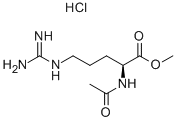
- 1784-05-0
- C9H19ClN4O3
- 266.73
- All (0)
- China (0)
- (0)
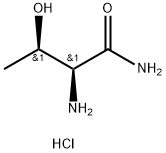
- 33209-01-7
- C4H11ClN2O2
- 154.59
- All (0)
- China (0)
- (0)
- 1355478-15-7
- C16H8BrCl2N3
- 393.06500
- All (0)
- China (0)
- (0)
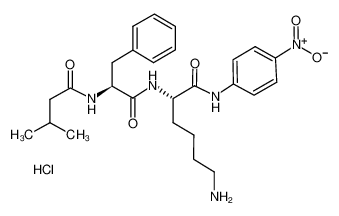
- 178894-43-4
- C26H36ClN5O5
- 534.05000
- All (0)
- China (0)
- (0)
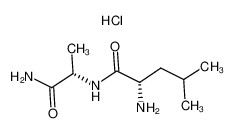
- 87831-94-5
- C9H20ClN3O2
- 237.73000
- All (0)
- China (0)
- (0)
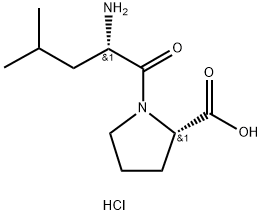
- 87178-63-0
- C11H21ClN2O3
- 264.75
- All (0)
- China (0)
- (0)
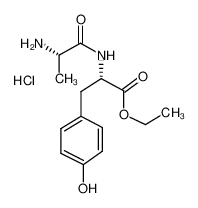
- 13260-91-8
- C14H21ClN2O4
- 316.78100
- All (0)
- China (0)
- (0)
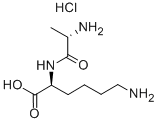
- 68973-27-3
- C9H20ClN3O3
- 253.73
- All (0)
- China (0)
- (0)
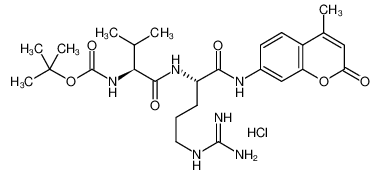
- 113865-96-6
- C26H39ClN6O6
- 567.07700
- All (0)
- China (0)
- (0)
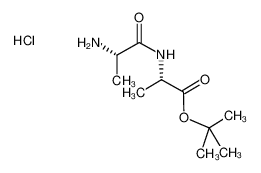
- 60417-38-1
- C10H21ClN2O3
- 252.74000
- All (0)
- China (0)
- (0)
Related Products More >

- 657-27-2
- USD 1050.0000
- 25kg
- 14252-80-3
- 1.0000
- GlassBottlekg
- 99300-78-4
- Request For Quotation
- 99300-78-4
- Request For Quotation
- 99300-78-4
- Request For Quotation
- 99300-78-4
- Request For Quotation
- 99300-78-4
- Request For Quotation
- 99300-78-4
- Request For Quotation


Your skin has its own natural acidity, which helps protect against bacteria and maintain balance. Strong HCl would disrupt that barrier and cause redness, peeling, or burns. So in everyday terms, it’s mostly used behind the scenes in product chemistry, not as a direct treatment, and it’s important to be careful with products that list it as an ingredient.
When hydrochloric acid comes into contact with the skin, it disrupts the skin's natural barrier function. The hydrogen ions react with the water in skin cells, causing a rapid drop in pH. This acidic environment denatures proteins, which are essential for the structure and integrity of skin cells. As a result, cells lose their normal shape and function, leading to tissue damage, chemical burns, and inflammation.
In contrast to some mild acids used in skincare, like alpha - hydroxy acids (AHAs) or beta - hydroxy acids (BHAs) which are used in controlled, low concentrations for exfoliation, hydrochloric acid is far too strong and reactive. A common misunderstanding is that strong acids can deeply clean or rejuvenate the skin. However, hydrochloric acid's corrosive nature means it will cause more harm than good, damaging the epidermis and potentially even the underlying dermis, leading to long - term skin problems such as scarring and hyperpigmentation if not treated promptly and properly.
In practice, the protective function of HCl in products is subtle but important. For example, a chemical exfoliant might contain trace amounts of HCl to maintain the acidic environment necessary for alpha-hydroxy acids to work efficiently, improving skin turnover without compromising safety. Conversely, if skin is exposed to even moderately concentrated hydrochloric acid, it can cause immediate protein denaturation, erythema, or chemical burns. Professionals in formulation chemistry must carefully calculate concentrations and buffering agents to prevent these harmful effects while achieving desired product performance.
Understanding the mechanistic role of HCl allows chemists to manipulate skin product properties safely. Its use demonstrates how a highly reactive chemical, when precisely controlled, contributes to product stability, efficacy, and compatibility with human physiology. For instance, laboratory-grade HCl is never applied to skin, but millimolar adjustments in a lotion can significantly influence ingredient solubility and pH-dependent activity, showcasing the link between chemical properties and practical dermatological outcomes.
In medical and cosmetic contexts, however, extremely dilute forms of hydrochloric acid, often as part of chemical peels or exfoliating agents, serve a controlled purpose. At low concentrations, HCl can gently disrupt the bonds between dead skin cells in the stratum corneum, facilitating their removal and promoting the turnover of newer, healthier skin cells. This exfoliation can improve texture, reduce the appearance of fine lines, or address conditions like acne by unclogging pores, though such use is carefully regulated to avoid damaging living tissues. Unlike alpha-hydroxy acids (AHAs) or beta-hydroxy acids (BHAs), which work through different chemical pathways, HCl’s action is more direct, relying on its ability to lower pH and break down keratin, a protein in the skin’s outer layer.
The skin’s response to HCl also reflects its role as a protective barrier. The epidermis, with its tough, keratin-rich cells, resists minor exposure to dilute acids, but prolonged contact or higher concentrations overwhelm this defense. This vulnerability underscores the importance of safety in industrial settings, where workers handling HCl must use gloves and protective clothing to prevent contact. Conversely, in dermatological practice, understanding the threshold between therapeutic exfoliation and tissue damage allows for precise formulation of treatments, ensuring that the acid’s reactivity is harnessed without causing harm.
Beyond immediate effects, the interaction between HCl and skin highlights broader principles of chemical reactivity in biological systems. The same properties that make HCl useful in industrial cleaning—its ability to dissolve organic matter—make it dangerous in uncontrolled contact with living tissue, while careful manipulation of concentration and exposure time transforms it into a tool for skin renewal. This duality emphasizes the importance of context in determining the impact of chemical substances, bridging industrial safety, medical science, and cosmetic chemistry in a shared understanding of how acids interact with biological tissues.