


 Home
Home
When it comes to using essential oils around newborn babies, many parents wonder which ones are actually safe to use. Are all essential oils gentle enough for a newborn’s sensitive skin and developing body? What should parents avoid, and how can they use essential oils in a way that doesn’t harm their baby? Are there specific oils recommended by experts for newborns? Basically, how can parents make sure they’re using essential oils safely with their tiny infants?
What Essential Oils Are Safe for Newborns? A Simple Guide for Parents
Related Encyclopedia
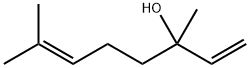
- 78-70-6
- C10H18O
- 154.25
- All (21)
- China (1)
- (21)
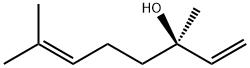
- 126-91-0
- C10H18O
- 154.25
- All (5)
- China (2)
- (5)
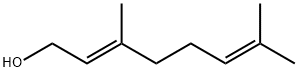
- 106-24-1
- C10H18O
- 154.25
- All (33)
- China (14)
- (33)
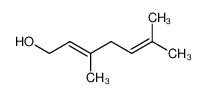
- 103606-17-3
- C9H16O
- 140.22300
- All (33)
- China (14)
- (33)
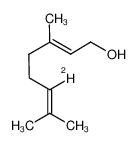
- 1203571-50-9
- C10H17DO
- 155.25500
- All (33)
- China (14)
- (33)
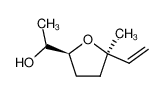
- 104188-13-8
- C9H16O2
- 156.22200
- All (0)
- China (0)
- (0)
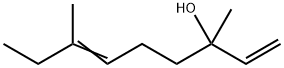
- 10339-55-6
- C11H20O
- 168.28
- All (2)
- China (2)
- (2)
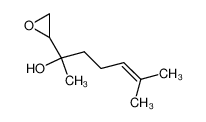
- 15249-34-0
- C10H18O2
- 170.24900
- All (6)
- China (0)
- (6)

- 1113-21-9
- C20H34O
- 290.48
- All (1)
- China (1)
- (1)
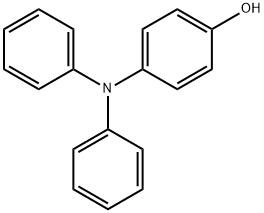
- 25069-86-7
- C18H15NO
- 261.32
- All (1)
- China (1)
- (1)
Related Products More >

- CNY Request For Quotation
- CNY Request For Quotation
- CNY Request For Quotation
- CNY Request For Quotation
- CNY Request For Quotation
- CNY Request For Quotation
- 97-53-0
- Request For Quotation
- 8024-35-9
- Request For Quotation


Dilution is non-negotiable; even inherently mild oils like lavender require a 0.5-1% concentration in a carrier oil like jojoba to avoid skin sensitization. Inhalation, often proposed as a safer alternative, carries risks too—strong scents can disrupt a newborn’s breathing pattern or cause sneezing fits. A parent might add a single drop of diluted mandarin to a diffuser placed far from the crib, ensuring the aroma is faint enough to avoid overwhelming the baby’s sensitive olfactory system.
Practical use demands vigilance. Even with “safe” oils, reactions like redness or fussiness signal immediate discontinuation. A common scenario involves a caregiver using diluted tea tree oil to address cradle cap; if the scalp becomes inflamed, switching to plain coconut oil prevents further irritation. Understanding that a newborn’s tolerance is far lower than an adult’s means prioritizing minimal exposure over potential benefits, ensuring each interaction with essential oils remains low-risk and intentional.
In contrast, certain essential oils with lower molecular weights and milder pharmacological profiles are considered relatively safer for limited use in newborns, provided they are heavily diluted and applied under strict medical supervision. Lavender oil, for example, contains linalool and linalyl acetate, which exhibit sedative and anxiolytic effects through modulation of gamma-aminobutyric acid (GABA) receptors in the brain. However, even lavender oil must be used cautiously, as prolonged or excessive exposure can disrupt hormonal balance by inhibiting androgen synthesis, particularly in prepubescent children. Another example is chamomile oil, which derives its calming properties from apigenin, a flavone that binds to benzodiazepine receptors without the risk of dependence. Nonetheless, chamomile oil can provoke allergic reactions in infants with a history of atopic dermatitis or ragweed sensitivity, underscoring the importance of patch testing prior to application.
A common misconception is that natural substances are inherently safe, a fallacy that overlooks the dose-response relationship central to toxicology. Essential oils, despite their botanical origins, contain concentrated bioactive agents that can overwhelm an infant’s delicate physiological systems. For example, tea tree oil, while valued for its antimicrobial properties, contains terpinen-4-ol, which can cause ataxia, drowsiness, or even coma in newborns if ingested or absorbed transdermally in significant quantities. Similarly, citrus oils like lemon or orange, which are rich in limonene, pose a risk of phototoxicity, leading to severe sunburns when applied to the skin before sun exposure. This distinction between therapeutic benefit and potential harm hinges on factors such as the oil’s chemical composition, the method of administration (inhalation, topical, or oral), and the infant’s age, weight, and overall health status.
It is also essential to differentiate between essential oils and hydrosols, the aqueous byproducts of steam distillation. Hydrosols, such as chamomile or rose water, contain trace amounts of essential oil components and are generally better tolerated by infants due to their lower concentration of volatile compounds. However, even hydrosols should be introduced gradually and monitored for adverse reactions, as individual sensitivity can vary widely. Parents and caregivers must avoid assuming that products labeled “organic” or “pure” are automatically safe for newborns, as these terms do not regulate the concentration or purity of active ingredients. Instead, consulting a pediatrician or a certified aromatherapist with expertise in neonatal care is advisable before using any essential oil-based product on an infant.
In engineering terms, the delivery system of essential oils also influences their safety profile. Diffusers that disperse oils into the air may reduce the risk of direct skin contact but can still irritate an infant’s mucous membranes if used excessively or in poorly ventilated spaces. Nebulizing diffusers, which create a fine mist of undiluted oil particles, are particularly risky for newborns and should be avoided entirely. Passive diffusion methods, such as placing a few drops of diluted oil on a cotton ball or tissue near the crib, are less likely to cause harm but still require careful monitoring to prevent accidental ingestion or inhalation of concentrated vapors.
Ultimately, the principle of primum non nocere—first, do no harm—must guide all decisions regarding the use of essential oils in newborns. While certain oils may offer mild benefits for colic, sleep disturbances, or diaper rash when used appropriately, their risks often outweigh potential advantages in this vulnerable population. Parents should prioritize evidence-based interventions, such as gentle massage with hypoallergenic lotions or white noise machines for soothing, over the use of essential oils unless explicitly recommended by a healthcare professional. By understanding the biochemical interactions, physiological limitations, and engineering considerations associated with essential oils, caregivers can make informed choices that prioritize the safety and well-being of newborns.
Certain essential oils are generally recognized as safer for newborn use due to their milder chemical profiles and lower irritancy potential. For instance, lavender (rich in linalool and linalyl acetate) and Roman chamomile (containing esters like angelate and tiglate) are often considered because they exhibit calming properties and relatively low sensitization risk. These oils primarily influence the limbic system via olfactory receptors, promoting relaxation without significant adverse reactions when used appropriately. Nonetheless, the pharmacokinetics of essential oil constituents in neonates remains a complex subject, as immature liver and kidney functions alter metabolism and excretion, heightening sensitivity.
From a chemical and physical perspective, the volatility of essential oils enables rapid absorption into the respiratory tract when diffused, which can be beneficial for soothing infants but also poses risks if concentration or exposure time is excessive. Topical application demands extreme caution; undiluted essential oils can easily penetrate the delicate skin, leading to irritation, systemic toxicity, or even phototoxicity depending on the compound. This is compounded by the smaller body mass of newborns, meaning lower doses can elicit stronger systemic effects compared to adults.
In practical terms, essential oils find limited but meaningful applications in neonatal care when used judiciously. Aromatherapy diffusers can help create calming environments in nurseries, potentially easing sleep disturbances or reducing stress in both infants and caregivers. However, the balance between therapeutic benefit and safety is delicate. Industrial and clinical guidelines emphasize the importance of dilution, limiting exposure duration, and avoiding certain oils known for strong irritant or neurotoxic properties, such as eucalyptus, peppermint, and rosemary, which can cause respiratory distress or seizures in infants.
Understanding the interdisciplinary implications, from biochemistry to pediatrics and environmental health, is vital for safe essential oil use around newborns. It underscores the need for evidence-based protocols and further research into infant-specific pharmacodynamics. Ultimately, the use of essential oils with newborns demands a cautious, informed approach that respects their unique developmental vulnerabilities while appreciating the oils’ potential benefits.