


 Home
Home
Hi, I'd like to ask— is polyethylene glycol a common ingredient in antifreeze? How does PEG function in antifreeze compared to other substances like ethylene glycol? Are there specific types of antifreeze that contain PEG? What are the advantages or disadvantages of using PEG in antifreeze formulations? Thanks!
Is Polyethylene Glycol (PEG) Used in Antifreeze Products?
Related Encyclopedia
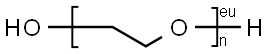
- 25322-68-3
- (C2H4O)nH2O
- 0
- All (65)
- China (33)
- (65)
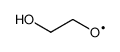
- 28287-76-5
- C2H5O2
- 61.05990
- All (65)
- China (33)
- (65)

- 1192130-70-3
- C20H40O4
- 344.52900
- All (0)
- China (0)
- (0)

- 9004-81-3
- (C2H4O)nC12H24O2
- 0
- All (10)
- China (1)
- (10)

- 9004-96-0
- (C2H4O)nC18H34O2
- 0
- All (18)
- China (8)
- (18)

- 106-11-6
- C22H44O4
- 372.58
- All (9)
- China (9)
- (9)
- 859308-25-1
- C2H9NO5S
- 159.16200
- All (0)
- China (0)
- (0)
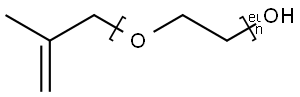
- 31497-33-3
- (C2H4O)nC4H8O
- 0
- All (0)
- China (0)
- (0)
- 1216424-91-7
- C6H16O3
- 136.18900
- All (0)
- China (0)
- (0)

- 9005-00-9
- C20H42O2
- 314.54628
- All (0)
- China (0)
- (0)
Related Products More >

- 25322-68-3
- Request For Quotation
- 9004-96-0
- Request For Quotation
- 50
- 9004-96-0
- Request For Quotation
- 200kg
- 117786-94-4
- Request For Quotation
- 25g
- 117786-94-4
- Request For Quotation
- 5g
- 117786-94-4
- Request For Quotation
- 1kg
- 117786-94-4
- Request For Quotation
- 100g
- 117786-94-4
- Request For Quotation
- 1g


Antifreezes containing PEG are typically specialized products designed for niche industries. These include food-grade formulations used in beverage or dairy processing to prevent contamination, pharmaceutical-grade solutions for medical equipment, and environmentally friendly variants for aquatic or outdoor settings. PEG’s advantages in antifreeze formulations include its low toxicity, which makes it suitable for use in food processing, medical environments, and areas near water sources, as well as its better biodegradability compared to some alternatives. However, PEG also has drawbacks, such as higher cost than ethylene glycol, reduced freezing point depression in extremely cold conditions, and increased viscosity that can affect heat transfer efficiency and fluid flow in certain systems. Proper concentration control is essential to balance its antifreeze properties with system performance.
The way polyethylene glycol functions as an antifreeze agent is similar to other glycol-based compounds in that it lowers the freezing point of water through the principle of freezing point depression. When mixed with water, polyethylene glycol disrupts the formation of ice crystals by interfering with the hydrogen bonding network between water molecules. This allows the solution to remain liquid at temperatures below the normal freezing point of pure water. The effectiveness of this process depends on the molecular weight of the polyethylene glycol used, with different molecular weights providing varying degrees of freezing point depression.
Specialized antifreeze products that may contain polyethylene glycol include food-grade heat transfer fluids, pharmaceutical processing coolants, and certain industrial cooling systems where human contact or environmental exposure is a concern. These applications typically require antifreeze materials that are non-toxic and have minimal environmental impact. In some cases, polyethylene glycol is used in solar thermal systems where leakage into the environment must be minimized. The specific type of polyethylene glycol employed depends on the required operating temperature range and the desired viscosity characteristics of the final product.
Using polyethylene glycol in antifreeze formulations presents both advantages and disadvantages. One significant benefit is its low toxicity compared to ethylene glycol, which is highly poisonous even in relatively small quantities. This makes polyethylene glycol-containing products much safer for use in situations where accidental exposure could occur. Additionally, polyethylene glycol generally exhibits better environmental compatibility, with many formulations being biodegradable to some extent. The material also tends to be less corrosive to common metals used in cooling systems when properly formulated.
However, there are notable drawbacks to using polyethylene glycol as an antifreeze agent. Its higher viscosity compared to ethylene glycol can impede flow through cooling systems, potentially reducing heat transfer efficiency. This means that higher concentrations are often required to achieve the same level of freeze protection, which can further increase viscosity and pumping requirements. The cost of polyethylene glycol is generally higher than that of ethylene glycol, making it less economical for widespread use in mass-produced automotive coolants. Additionally, the performance characteristics of polyethylene glycol can vary significantly depending on its molecular weight, requiring careful selection and formulation to achieve optimal results in specific applications.
Compared to ethylene glycol, PEG stands out for its low toxicity—critical in contexts where ingestion risks exist, like food processing or pharmaceutical equipment. Ethylene glycol is highly effective but poses severe health hazards if mishandled, while PEG’s polymer structure makes it biocompatible. However, PEG has higher viscosity, which can impact fluid flow in systems, and its larger molecular size may require higher concentrations to achieve the same freezing point depression as ethylene glycol.
Antifreeze formulations containing PEG are typically specialized, such as those designed for non-toxic environments, biological labs, or cosmetic products. Some industrial coolants for sensitive machinery also use PEG to avoid ethylene glycol’s toxicity.
PEG's non-toxicity and biodegradability offer significant advantages over ethylene glycol, which is highly toxic and poses environmental risks upon disposal. In specialized antifreeze applications, PEG is increasingly utilized. For instance, in the biomedical sector, PEG-based antifreeze solutions are employed for cryopreservation of biological tissues and organs. The low toxicity of PEG ensures that delicate biological materials are not compromised by toxic substances. Additionally, in food processing industries, PEG can be used in cooling systems to prevent contamination of food products. These applications highlight the growing recognition of PEG's benefits in scenarios where traditional ethylene glycol antifreeze would pose unacceptable risks.
The use of PEG in antifreeze formulations presents a trade-off between effectiveness and safety. While it is less toxic and more environmentally friendly, PEG's higher viscosity and lower freezing point depression efficiency per unit volume necessitate careful consideration of its concentration. In industrial settings, this means that systems using PEG may require more frequent maintenance and higher energy inputs to maintain optimal performance. However, the reduced health and environmental risks associated with PEG make it a valuable alternative in specific applications. As industries continue to prioritize sustainability and safety, PEG's role in antifreeze formulations is likely to expand, driven by its unique balance of properties that address critical concerns in modern industrial and biomedical practices. This shift underscores the importance of reevaluating traditional practices to incorporate safer and more sustainable alternatives, even if they come with certain operational challenges.