


 Home
Home
Hi, I'd like to ask—how does polyethylene glycol affect the human body when ingested? What's its role in medications like laxatives or colon prep drugs? Does polyethylene glycol get absorbed into the bloodstream, or pass through the digestive system? Are there long-term effects of repeated use? What groups of people should avoid polyethylene glycol, and why? And can polyethylene glycol cause allergic reactions in some individuals? Thanks!
What Does Polyethylene Glycol Do to the Body? Medical & Risks Explained
Related Encyclopedia
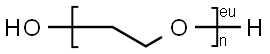
- 25322-68-3
- (C2H4O)nH2O
- 0
- All (65)
- China (33)
- (65)
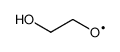
- 28287-76-5
- C2H5O2
- 61.05990
- All (65)
- China (33)
- (65)

- 1192130-70-3
- C20H40O4
- 344.52900
- All (0)
- China (0)
- (0)

- 9004-81-3
- (C2H4O)nC12H24O2
- 0
- All (10)
- China (1)
- (10)

- 9004-96-0
- (C2H4O)nC18H34O2
- 0
- All (18)
- China (8)
- (18)

- 106-11-6
- C22H44O4
- 372.58
- All (9)
- China (9)
- (9)
- 859308-25-1
- C2H9NO5S
- 159.16200
- All (0)
- China (0)
- (0)
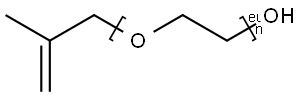
- 31497-33-3
- (C2H4O)nC4H8O
- 0
- All (0)
- China (0)
- (0)
- 1216424-91-7
- C6H16O3
- 136.18900
- All (0)
- China (0)
- (0)

- 9005-00-9
- C20H42O2
- 314.54628
- All (0)
- China (0)
- (0)
Related Products More >

- 25322-68-3
- Request For Quotation
- 9004-96-0
- Request For Quotation
- 50
- 9004-96-0
- Request For Quotation
- 200kg
- 117786-94-4
- Request For Quotation
- 25g
- 117786-94-4
- Request For Quotation
- 5g
- 117786-94-4
- Request For Quotation
- 1kg
- 117786-94-4
- Request For Quotation
- 100g
- 117786-94-4
- Request For Quotation
- 1g


Due to its large molecular size and hydrophilic nature, PEG is not significantly absorbed into the bloodstream. Instead, it passes through the digestive system intact, exerting local effects without entering systemic circulation. This characteristic ensures that its impact remains confined to the gastrointestinal tract, minimizing risks of systemic side effects. The compound is eliminated through feces, making it a targeted solution for intestinal needs.
Short-term repeated use of PEG is generally considered safe, but long-term effects lack extensive research. Prolonged use may potentially lead to dependency on laxatives or disrupt the natural rhythm of bowel function, though severe complications are rare when used as directed. High-dose formulations, especially those for colon prep, can pose risks of electrolyte imbalances, though modern products often include electrolytes to mitigate this.
Individuals with intestinal obstructions should avoid PEG, as increased fluid volume may worsen blockages. Those with known hypersensitivity to PEG, renal impairment, or severe bowel disorders should also exercise caution. Allergic reactions, though uncommon, can occur, manifesting as skin rashes, itching, or respiratory issues, requiring immediate discontinuation and medical attention.
In medications, PEG serves dual roles depending on its molecular weight. Low-molecular-weight variants such as PEG 400 function as solvents or excipients in oral drugs, topical creams, and suppositories due to their ability to mix with both water and lipids. Higher-molecular-weight PEGs like PEG 3350 are specifically designed for gastrointestinal applications, where their large molecular size prevents systemic absorption while effectively hydrating stools. Colon preparation solutions combine PEG 3350 with electrolytes to maintain fluid balance, reducing risks of dehydration or electrolyte imbalances compared to older phosphate-based preparations. This makes PEG particularly valuable for patients requiring thorough bowel cleansing before medical procedures.
Absorption and elimination studies confirm that orally ingested PEG 3350 remains largely unabsorbed, with over 90% excreted intact in feces. Trace amounts may appear in urine, especially at high doses, but these levels rarely reach pharmacologically significant concentrations in healthy individuals. This minimal systemic absorption contributes to PEG's excellent safety profile, even with repeated or long-term use. Clinical trials have not demonstrated significant adverse effects in chronic constipation patients, though elderly individuals or those with kidney disease may require monitoring for potential electrolyte disturbances. The lack of absorption also means PEG doesn't interact with liver enzymes or produce metabolites, further reducing risks of systemic toxicity.
Certain populations should exercise caution when using PEG products. Patients with inflammatory bowel disease, bowel obstructions, or severe dehydration should avoid PEG unless prescribed under medical supervision, as the osmotic effects could worsen their conditions. Individuals with impaired kidney function may need close monitoring due to theoretical risks of electrolyte imbalances, though such cases remain rare when hydration guidelines are followed. Infants and young children require precise dosing to prevent fluid shifts or electrolyte abnormalities, necessitating pediatric formulations and healthcare provider oversight.
Allergic reactions to PEG are uncommon but documented, particularly in individuals sensitive to polyethylene glycol derivatives found in medications, cosmetics, or vaccines. Symptoms range from mild skin rashes to severe anaphylaxis. The increasing prevalence of PEG in pharmaceutical excipients has heightened awareness of potential hypersensitivity, prompting some manufacturers to develop alternative formulations for sensitive patients. Anyone with a history of reactions to PEG-containing products should inform healthcare providers to avoid accidental exposure, particularly before medical procedures involving contrast agents or vaccines.
In the context of colon preparations, PEG solutions are effective in cleansing the colon prior to procedures like colonoscopies. The osmotic effect of PEG helps to evacuate the bowel by increasing water retention in the intestines, ensuring a thorough cleaning without significant systemic absorption. This property is crucial for its use in medical settings, as it minimizes the risk of adverse effects related to systemic exposure.
While PEG is generally considered safe for short-term use, long-term or excessive use may pose some risks. In rare cases, prolonged use has been associated with electrolyte imbalances and metabolic acidosis, particularly in individuals with compromised renal function. The kidneys play a key role in excreting PEG, so patients with kidney impairments should use PEG-containing products with caution.
Certain populations should avoid PEG or use it with careful consideration. Individuals with known allergies to PEG or related compounds should refrain from using PEG-containing medications due to the risk of allergic reactions. These reactions can range from mild skin irritation to more severe anaphylactic responses. Additionally, patients with gastrointestinal obstructions or those who are unable to adequately hydrate themselves should avoid PEG, as it relies on sufficient water intake to function effectively.
Allergic reactions to PEG are a concern, especially with higher molecular weight forms. Sensitization can occur through various routes, including skin exposure or ingestion. Healthcare providers should be vigilant about potential allergies, particularly in patients with a history of adverse reactions to PEG or related chemicals. Overall, while PEG is a valuable component in many pharmaceutical applications, its use should be carefully managed to minimize potential risks.
My textbook explained that repeated PEG use is generally safe if directed, but overuse might affect electrolyte balance, though that’s rare. People with intestinal blockages should avoid it because PEG increases intestinal volume, while allergies—though uncommon—could cause swelling or breathing issues. I remember a lab discussion where we talked about PEG’s inertness making it ideal for meds, but we also noted how important it is to check for contraindications, especially in those with GI conditions. It’s cool to see how molecular structure ties to its safe use in medicine.