


 Home
Home
Hi, I'd like to ask—can dogs safely take polyethylene glycol? Are there different safety levels for oral vs. topical use? What dosage is considered toxic for dogs? Do small breeds have higher risks than large ones? What side effects like diarrhea or vomiting should I watch for? And are there natural alternatives to polyethylene glycol for dogs? Thanks!
Is Polyethylene Glycol Safe for Dogs? What Vets Need to Know
Related Encyclopedia
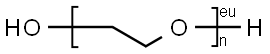
- 25322-68-3
- (C2H4O)nH2O
- 0
- All (65)
- China (33)
- (65)
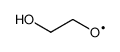
- 28287-76-5
- C2H5O2
- 61.05990
- All (65)
- China (33)
- (65)

- 1192130-70-3
- C20H40O4
- 344.52900
- All (0)
- China (0)
- (0)

- 9004-81-3
- (C2H4O)nC12H24O2
- 0
- All (10)
- China (1)
- (10)

- 9004-96-0
- (C2H4O)nC18H34O2
- 0
- All (18)
- China (8)
- (18)

- 106-11-6
- C22H44O4
- 372.58
- All (9)
- China (9)
- (9)
- 859308-25-1
- C2H9NO5S
- 159.16200
- All (0)
- China (0)
- (0)
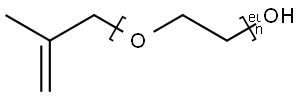
- 31497-33-3
- (C2H4O)nC4H8O
- 0
- All (0)
- China (0)
- (0)
- 1216424-91-7
- C6H16O3
- 136.18900
- All (0)
- China (0)
- (0)

- 9005-00-9
- C20H42O2
- 314.54628
- All (0)
- China (0)
- (0)
Related Products More >

- 25322-68-3
- Request For Quotation
- 9004-96-0
- Request For Quotation
- 50
- 9004-96-0
- Request For Quotation
- 200kg
- 117786-94-4
- Request For Quotation
- 25g
- 117786-94-4
- Request For Quotation
- 5g
- 117786-94-4
- Request For Quotation
- 1kg
- 117786-94-4
- Request For Quotation
- 100g
- 117786-94-4
- Request For Quotation
- 1g


Toxicity in dogs often stems from excessive doses, leading to severe diarrhea, dehydration, or electrolyte issues. While specific toxic thresholds vary by PEG type and dog weight, a general rule is to avoid exceeding 1 gram per kilogram of body weight daily without vet advice. Small breeds are more at risk because their lower body mass makes them more susceptible to overdoses—even minor excesses can cause serious side effects faster than in larger dogs.
Monitor for side effects such as prolonged diarrhea, vomiting, lethargy, or loss of appetite, which may signal dehydration or electrolyte imbalances needing immediate vet care. Natural alternatives like pumpkin puree, probiotics, or increased water intake can help regulate bowel movements. However, always consult a veterinarian before using these, as they must suit the dog’s condition and not interfere with other treatments. Proper veterinary supervision is key to safe PEG use in dogs.
However, the safety profile of PEG in dogs can vary depending on the route of administration. Oral use is generally well-tolerated, but topical applications may not be as extensively studied or recommended for dogs. The primary concern with PEG in dogs is dosage. Excessive amounts can lead to gastrointestinal distress, including diarrhea and vomiting. These side effects are typically dose-dependent and can be more pronounced in smaller breeds due to their lower body weight and potentially higher relative dosages. For example, a small dog may experience more severe gastrointestinal symptoms from an overdose of PEG compared to a larger dog.
When considering the toxicity of PEG, it is important to note that there is no universally accepted threshold for toxicity in dogs. However, veterinarians generally advise caution and recommend starting with lower doses to assess tolerance. Monitoring for side effects such as diarrhea, vomiting, or abdominal discomfort is crucial. If these symptoms occur, it is advisable to discontinue use and consult a veterinarian.
In addition to PEG, there are natural alternatives that can be considered for constipation relief in dogs. Dietary fiber supplements, such as psyllium husk or pumpkin puree, can help soften stools and promote regular bowel movements. These natural alternatives are often preferred by pet owners who seek more holistic approaches to their pets' health. However, it is important to note that any new treatment, whether synthetic or natural, should be discussed with a veterinarian to ensure it is appropriate for the individual dog's health needs.
Overall, the use of PEG in dogs requires careful consideration of dosage and potential side effects. While it can be an effective treatment for constipation, alternative options are available for those who prefer natural remedies.
Its water resistance and durability make it useful in packaging fragile items, sports equipment padding, and construction insulation. Some types use cross-linking to enhance strength. In international trade, it’s exported for industries needing lightweight, protective materials. Production involves physical or chemical foaming agents, and its versatility drives demand across global markets. Understanding its structure and uses helps in appreciating its role in both chemical engineering and trade dynamics.
The safety margin between therapeutic and toxic amounts is relatively small in canines A typical human dose of Miralax contains about 17 grams of PEG 3350 which could prove dangerously excessive for most dogs Toxicity thresholds vary based on body weight but doses exceeding 0.5 grams per kilogram of body weight may cause adverse effects For example a 20 pound dog weighing approximately 9 kilograms could experience problems after ingesting just 4.5 grams of PEG 3350 This means even a partial human dose could potentially overdose a small or medium-sized canine
Route of administration plays a crucial role in determining safety Topical PEG products such as skin creams or ointments generally pose minimal risk because the compound isn t easily absorbed through healthy skin However dogs with compromised skin barriers or open wounds may absorb enough to cause systemic effects Ingested PEG carries far greater risks due to direct exposure to the digestive system and potential absorption into the bloodstream
Small breed dogs face higher vulnerability compared to larger breeds because of their lower body weight and higher metabolic rates A dose that might cause mild gastrointestinal upset in a German shepherd could lead to severe dehydration or electrolyte disturbances in a Yorkshire terrier Puppies senior dogs and animals with kidney or heart conditions are particularly susceptible since their bodies struggle to regulate fluid balance and eliminate excess substances
Common side effects of oral PEG in dogs include diarrhea vomiting increased thirst and lethargy More serious symptoms like tremors seizures or bloody stools indicate potential electrolyte imbalances or intestinal damage Owners should monitor their pets closely for signs of dehydration such as dry gums sunken eyes and reduced urine output
Natural alternatives exist for managing canine constipation that may carry fewer risks than PEG Dietary fiber supplements like canned pumpkin puree provide soluble fiber to soften stool without disrupting electrolyte levels Probiotics can help maintain healthy gut flora while increased water consumption and regular exercise promote natural bowel movements For chronic cases veterinarians might recommend prescription medications specifically formulated for canine physiology which offer better safety profiles than human products