


 Home
Home
Hello, I’m wondering—where can I safely buy cocoa butter for cooking? Does the label need to say “food-grade”? Are there brands or forms I should avoid for health reasons?
Where Can I Buy Cocoa Butter for Cooking and Ensure It’s Safe for Health Use?
Related Encyclopedia
- 917499-66-2
- C58H116N8O4
- 989.59300
- All (0)
- China (0)
- (0)
- 917499-67-3
- C56H112N8O4
- 961.54000
- All (0)
- China (0)
- (0)

- 112-80-1
- C18H34O2
- 282.46
- All (141)
- China (22)
- (141)
- 141903-93-7
- C17H35N
- 253.46600
- All (141)
- China (22)
- (141)

- 57-11-4
- C18H36O2
- 284.48
- All (393)
- China (51)
- (393)

- 85404-83-7
- C18H36O2
- 568.95000
- All (393)
- China (51)
- (393)
- 2190-14-9
- C57H104O6
- 885.43200
- All (0)
- China (0)
- (0)
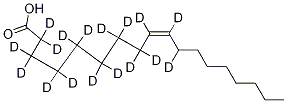
- 223487-44-3
- C18H17D17O2
- 300
- All (0)
- China (0)
- (0)
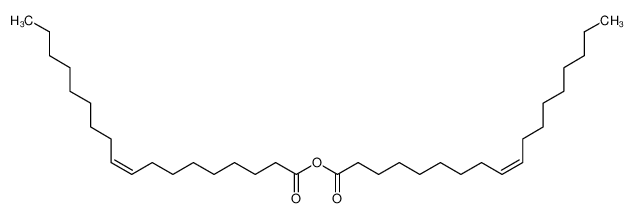
- 6085-36-5
- C36H66O3
- 546.90700
- All (0)
- China (0)
- (0)
- 123727-15-1
- C18H35DO2
- 285.48300
- All (0)
- China (0)
- (0)
Related Products More >

- 60-33-3
- USD 30.0000
- 25kg
- CAS 57-11-4
- USD 800.0000
- 25kg
- 57-11-4
- USD 12.0000
- 25kg
- 991-84-4
- Request For Quotation
- 991-84-4
- Request For Quotation
- 96-69-5
- Request For Quotation
- 947-19-3
- Request For Quotation
- 93-83-4
- Request For Quotation
- 25kg/drum


Cocoa butter is rich in saturated fats, primarily stearic, palmitic, and oleic acids. These fatty acids are solid at room temperature due to their long carbon chains and relatively straight structure, contributing to the butter's stability and shelf life. When ingested in moderation, these fats can provide energy and help with the absorption of fat-soluble vitamins (A, D, E, K). Unlike trans fats, which negatively impact cholesterol levels, cocoa butter's stearic acid is considered neutral in its effects on LDL ("bad") cholesterol.
However, consistent overuse of saturated fats in cooking—regardless of their source—can still increase the risk of cardiovascular disease in some populations. Additionally, highly processed or deodorized cocoa butter may contain trace residual solvents or lose its natural antioxidants, which are beneficial in unrefined forms. Patients with lipid disorders, metabolic syndrome, or gallbladder issues should consult a healthcare provider before making cocoa butter a regular cooking fat.
For most people, using food-grade, organic, cold-pressed cocoa butter as an occasional replacement for butter or shortening in baking and sautéing is considered safe. A good practice is to combine it with unsaturated oils such as olive or avocado oil, which offer cardioprotective benefits. For those concerned about saturated fat intake, pure coconut oil or ghee might serve as alternative cooking fats with similar melting properties, but each also comes with its own dietary considerations.
To ensure safety and quality, look for cocoa butter labeled: USDA organic, non-deodorized, cold-pressed, and food-grade. Avoid products meant for skin care only, as they may not meet ingestion safety standards.
First, common sources: Grocery stores (check baking aisles near chocolate chips or oils) often carry refined cocoa butter, which is mild and works well for melting into recipes. Health food stores (like Whole Foods) or online shops (Amazon, Etsy) stock unrefined versions, which have a stronger chocolate flavor—great for desserts where you want that rich taste. Specialty baking stores may offer organic or fair-trade options, though they’re pricier.
What affects your choice? Refined cocoa butter is odorless and neutral-tasting, perfect for recipes where you don’t want chocolate to overpower (like buttery cookies). Unrefined has a distinct chocolatey aroma, ideal for fudge, truffles, or homemade chocolate bars. If you’re on a budget, grocery store brands are affordable; if you prioritize sustainability, look for fair-trade labels, which ensure ethical sourcing.
Common myths? Myth 1: “Cocoa butter for skin works for cooking.” Skincare versions may have additives (fragrances, preservatives) that aren’t safe to eat—always check labels for “food-grade.” Myth 2: “All cocoa butter is the same for baking.” Unrefined can seize (clump up) if overheated, while refined is more stable—important for candy making!
Family-friendly tips:
Start small: Grab a 4-ounce block from the grocery store to test—great for adding creaminess to smoothies or oatmeal without extra sugar.
Store wisely: Keep it in an airtight container in the pantry (it lasts 2–3 years!) or fridge if your kitchen is warm—no need to freeze.
Mix it up: Melt a tablespoon into melted chocolate for glossier truffles, or swirl a bit into homemade ice cream for a silkier texture.
At the molecular level, cocoa butter consists mostly of triglycerides, which are esters formed from one molecule of glycerol and three fatty acid chains—commonly stearic acid, palmitic acid, and oleic acid. These fatty acids contain long hydrocarbon chains attached to carboxyl groups, making the molecule non-polar overall, although the ester groups themselves are slightly polar.
The chemical bonds in cocoa butter include:
Ester bonds, formed through condensation reactions between hydroxyl and carboxyl groups.
Predominantly nonpolar covalent bonds within the hydrocarbon chains.
This structure contributes to its hydrophobicity and poor solubility in water but good solubility in organic solvents.
Cocoa butter is chemically stable due to the presence of saturated fats like stearic and palmitic acid, which resist oxidation. The unsaturated oleic acid, although more reactive, is stabilized in the mixture, giving cocoa butter a long shelf life and high oxidative stability—a crucial property for both food applications and industrial processes.
From a practical standpoint, cocoa butter's melting point (~34–38°C) makes it ideal for applications requiring controlled solid–liquid transitions, such as chocolate tempering or cosmetic emulsions. In the lab, its low reactivity makes it a good model substance when studying ester hydrolysis or lipid extraction techniques.
In daily life, food-grade cocoa butter can be purchased at specialty baking stores, health food shops, or online retailers. It’s essential, however, to differentiate between cosmetic-grade and culinary-grade versions, as only the latter is safe and regulated for ingestion.
Here’s why it’s a kitchen MVP: Imagine making chocolate chip cookies that stay chewy for days. Cocoa butter’s high smoke point (37°C) means it stays stable during baking, so your treats don’t dry out. Plus, it adds that rich, “melt-in-your-mouth” texture—like how a good truffle should feel!
Pro tip: When melting cocoa butter for recipes (like homemade chocolate or frosting), use a double boiler or microwave in 10-second bursts. Overheating can turn it grainy! Start with a small amount (1-2 tbsp) to test how it behaves in your favorite recipes.
Bonus hack: Swap half the butter in your brownie recipe with cocoa butter for a fudgier, more intense chocolate flavor. Your taste buds will thank you! ?✨