


 Home
Home
Hello, I’d like to ask whether cocoa butter is helpful or harmful for treating a sunburn. Can it reduce redness and speed up healing, or is it better to avoid it at first? Are there specific types of cocoa butter that are safer to use on sensitive, sun-damaged skin?
Will Cocoa Butter Help a Sunburn or Make It Worse? Here's What You Should Know
Related Encyclopedia
- 917499-66-2
- C58H116N8O4
- 989.59300
- All (0)
- China (0)
- (0)
- 917499-67-3
- C56H112N8O4
- 961.54000
- All (0)
- China (0)
- (0)

- 112-80-1
- C18H34O2
- 282.46
- All (141)
- China (22)
- (141)
- 141903-93-7
- C17H35N
- 253.46600
- All (141)
- China (22)
- (141)

- 57-11-4
- C18H36O2
- 284.48
- All (393)
- China (51)
- (393)

- 85404-83-7
- C18H36O2
- 568.95000
- All (393)
- China (51)
- (393)
- 2190-14-9
- C57H104O6
- 885.43200
- All (0)
- China (0)
- (0)
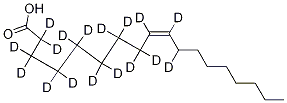
- 223487-44-3
- C18H17D17O2
- 300
- All (0)
- China (0)
- (0)
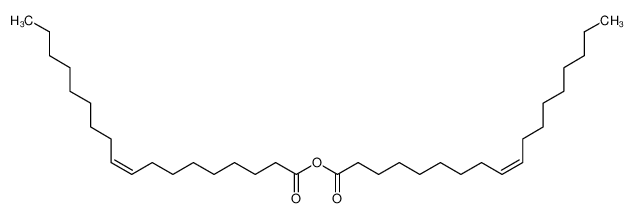
- 6085-36-5
- C36H66O3
- 546.90700
- All (0)
- China (0)
- (0)
- 123727-15-1
- C18H35DO2
- 285.48300
- All (0)
- China (0)
- (0)
Related Products More >

- 60-33-3
- USD 30.0000
- 25kg
- CAS 57-11-4
- USD 800.0000
- 25kg
- 57-11-4
- USD 12.0000
- 25kg
- 93-83-4
- Request For Quotation
- 25kg/drum
- 93-83-4
- Request For Quotation
- Bottle,barrel,cargo,container,etc.
- 93-83-4
- Request For Quotation
- 93-83-4
- Request For Quotation
- 8051-88-5
- Request For Quotation


Cocoa butter, a fat extracted from cocoa beans, is rich in emollient compounds like oleic, palmitic, and stearic acids. These compounds create a protective barrier on the skin, reducing transepidermal water loss and helping maintain hydration—an essential part of managing the dryness and tightness associated with sunburn. However, cocoa butter lacks anti-inflammatory or reparative agents that directly address UV-induced skin damage. Unlike treatments containing aloe vera, hydrocortisone, or panthenol, it does not significantly reduce inflammation or accelerate healing at the cellular level.
From a clinical perspective, applying cocoa butter immediately after a sunburn may actually trap heat in the skin due to its occlusive nature, potentially worsening discomfort. This makes timing important: it may be safer to use cocoa butter only after the initial inflammation (redness, burning) has subsided—typically 24–48 hours post-exposure. Even then, it should be paired with hydration (oral fluids and gentle moisturizers), cooling agents (like cold compresses or aloe vera), and strict sun avoidance.
Patients with sensitive skin or a history of allergic reactions should test cocoa butter on a small area first, as its natural fragrance and phytochemicals may cause irritation. For more severe burns (blistering, peeling, or systemic symptoms), medical treatment is necessary.
Better alternatives for early sunburn care include:
Aloe vera gel (cooling and anti-inflammatory)
Hydrocortisone cream (reduces inflammation)
Ibuprofen (systemic anti-inflammatory)
Moisturizers containing ceramides or hyaluronic acid (restore skin barrier)
If using cocoa butter, ensure it’s 100% pure, unscented, and applied in moderation after the acute phase.
Here’s the science: Sunburn is inflammation + dehydrated skin. Cocoa butter’s fatty acids (like stearic and oleic acid) create a protective layer that locks in moisture, easing tightness and peeling. Think of it like wrapping a burnt toast in a cozy blanket—it won’t fix the toast, but it’ll stop it from crumbling!
But here’s the catch: Cocoa butter isn’t anti-inflammatory (like aloe vera), so it won’t reduce redness or pain fast. It’s best used after the initial burn cools down (e.g., after a cold shower or aloe gel) to restore hydration.
Pro tip: For sunburn relief, layer cocoa butter OVER a lightweight, fragrance-free moisturizer or aloe gel. This prevents the butter from trapping heat against your skin. And always pair it with SPF in the future—prevention is key!
Bonus hack: Keep a small jar of cocoa butter in your beach bag for post-sun skincare routine maintenance, not emergency care. Your skin will stay softer, longer! ☀️?
First, source and timing matter. Pure, unrefined cocoa butter has antioxidants and fatty acids that can moisturize peeling skin after the burn has cooled down. But using it on fresh, blistered sunburn? Bad idea. Its thick texture traps heat and can worsen inflammation, like putting a heavy blanket on a feverish person. Refined cocoa butter (often in lotions) is gentler but still too heavy for raw skin.
Who it’s for makes a difference too. Adults with mild sunburns might find relief once the redness fades, but kids or those with severe burns (blisters, swelling) need lighter options—cocoa butter can irritate tender skin. People with sensitive skin may also react to unrefined versions’ natural scent, which can sting.
Common myths? Myth 1: “It heals sunburn fast.” It moisturizes, but sunburn needs time to repair—no product speeds that up. Myth 2: “It prevents peeling.” Peeling is your skin’s way of healing; cocoa butter can make it less itchy, but it won’t stop it.
Family-friendly tips:
Wait until the burn cools: Use cool compresses or aloe vera first (for the first 24–48 hours) to reduce inflammation.
Apply sparingly later: Once redness fades, warm a tiny bit of pure cocoa butter between fingers and gently smooth over dry areas—avoid broken skin.
Stick to aloe for kids: It’s lighter, cools on contact, and is less likely to irritate.
Cocoa butter works best as a post-sunburn moisturizer, not a treatment. For fresh burns, keep it simple—cool, calm, and let your skin breathe!
Cocoa butter is primarily composed of triglycerides, which are molecules formed by a glycerol backbone attached to three fatty acids. The most common fatty acids in cocoa butter are stearic acid, palmitic acid, and oleic acid. These fatty acids are long-chain hydrocarbons with a carboxylic acid group at one end, and their physical and chemical properties play a crucial role in how cocoa butter behaves on the skin.
Chemically, these fatty acids contain both polar (hydrophilic) carboxyl groups and nonpolar (hydrophobic) hydrocarbon tails. However, when converted into triglycerides, the overall molecule becomes largely nonpolar, making cocoa butter lipophilic (fat-soluble) and excellent at forming a semi-occlusive barrier on the skin. This barrier helps reduce transepidermal water loss (TEWL), which is especially beneficial for damaged or sunburned skin that is dehydrated.
The bonds present in cocoa butter are mostly covalent bonds, with a mix of saturated (single bonds only, e.g., stearic and palmitic acids) and monounsaturated (one double bond, e.g., oleic acid) fatty acid chains. The presence of these bonds determines the melting point, texture, and oxidative stability of the butter. For example, saturated fats tend to be more stable and have a higher melting point, making cocoa butter solid at room temperature but melt easily at body temperature.
Cocoa butter is chemically stable, with a long shelf life due to its low content of polyunsaturated fats, which are more prone to oxidation. However, it doesn't contain significant amounts of anti-inflammatory or UV-blocking compounds. So, while it may soothe the skin and provide a protective layer, it does not reverse the underlying inflammation or cellular damage caused by ultraviolet (UV) radiation.