


 Home
Home
Hello, I’d like to ask a few questions about tattoo aftercare:
Is it safe to use cocoa butter on a new tattoo?
Does it help the skin heal faster?
Could it potentially clog pores or lead to infection?
When is the appropriate time to start using it during the healing process?
Are there any products that are more commonly recommended than cocoa butter?
Thank you!
Is Cocoa Butter Good for a Tattoo? What You Should Know Before Applying It?
Related Encyclopedia
- 8002-31-1
- 0
- All (10)
- China (6)
- (10)
- 917499-66-2
- C58H116N8O4
- 989.59300
- All (0)
- China (0)
- (0)
- 917499-67-3
- C56H112N8O4
- 961.54000
- All (0)
- China (0)
- (0)

- 112-80-1
- C18H34O2
- 282.46
- All (141)
- China (22)
- (141)
- 141903-93-7
- C17H35N
- 253.46600
- All (141)
- China (22)
- (141)

- 57-11-4
- C18H36O2
- 284.48
- All (393)
- China (51)
- (393)

- 85404-83-7
- C18H36O2
- 568.95000
- All (393)
- China (51)
- (393)
- 2190-14-9
- C57H104O6
- 885.43200
- All (0)
- China (0)
- (0)
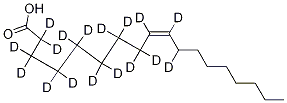
- 223487-44-3
- C18H17D17O2
- 300
- All (0)
- China (0)
- (0)
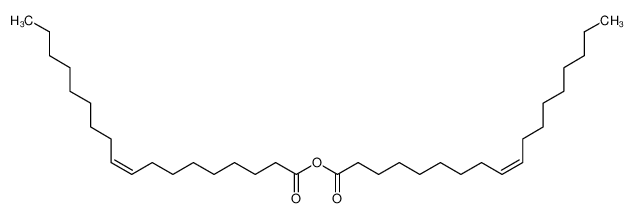
- 6085-36-5
- C36H66O3
- 546.90700
- All (0)
- China (0)
- (0)
Related Products More >

- 60-33-3
- USD 30.0000
- 25kg
- CAS 57-11-4
- USD 800.0000
- 25kg
- 57-11-4
- USD 12.0000
- 25kg
- 93-83-4
- Request For Quotation
- 25kg/drum
- 93-83-4
- Request For Quotation
- Bottle,barrel,cargo,container,etc.
- 93-83-4
- Request For Quotation
- 93-83-4
- Request For Quotation
- 8051-88-5
- Request For Quotation


When a tattoo is freshly done, the skin is essentially wounded—it undergoes an inflammatory process, then tissue regeneration, and finally remodeling. Cocoa butter, derived from the seeds of the cacao plant, is rich in fatty acids like oleic, palmitic, and stearic acids, which create an occlusive barrier on the skin. This helps lock in moisture, reducing transepidermal water loss and potentially easing the dryness and itchiness that occur during healing.
However, cocoa butter lacks antibacterial or antiseptic properties. Using it too early, especially during the first few days post-tattoo, may trap bacteria or excess plasma under the occlusive layer, potentially increasing the risk of infection or delayed healing. From a dermatological perspective, highly comedogenic substances like cocoa butter may also clog pores or cause minor allergic reactions in sensitive individuals.
In clinical settings, most dermatologists and tattoo professionals recommend using fragrance-free, hypoallergenic, water-based ointments such as petrolatum or specialized tattoo balms during the initial healing phase (typically the first 3–5 days). Once the tattoo begins to flake or peel, cocoa butter may be introduced gradually to support skin hydration and reduce scarring.
For optimal skin care, always do a patch test before full application. If you experience redness, swelling, or discomfort, discontinue use and consult a dermatologist.
Think of your new tattoo like a fresh graffiti mural on a wall. Right after it’s done, the “paint” (ink) needs to settle into the “wall” (skin) without interference. Cocoa butter is like a protective sealant—but you wouldn’t slather sealant on wet paint! Wait until the tattoo is fully healed (no scabs, no oozing), then use cocoa butter to lock in moisture and prevent fading. ?️?
Quick fix: Once your tattoo is healed (usually 2-4 weeks post-ink), massage a pea-sized amount of pure cocoa butter into the area daily. Look for unrefined, fragrance-free versions to avoid irritation. This keeps the skin supple and the ink looking sharp, like polishing a favorite leather jacket! ??
Why it works: Cocoa butter’s fatty acids create a barrier that protects against dryness and cracking (which can distort tattoo lines). Its antioxidants also fight free radicals that fade colors over time. For fresh tattoos, stick to a dermatologist-recommended ointment (like Aquaphor) until healing is done.
First, source matters. Pure, unprocessed cocoa butter is safer than versions with added ingredients like fragrances, preservatives, or essential oils—these can irritate a dog’s sensitive skin. How you apply it counts too: A thin layer on dry paws might be okay, but slathering it on large areas can make fur greasy, trap dirt, or clog pores.
Dog differences play a role, too. Puppies or dogs with skin conditions (like allergies or hot spots) are more likely to react. Breeds with thick fur (think Golden Retrievers) may get matting from the oil, while short-haired dogs might just end up with sticky skin.
Common myths? Myth 1: “It’s natural, so it’s always safe.” Natural doesn’t equal dog-friendly—many plants are natural but toxic! Myth 2: “It works as well for dogs as it does for humans.” Dogs’ skin has a different pH balance, so what hydrates us can upset theirs.
Family-friendly tips:
Stick to dog-specific products (like paw balms) designed for their skin and safe if licked.
If you use cocoa butter, test a tiny spot on their paw first. Wait 24 hours—no redness? Then a thin layer is okay, but wipe excess off to prevent licking.
For dry paws, try a warm cloth wipe followed by a dog-safe balm. It’s gentler and less messy than cocoa butter.
Cocoa butter is composed primarily of triglycerides, which are esters formed from glycerol and three fatty acids. The key fatty acids present are stearic acid, palmitic acid, and oleic acid. These molecules are long-chain hydrocarbons with both saturated and monounsaturated bonds, meaning the structure includes single and double covalent bonds. The double bonds in oleic acid introduce kinks in the molecule, which contribute to cocoa butter’s semi-solid texture at room temperature.
These fatty acids are mostly non-polar, which explains why cocoa butter is hydrophobic — it repels water and doesn't dissolve in it. This property gives it occlusive behavior on the skin, meaning it forms a barrier that helps retain moisture. While this can be helpful for dry skin, it may also trap bacteria or impede airflow if used too early on a fresh tattoo, potentially slowing healing.
From a chemical stability perspective, cocoa butter is relatively stable due to its saturated fat content, which resists oxidation better than oils high in polyunsaturated fats. However, over time or in poor storage conditions (like exposure to light or high temperatures), cocoa butter can undergo rancidification, a chemical process that produces unpleasant-smelling byproducts.
In terms of industrial application, cocoa butter is widely used in cosmetics and skincare formulations because of its melting point near body temperature (~34–38°C), giving it a smooth and comforting feel when applied to the skin.
To connect this with tattoo aftercare: a product formulated with non-comedogenic, breathable, and antimicrobial ingredients may be more beneficial than pure cocoa butter. Specialized tattoo balms are often chemically engineered to promote healing without clogging pores.