


 Home
Home
Many people wonder about the safety of using epoxy resin, especially around heat or open flames. Is it something that can catch fire easily, or is it generally safe to handle in everyday projects? Could heating or burning it release dangerous fumes? People often ask if they need to take extra precautions when using epoxy in home crafts, repairs, or even art projects. How flammable is epoxy resin really, and what should you watch out for while working with it?
Is Epoxy Resin Flammable? What You Should Know Before Using It
Related Encyclopedia
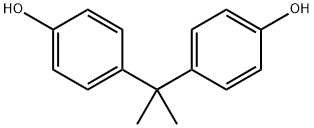
- 80-05-7
- C15H16O2
- 228.29
- All (98)
- China (5)
- (98)
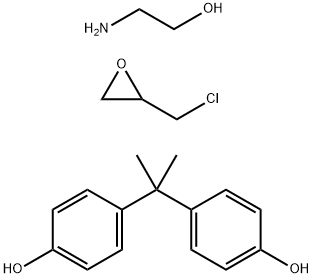
- 38891-59-7
- C20H28ClNO4
- 381.9
- All (2)
- China (0)
- (2)
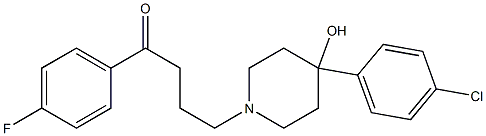
- 61788-97-4
- C21H23ClFNO2
- 375.8642232
- All (1)
- China (0)
- (1)
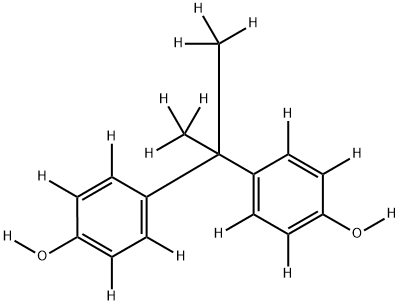
- 96210-87-6
- C15H16O2
- 228.29
- All (0)
- China (0)
- (0)
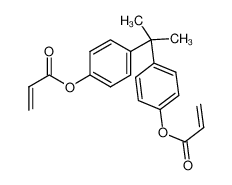
- 4491-03-6
- C21H20O4
- 336.38100
- All (0)
- China (0)
- (0)
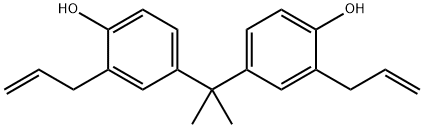
- 1745-89-7
- C21H24O2
- 308.41
- All (1)
- China (0)
- (1)

- 37353-75-6
- C21H28O4
- 344.44
- All (3)
- China (3)
- (3)
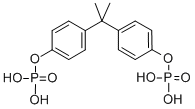
- 181028-79-5
- C15H18O8P2
- 388.25
- All (2)
- China (0)
- (2)
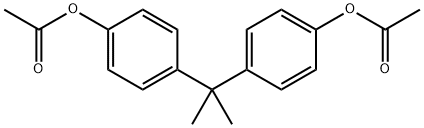
- 10192-62-8
- C19H20O4
- 312.36
- All (1)
- China (0)
- (1)
- 3253-39-2
- C23H24O4
- 364.43
- All (1)
- China (0)
- (1)
Related Products More >

- 9003-55-8
- CNY Request For Quotation
- CNY Request For Quotation
- CNY Request For Quotation
- CNY Request For Quotation


Once the epoxy undergoes the exothermic chemical reaction of curing and transforms into a solid polymer, its properties change dramatically. The cross-linked molecular structure of the fully cured plastic is highly stable and inert. This final solid state is generally classified as non-flammable; it will not readily catch fire under normal conditions. It may char or decompose when subjected to extremely high temperatures from a direct and sustained flame, but it will not support combustion on its own. This fundamental shift underscores the critical importance of handling the material correctly according to its state.
The practical implications of this duality are significant for any workshop or production environment. For instance, a craftsman pouring a large river table must ensure excellent ventilation to disperse flammable vapors away from any potential ignition sources like pilot lights or electrical equipment. A contrasting example is the use of cured epoxy as a protective, heat-resistant coating on electronic circuit boards, where its inert solid form provides electrical insulation and safeguards components. Adherence to manufacturer guidelines for storage, mixing, and application is therefore not a suggestion but an essential safety protocol to mitigate the hazards associated with the liquid phase.
From a practical perspective, epoxy resin is widely used in construction, electronics, marine applications, and artistic work due to its mechanical strength, chemical resistance, and relative thermal stability. In industrial and laboratory settings, precautions are generally focused on the handling of the uncured material, ensuring proper ventilation and minimizing exposure to sparks or open flames. During curing, the resin undergoes exothermic reactions, which can locally increase temperature and, in rare cases, lead to ignition if large volumes are improperly managed. Understanding these behaviors allows users to safely incorporate epoxy into applications without undue risk, while also taking advantage of its ability to form durable, flame-resistant coatings and composites.
Epoxy’s flammability characteristics also intersect with material science and safety engineering. Its low combustibility in cured form has enabled applications in electronics encapsulation, aerospace composites, and protective coatings, where fire resistance is critical. The balance between molecular cross-linking, thermal degradation pathways, and potential emission of volatile byproducts under heat is essential for predicting performance in both everyday and specialized contexts. Recognizing how these chemical and physical properties influence real-world safety helps designers and users optimize the use of epoxy in a broad range of environments.
Unlike some polymers such as polyethylene or polystyrene, which are highly flammable and melt or drip when heated, cured epoxy resin typically chars rather than igniting easily. The char layer acts as a barrier, slowing further heat penetration and reducing the risk of sustained combustion. It is important to note, however, that uncured epoxy resin—especially the liquid components before mixing with hardeners—may have different properties. Some uncured resins or their solvents might be more flammable, as they can vaporize at lower temperatures, but this changes once the curing reaction is complete. This distinction matters in manufacturing environments, where handling uncured materials requires different safety protocols than working with the final cured product.
Even with its non-flammable nature, cured epoxy resin is not entirely immune to extreme heat. At very high temperatures, beyond 300°C in many cases, it can begin to decompose, releasing small amounts of smoke or toxic fumes, though this does not equate to flammability in the traditional sense. This thermal stability makes it suitable for use in environments where occasional heat exposure is expected, such as in automotive underhood components or aerospace coatings. Understanding these nuances helps professionals avoid overestimating or underestimating the material’s performance, ensuring it is used appropriately in contexts where fire safety is a priority.