


 Home
Home
Hi, I'd like to ask—can polyethylene glycol be taken safely for a long time? What side effects might occur from long-term use? Are there differences in safety between pharmaceutical-grade and daily-use polyethylene glycol? How should I adjust the dosage to avoid health risks? Are there any groups of people who should avoid long-term use? Thanks!
Is Long-Term Use of Polyethylene Glycol Safe for the Body?
Related Encyclopedia

- 25322-68-3
- (C2H4O)nH2O
- 0
- All (65)
- China (33)
- (65)
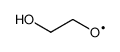
- 28287-76-5
- C2H5O2
- 61.05990
- All (65)
- China (33)
- (65)

- 1192130-70-3
- C20H40O4
- 344.52900
- All (0)
- China (0)
- (0)

- 9004-81-3
- (C2H4O)nC12H24O2
- 0
- All (10)
- China (1)
- (10)

- 9004-96-0
- (C2H4O)nC18H34O2
- 0
- All (18)
- China (8)
- (18)

- 106-11-6
- C22H44O4
- 372.58
- All (9)
- China (9)
- (9)
- 859308-25-1
- C2H9NO5S
- 159.16200
- All (0)
- China (0)
- (0)

- 31497-33-3
- (C2H4O)nC4H8O
- 0
- All (0)
- China (0)
- (0)
- 1216424-91-7
- C6H16O3
- 136.18900
- All (0)
- China (0)
- (0)

- 9005-00-9
- C20H42O2
- 314.54628
- All (0)
- China (0)
- (0)
Related Products More >

- 25322-68-3
- Request For Quotation
- 9004-96-0
- Request For Quotation
- 50
- 9004-96-0
- Request For Quotation
- 200kg
- 117786-94-4
- Request For Quotation
- 25g
- 117786-94-4
- Request For Quotation
- 5g
- 117786-94-4
- Request For Quotation
- 1kg
- 117786-94-4
- Request For Quotation
- 100g
- 117786-94-4
- Request For Quotation
- 1g


The safety difference between pharmaceutical and daily-use PEG stems from their intended use and concentration. Pharmaceutical-grade PEG is formulated at higher doses to act as an osmotic laxative, disrupting bowel habits if used long-term without medical supervision. Daily-use PEG, however, serves as a stabilizer or humectant in low concentrations, posing fewer systemic risks. Overuse of any PEG product—medicinal or otherwise—may exacerbate side effects.
To avoid health risks, follow dosage guidelines strictly: for pharmaceutical PEG, consult a healthcare provider to determine the appropriate duration and dose, especially to prevent dehydration. For daily-use products, check ingredient lists and discontinue use if irritation occurs. Groups to avoid long-term PEG use include individuals with kidney problems, severe allergies to PEG, or those experiencing unexplained abdominal pain. Pregnant or breastfeeding people should also seek medical advice before using pharmaceutical PEG, as its long-term effects on these populations aren’t fully studied. Regular monitoring by a healthcare professional can help balance efficacy with safety during prolonged use.
However, the potential for side effects cannot be overlooked. Long-term ingestion of PEG can lead to gastrointestinal disturbances such as diarrhea, abdominal pain, and bloating. These symptoms are typically mild and transient but can be more pronounced in some individuals. More serious adverse effects, though rare, may include electrolyte imbalances and dehydration, particularly if large doses are consumed over extended periods. It is important to note that the incidence and severity of these side effects can vary based on factors such as dosage, individual health status, and duration of use.
When considering the differences between pharmaceutical-grade and daily-use PEG, it is crucial to recognize the regulatory frameworks that govern their production and use. Pharmaceutical-grade PEG undergoes rigorous testing to ensure it meets high standards of purity and safety. This is essential for its intended use in medical applications where the margin for error is minimal. In contrast, PEG used in non-pharmaceutical products may not be subject to the same level of scrutiny. While these products are generally safe for their intended uses, they may contain additives or impurities that could potentially affect safety when used inappropriately or over long periods.
Adjusting the dosage of PEG to mitigate health risks is a matter of balancing therapeutic benefit with potential adverse effects. In medical settings, healthcare providers carefully titrate the dose based on individual patient needs and responses. For instance, patients experiencing gastrointestinal discomfort may benefit from a reduced dose or a change in the timing of administration. It is also important to consider the cumulative effects of PEG when it is used in multiple products, such as in combination with over-the-counter medications or in certain food products.
The safety of long term PEG use depends largely on the grade and purity of the product Pharmaceutical grade PEG is highly purified and undergoes rigorous testing to ensure it meets strict safety standards making it suitable for internal use In contrast industrial grade PEG which may be found in cosmetics or cleaning products can contain impurities such as ethylene oxide or 1 4 dioxane which are potentially harmful even at low levels Therefore the difference in safety between pharmaceutical grade and daily use industrial grade PEG is significant with the former being much safer for internal consumption
Long term use of PEG particularly in laxative form may lead to certain side effects While most people tolerate it well some individuals may experience gastrointestinal discomfort including bloating gas cramping or diarrhea Prolonged use can also result in electrolyte imbalances especially if fluid intake is not adequately maintained This is particularly concerning for individuals with kidney problems or those taking medications that affect electrolyte levels Another potential issue is the impact on gut microbiota though research in this area is still limited and not fully conclusive
Dosage adjustments are crucial to minimizing risks When using PEG as a laxative the typical adult dose is around 17 to 34 grams per day dissolved in water Exceeding this amount can increase the risk of dehydration and electrolyte disturbances It is important to follow the recommended dosage and not use PEG as a long term solution without medical advice For individuals with chronic constipation addressing the root cause through diet exercise and adequate hydration is preferable to relying solely on laxatives
Certain groups of people should avoid or be cautious about long term PEG use Pregnant or breastfeeding women should consult a healthcare provider before using PEG products as safety data in these populations is limited Patients with inflammatory bowel disease bowel obstruction or severe dehydration should avoid PEG unless explicitly prescribed by a doctor Additionally children require age appropriate formulations and dosing to prevent accidental overdose or adverse effects
In trade practices, exporters need to comply with importing countries’ health and safety regulations. For instance, the EU’s REACH regulation requires detailed chemical safety data, while the US FDA has specific guidelines for pharmaceutical ingredients. This complexity highlights how chemistry knowledge intersects with trade logistics. As someone interested in both fields, I find it fascinating how molecular properties influence global supply chains—ensuring that products meet safety standards while navigating international trade laws is a delicate balance.