


 Home
Home
Everyone talks about collagen being important for skin, joints, and hair, but do we really need to take pills or powders to get it? Are there natural ways to help our bodies make more collagen on their own? What foods or habits actually support collagen production without needing extra supplements?
How Do You Get Collagen Naturally Without Supplements?
Related Encyclopedia
- 9007-34-5
- 0
- All (14)
- China (1)
- (14)
- 9064-67-9
- C4H6N2O3R2.(C7H9N2O2R)n
- 0
- All (14)
- China (1)
- (14)
- 92113-31-0
- CO(NH2)2,Fe+++
- 0
- All (3)
- China (0)
- (3)
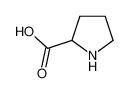
- 29795-82-2
- C5H9NO2
- 115.13000
- All (19)
- China (0)
- (19)
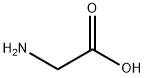
- 56-40-6
- C2H5NO2
- 75.07
- All (308)
- China (62)
- (308)
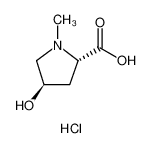
- 89771-43-7
- C6H12ClNO3
- 181.61700
- All (0)
- China (0)
- (0)
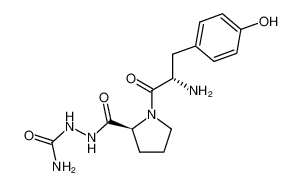
- 284038-41-1
- C15H21N5O4
- 335.35800
- All (0)
- China (0)
- (0)
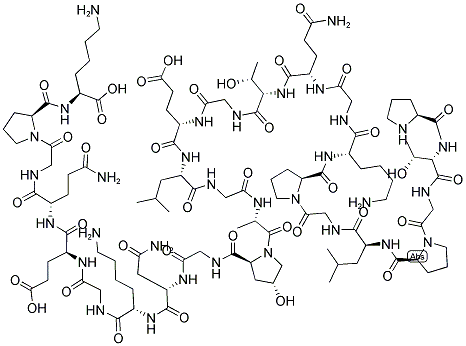
- 144703-90-2
- C106H174N32O37
- 2488.71
- All (0)
- China (0)
- (0)
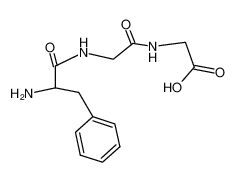
- 51163-51-0
- C13H17N3O4
- 279.29200
- All (0)
- China (0)
- (0)
- 284038-40-0
- C17H23N5O5
- 377.39500
- All (0)
- China (0)
- (0)
Related Products More >

- 147-85-5
- CNY Request For Quotation
- 147-85-4
- CNY Request For Quotation
- 147-85-3
- CNY Request For Quotation
- CNY Request For Quotation
- CNY Request For Quotation
- CNY Request For Quotation
- 107-43-7
- CNY Request For Quotation
- 107-43-7
- CNY Request For Quotation


Also, things like getting enough sleep, staying hydrated, not smoking, and protecting your skin from too much sun can make a big difference in keeping collagen levels healthy. You don’t need to go overboard—just eating a balanced diet and taking care of your body can really help.
So no, you don’t need fancy products—your body knows what to do, as long as you give it the right tools.
Endogenously, collagen production is influenced by age, hormonal balance, nutrient availability, and lifestyle factors. With aging, the fibroblasts in connective tissues become less efficient at producing collagen, and external stressors such as UV radiation, smoking, and poor nutrition further accelerate degradation. Natural collagen synthesis can be supported by consuming collagen-rich foods such as animal skin, bone broth, and gelatin, as well as foods that promote synthesis—citrus fruits (for vitamin C), zinc-containing nuts and seeds, and protein sources rich in glycine and proline.
Beyond its biological functions, collagen holds interdisciplinary relevance. In medicine, it is widely used in wound healing, tissue engineering, and cosmetic surgery due to its biocompatibility and biodegradability. Industrial applications include its use in biodegradable films, food additives (like gelatin), and even in pharmaceuticals as a delivery vehicle for drugs. Physically, collagen exhibits unique viscoelastic properties that make it ideal for applications requiring both tensile strength and flexibility.
Understanding natural collagen synthesis bridges fields such as biochemistry, dermatology, nutrition, and materials science. The broader significance lies in its potential to inform interventions in aging, chronic disease management, and regenerative medicine. Supporting the body’s natural collagen production isn't just a matter of appearance—it is deeply tied to physiological resilience and long-term structural health.
Beyond diet, certain lifestyle practices can enhance collagen production. For example, protecting the skin from excessive UV exposure prevents collagen breakdown, while regular exercise stimulates collagen synthesis in tendons and muscles. Additionally, compounds like hyaluronic acid and antioxidants found in foods like berries, garlic, and soy can further support collagen maintenance. A practical example is the traditional use of bone broth in many cultures, which is rich in gelatin—a cooked form of collagen—and has been linked to improved skin elasticity and joint health. By combining these dietary and behavioral strategies, it’s possible to naturally sustain collagen levels and mitigate age-related degradation.
Vitamin C is another key player, as it aids in converting proline to hydroxyproline, a step critical for stabilizing collagen fibers. Citrus fruits, bell peppers, and strawberries are excellent sources of this vitamin; including them in meals alongside protein-rich foods enhances the body’s ability to assemble functional collagen. Additionally, foods with zinc and copper, such as nuts and seeds, support enzymes involved in collagen cross-linking, which strengthens connective tissues.
Beyond diet, lifestyle factors influence collagen health. Regular exercise, particularly resistance training, stimulates fibroblasts to produce more collagen by creating minor stress on tendons and bones, prompting a repair response that increases protein synthesis. Adequate sleep is also vital, as growth hormone released during deep sleep promotes collagen production. Conversely, excessive sun exposure breaks down collagen through UV-induced free radicals, while smoking reduces blood flow to the skin, limiting nutrient delivery to collagen-producing cells. By combining nutrient-dense foods with these lifestyle practices, the body can maintain and even boost collagen levels naturally, supporting overall tissue health and resilience.