


 Home
Home
Hello, I want to ask about how aging affects the results of plastic surgery. What are the risks involved, and are there safer alternatives for older patients? Also, how can one improve healing after surgery as they get older?
What happens to plastic surgery when you get old, and how can patients adapt their care to optimize outcomes?
Related Encyclopedia
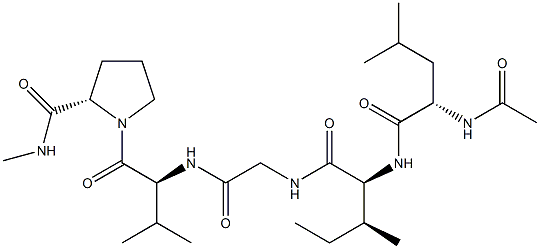
- 9007-58-3
- C27H48N6O6
- 552.70662
- All (0)
- China (0)
- (0)
- 9007-34-5
- 0
- All (14)
- China (1)
- (14)
- 9064-67-9
- C4H6N2O3R2.(C7H9N2O2R)n
- 0
- All (14)
- China (1)
- (14)

- 313642-01-2
- C111H166N26O33S2
- 2456.79
- All (1)
- China (0)
- (1)
- 92113-31-0
- CO(NH2)2,Fe+++
- 0
- All (3)
- China (0)
- (3)
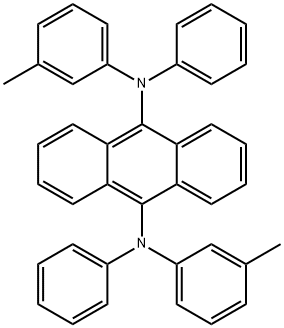
- 189263-81-8
- C40H32N2
- 540.7
- All (0)
- China (0)
- (0)
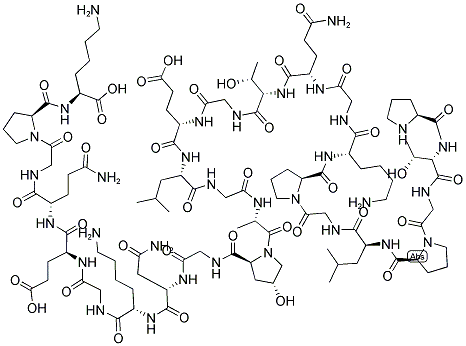
- 144703-90-2
- C106H174N32O37
- 2488.71
- All (0)
- China (0)
- (0)
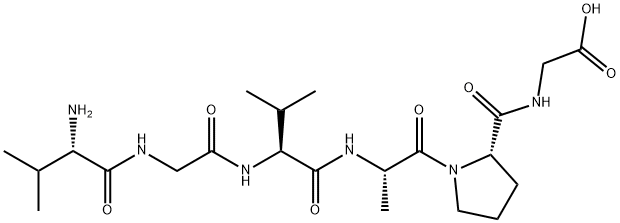
- 92899-39-3
- C22H38N6O7
- 498.57
- All (0)
- China (0)
- (0)
Related Products More >

- 92113-31-0
- Request For Quotation
- 25kg/Cardboard Drum
- 92113-31-0
- Request For Quotation
- 1g,50g,100g,1000g
- 92113-31-0
- Request For Quotation
- 92113-31-0
- Request For Quotation
- 25kg/drum
- 92113-31-0
- Request For Quotation
- 92113-31-0
- Request For Quotation
- 92113-31-0
- Request For Quotation
- 92113-31-0
- Request For Quotation
- 100g;1kg;25g


As we grow older, our skin loses collagen and elastin, which are crucial proteins responsible for skin strength and flexibility. This decline affects how the body responds to surgical procedures, often slowing healing and increasing the risk of complications such as scarring or prolonged inflammation. Moreover, aging affects blood circulation, which can reduce nutrient delivery to tissues, further impacting recovery. These physiological changes can alter the long-term results of plastic surgery, sometimes leading to less durable or natural-looking outcomes compared to younger patients.
Clinically, older patients may face higher risks during surgery, such as increased chances of infection or slower wound healing. It is important for healthcare providers to evaluate overall health, including factors like cardiovascular status and immune function, before recommending surgery. For patients, adopting healthier lifestyles—such as balanced nutrition, regular exercise, avoiding smoking, and protecting skin from sun damage—can help improve surgical outcomes and recovery speed.
Alternative or complementary treatments, like non-invasive skin tightening or injectable fillers, may be safer options for some older adults, providing aesthetic improvements without the same risks associated with surgery. Regular follow-ups and proper post-operative care are critical to managing aging effects and maintaining results over time.
Think of it like painting a house: a fresh coat looks amazing, but after years of sun and rain, it fades a bit. The structure’s still solid, but it needs a touch-up eventually. Surgery gives you a "refresh," but aging is a ongoing process that keeps going.
If you’ve had work done, keeping skin healthy (sunscreen, moisturizer, staying hydrated) can help results last longer. And remember—aging gracefully is normal! Even with surgery, embracing the small changes over time is part of the journey.
First, natural aging doesn’t “undo” plastic surgery, but it can alter results. For example, a facelift tightens sagging skin, but gravity and collagen loss will still cause new wrinkles or jowls over decades. Similarly, breast implants don’t prevent breasts from losing volume or drooping with age—especially after pregnancy, weight changes, or menopause. The key is understanding that surgery offers a “reset,” not a permanent freeze-frame. For families, this means discussing realistic timelines: A facelift might last 10–15 years, while fillers typically need touch-ups every 6–18 months.
Your lifestyle and genetics play a huge role. Smoking, sun exposure, poor nutrition, or yo-yo dieting can speed up aging, making surgical results fade faster. For instance, a nonsmoker who wears sunscreen daily will likely maintain a facelift’s effects longer than someone who tans heavily. Genetics matter too—if your mom’s skin stayed firm into her 60s, yours might too, regardless of surgery.
A common误区 (Chinese for “misconception”) is thinking plastic surgery can stop aging entirely. Even the most skilled surgeon can’t halt gravity or bone loss (which causes hollowed cheeks or a weaker jawline). Another myth? That “getting more work done” is the only fix. Over-surgeries can lead to unnatural results, like puffy faces or distorted features. Instead, many doctors recommend combining surgery with nonsurgical treatments (like lasers or Botox) as you age to refresh results gently.
For family-friendly advice, keep it simple:
Prioritize skin health: No matter your age, a daily moisturizer with SPF 30+ and a retinoid (if approved by your doctor) can prolong surgical results by boosting collagen.
Schedule maintenance, not makeovers: If you’ve had implants or a lift, ask your surgeon about follow-up timelines. For example, breast implants may need replacement after 10–20 years, depending on type and health.
Embrace natural changes: Aging gracefully doesn’t mean fighting every line. If you or a loved one feels pressured to “keep up” with surgeres, talk openly about body image and self-esteem—confidence often matters more than perfection.
Stay active and eat well: Exercise improves circulation (which keeps skin glowing), and a balanced diet supports healing and tissue health.
By viewing plastic surgery as a chapter in your life’s story—not the final word—your family can approach aging with confidence and practicality. After all, feeling good in your skin is a lifelong journey!
As we age, the production of collagen and elastin decreases, and existing fibers undergo chemical modifications such as glycation, where sugar molecules bind covalently to proteins, making them stiffer and less flexible. This reduces the skin’s polarity and overall stability, leading to wrinkles, sagging, and slower healing after surgical procedures. Additionally, aging skin has less water content, decreasing its polarity and affecting cell function, which impacts the ability of the skin to recover and maintain plastic surgery results.
From a chemical reaction standpoint, the slower metabolic and enzymatic activity in older tissues means that wound healing involves a reduced inflammatory response and collagen synthesis, which can prolong recovery times. The stability of surgical implants or fillers may also be affected by these biological changes, potentially causing them to degrade or shift more quickly than in younger individuals.
In industrial and medical applications, understanding these molecular and structural changes helps in designing better surgical materials and post-operative treatments, such as using bio-compatible polymers or growth factors to enhance tissue regeneration.
Considering these factors, how might advancements in biomaterials or chemical treatments improve the longevity and effectiveness of plastic surgery in aging skin?