


 Home
Home
I recently noticed methyl cellulose in a food ingredient list and wonder what it’s made from. Is it derived from plants, or does it involve synthetic processes? I know "cellulose" comes from plant cell walls, but how does methyl cellulose get its name—does it involve adding methyl groups? What types of plants are used as the starting material? Is it typically sourced from wood pulp, cotton, or another plant-based source? Does the production process involve chemicals, and are there any environmental or health considerations? How does methyl cellulose differ from other cellulose derivatives like carboxymethyl cellulose (CMC), and is it considered vegan or vegetarian? Can you explain the step-by-step process of converting plant cellulose into methyl cellulose and its common uses in food, pharmaceuticals, or cosmetics?
Curious About Methyl Cellulose:What Is Methyl Cellulose Made From?
Related Encyclopedia
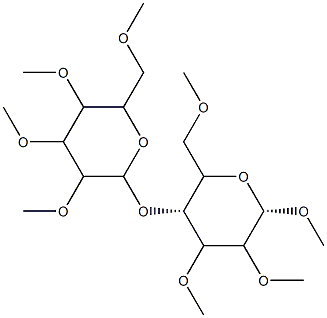
- 9004-67-5
- C20H38O11
- 454.50912
- All (19)
- China (0)
- (19)

- 9004-65-3
- C3H7O*
- 59.08708
- All (92)
- China (48)
- (92)
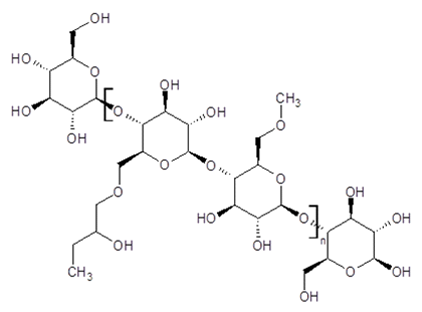
- 9041-56-9
- 0.00000
- All (1)
- China (1)
- (1)

- 9004-64-2
- C3H7O*
- 59.08708
- All (22)
- China (9)
- (22)
- 9004-62-0
- C29H52O21
- 0
- All (59)
- China (31)
- (59)
- 9004-57-3
- C23H24N6O4
- 448.47446
- All (21)
- China (2)
- (21)
- 9013-34-7
- C20H23NO5
- 0
- All (4)
- China (4)
- (4)
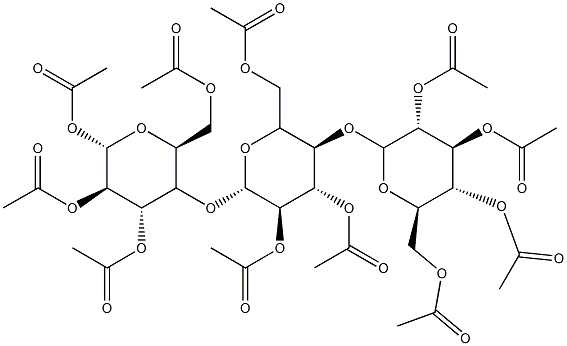
- 9012-09-3
- C40H54O27
- 966.84056
- All (3)
- China (0)
- (3)

- 9004-41-5
- C6H8N2O
- 124.14052
- All (1)
- China (1)
- (1)
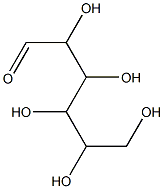
- 9000-11-7
- C6H12O6
- 180.15588
- All (100)
- China (21)
- (100)
Related Products More >

- CNY Request For Quotation
- CNY Request For Quotation
- CNY Request For Quotation
- 9004-62-0
- Request For Quotation
- 9004-62-0
- Request For Quotation
- 9004-65-3
- Request For Quotation
- 9004-65-3
- USD 361.6000
- 25kg
- 9004-57-3
- USD 580.0000
- 25kg


What Is Methyl Cellulose Made From?
Methyl cellulose (MC) starts with cellulose, the tough structural fiber found in plant cell walls—think wood pulp (especially from pine or spruce trees), cotton linters (the fuzzy fibers from cotton seeds), or even hemp. These plant materials are rich in long chains of glucose molecules (cellulose), which are the raw material.
The "Methyl" Part: How It’s Made
The magic happens in a chemical process called etherification. Here’s a simplified step-by-step:
1. Purify the cellulose: The plant material is treated with strong alkali (like sodium hydroxide) to remove impurities like lignin (in wood) or waxes (in cotton), leaving pure cellulose fibers.
2. Add methyl groups: The purified cellulose is mixed with methyl chloride (a synthetic chemical) under pressure. This reacts with the hydroxyl groups (-OH) on the cellulose chains, replacing some of them with methyl groups (-CH₃). The number of methyl groups added determines MC’s properties (e.g., solubility, thickness).
3. Wash and dry: The product is washed to remove excess chemicals, then dried and ground into a fine powder.
So, while the starting material is plant-based, the methyl groups are added via a synthetic process. This makes MC a semi-synthetic polymer—part natural, part modified through chemistry.
Plant Sources: Wood Pulp, Cotton, or Something Else?
- Wood pulp is the most common source due to its abundance and low cost. Sustainable sources like certified forests are increasingly used to address environmental concerns.
- Cotton linters are a byproduct of cotton farming and yield very pure cellulose, making them ideal for pharmaceutical-grade MC.
- Hemp or bamboo are emerging as eco-friendly alternatives, though less common industrially.
Chemicals in Production: Safety and Environmental Impact
The key chemical used is methyl chloride, which is toxic and flammable. However, in the final product, residual methyl chloride is tightly regulated (especially in food and pharma grades) to ensure it’s below harmful levels. Manufacturers must follow strict safety protocols to minimize environmental release.
Environmental considerations:
- Wood sourcing: Deforestation is a concern, but many producers use recycled wood pulp or certified sustainable forests (like FSC-certified).
- Wastewater: The alkali and solvent waste from production can be treated and recycled, though some facilities still face pollution challenges.
Health considerations:
- Methyl cellulose is generally recognized as safe (GRAS) by the FDA for food use. It’s indigestible (passes through the digestive system unchanged), so it’s often used as a fiber additive or thickener.
- In cosmetics and pharmaceuticals, it’s valued for being non-irritating and hypoallergenic.
Methyl Cellulose vs. Carboxymethyl Cellulose (CMC)
Both are cellulose derivatives, but they have different uses due to their chemical structures:
- Methyl cellulose (MC):
- Hydrophilic (loves water) but forms a gel when heated.
- Used in food as a thickener, emulsifier, or vegan substitute for gelatin (e.g., in plant-based creams).
- In pharma, it’s a laxative (adds bulk to stool) or coating for pills.
- Carboxymethyl cellulose (CMC):
- More water-soluble and forms stable solutions, not gels.
- Used in toothpaste (keeps ingredients mixed), detergents, or as a stabilizer in ice cream.
- Often cheaper than MC, but less heat-sensitive.
The main difference? MC has methyl groups (-CH₃), while CMC has carboxymethyl groups (-CH₂COOH), giving them distinct properties in water and heat.
Is Methyl Cellulose Vegan/Vegetarian?
Yes! Since it’s derived from plants and the methyl chloride used in production is a synthetic chemical (not animal-derived), MC is suitable for vegan and vegetarian diets. It’s often used in vegan baking to improve texture, replace eggs, or add moisture.
Common Uses Across Industries
- Food:
- Thickens soups, sauces, and salad dressings.
- Helps vegan meats retain moisture (e.g., plant-based burgers).
- Used in low-calorie foods as a bulking agent (since it’s indigestible).
- Pharmaceuticals:
- Forms gels for topical creams or eye drops.
- Used in tablets as a binder or disintegrant.
- Treats constipation as a fiber supplement (e.g., Metamucil contains methylcellulose).
- Cosmetics:
- Thickens lotions, shampoos, and face masks.
- Creates a smooth texture in makeup products like foundations.
- Industrial:
- Used in construction as a binder in tile adhesives or drywall joint compounds.
- Helps control dust on roads by binding particles together.
Wrapping It Up
Methyl cellulose is a versatile ingredient that starts with plant cellulose and gets a chemical tweak to make it useful in everything from food to cosmetics. While the production involves synthetic chemicals, the final product is safe, plant-based, and widely used in vegan and vegetarian applications. Next time you see it on a label, you’ll know it’s a plant-powered polymer with a little help from chemistry! Just remember: it’s not fully "natural," but it’s a well-regulated workhorse in many everyday products.
Source material:
It starts with cellulose, the tough stuff in plant cell walls. Most methyl cellulose is made from wood pulp (think pine or spruce) or cotton linters (short cotton fibers left after ginning). Both are abundant, renewable, and cheap. No synthetic chemicals here—just plant matter.
Why “methyl”?
The name comes from the chemical modification: cellulose’s hydroxyl (-OH) groups get replaced with methyl groups (-CH₃). This tweak makes the cellulose dissolve in cold water (unlike raw cellulose, which doesn’t). It’s like adding a waterproof jacket to a sponge—now it swells in water instead of repelling it.
Production process:
Extract cellulose: Wood pulp or cotton is treated with chemicals (like sodium hydroxide) to break it down into pure cellulose.
React with methyl chloride: In a controlled environment, cellulose is mixed with methyl chloride and a base catalyst. The methyl groups attach to the cellulose chains.
Purify and dry: The gooey result is washed, dried, and ground into a fine powder.
Chemicals are used, but the process is tightly regulated to avoid residues. Modern methods prioritize eco-friendly solvents.
Environmental/health notes:
Vegan/vegetarian: Yes—it’s 100% plant-derived, with no animal products.
Safety: FDA-approved and non-toxic. It passes through your gut unchanged (no calories, no digestion).
Eco-impact: Sustainable if sourced from responsibly managed forests. Waste from production is minimal, and biodegradability is high.
Methyl cellulose vs. CMC:
Both are cellulose derivatives but differ in chemistry and use:
Methyl cellulose: Thickens in cold water, gels when heated. Used in ice cream (smooth texture), baked goods (moisture retention), or eye drops (lubricant).
Carboxymethyl cellulose (CMC): More water-soluble, even at high temps. Common in gluten-free baking, toothpaste, or laundry detergents.
Common uses:
Food: Thickener, emulsifier, or binder. Keeps vegan “cheese” melty or prevents ice crystals in sorbet.
Pharma: Tablet coatings, sustained-release drug delivery.
Cosmetics: Thickens shampoos or stabilizes creams.
Construction: Used in eco-friendly paints or adhesives.
Step-by-step in simple terms:
Imagine cellulose as a long string of beads. Methyl groups are like tiny magnets that attach to the beads, changing how the string behaves in water. The more magnets, the more the string swells and thickens the liquid.
Bottom line:
Methyl cellulose is a plant-powered workhorse, safe for vegans and the planet. Its ability to transform texture in food, medicine, or makeup makes it a hidden hero of modern products. Next time you see it on a label, you’ll know—it’s just science giving plants a superpower.
The source material is usually wood or cotton byproducts, making it technically vegan (no animal ingredients), though some strict vegans might question the chemical processing. The production involves synthetic steps, but the end product is non-toxic and widely considered safe by regulators (FDA, EFSA).
Compared to cousins like carboxymethyl cellulose (CMC), methyl cellulose has unique properties: it gels when heated (unlike CMC, which thickens but stays liquid), making it ideal for vegan cheeses or baked goods. In food, it acts as a thickener or binder (think ice cream or gluten-free bread). Pharma and cosmetics use it for pill coatings or creamy lotions, where smooth texture matters.
Environmental impact? The chemicals used raise some concerns, but the amounts in final products are minimal. Health-wise, it’s indigestible fiber, so it’s harmless unless consumed in huge quantities (which might cause bloating).
Bottom line: Methyl cellulose is plant origin but lab-modified. It’s a versatile, vegan-friendly tool for food and beyond—just don’t confuse it with "whole" plant ingredients.