


 Home
Home
Hi, I'd like to ask—Are collagen chews safe for dogs to eat daily? Do Glycine and Proline in these chews have any adverse effects on dogs with sensitive digestion? Can dogs with kidney issues consume collagen chews? What should I do if my dog eats too many collagen chews accidentally? Thanks!
Are collagen chews safe for dogs of all ages, including puppies and senior dogs?
Related Encyclopedia
- 85490-53-5
- C120H194N36O34
- 2685.09
- All (0)
- China (0)
- (0)
- 9007-34-5
- 0
- All (14)
- China (1)
- (14)
- 9064-67-9
- C4H6N2O3R2.(C7H9N2O2R)n
- 0
- All (14)
- China (1)
- (14)
- 92113-31-0
- CO(NH2)2,Fe+++
- 0
- All (3)
- China (0)
- (3)
- 29795-82-2
- C5H9NO2
- 115.13000
- All (19)
- China (0)
- (19)
- 56-40-6
- C2H5NO2
- 75.07
- All (308)
- China (62)
- (308)
- 89771-43-7
- C6H12ClNO3
- 181.61700
- All (0)
- China (0)
- (0)
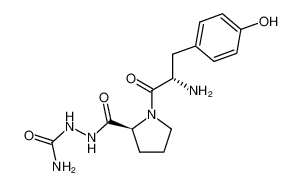
- 284038-41-1
- C15H21N5O4
- 335.35800
- All (0)
- China (0)
- (0)
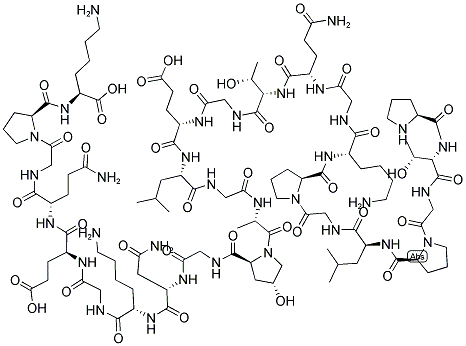
- 144703-90-2
- C106H174N32O37
- 2488.71
- All (0)
- China (0)
- (0)
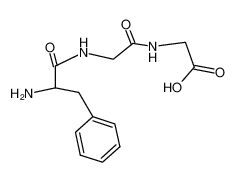
- 51163-51-0
- C13H17N3O4
- 279.29200
- All (0)
- China (0)
- (0)
Related Products More >

- 147-85-5
- CNY Request For Quotation
- 147-85-4
- CNY Request For Quotation
- 147-85-3
- CNY Request For Quotation
- CNY Request For Quotation
- CNY Request For Quotation
- CNY Request For Quotation
- 107-43-7
- CNY Request For Quotation
- 107-43-7
- CNY Request For Quotation


Dogs with kidney problems require special attention. Collagen is a protein, and dogs with impaired kidney function often need a diet low in protein to minimize the buildup of waste products that the kidneys must filter. Excess collagen can increase the workload on already compromised kidneys, potentially exacerbating their condition. It is crucial to consult a veterinarian before introducing collagen chews to such dogs, as individual kidney health varies significantly.
If a dog accidentally ingests too many collagen chews, closely monitor for symptoms like lethargy, increased thirst or urination, vomiting, or diarrhea. These signs may indicate digestive distress or, in rare cases, imbalances in electrolytes. Contact a veterinarian immediately for guidance; they may recommend specific steps such as inducing vomiting within a safe timeframe or providing supportive care like administering fluids to prevent dehydration. Always seek professional advice rather than trying unproven home remedies, especially for dogs with pre-existing health conditions.
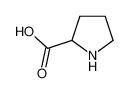
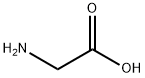
The amino acids glycine and proline, which are primary components of collagen, play crucial roles in joint health, skin elasticity, and connective tissue repair. For most dogs, these amino acids are well-tolerated and even beneficial. However, dogs with sensitive digestive systems may experience mild gastrointestinal discomfort, such as gas, bloating, or diarrhea, particularly if introduced to collagen chews abruptly or in excessive amounts. Gradually introducing the chews and monitoring the dog’s reaction can help mitigate adverse effects. In rare cases, dogs with food sensitivities or allergies to certain ingredients in the chew (such as additives or flavorings) may develop more severe reactions, necessitating discontinuation and veterinary consultation.
For dogs with kidney issues, collagen chews should be approached with caution. While collagen itself is not inherently harmful to the kidneys, excessive protein intake—particularly from supplements—can strain renal function over time. Dogs with chronic kidney disease (CKD) often require a carefully managed diet to avoid exacerbating their condition. The additional protein from collagen chews might contribute to an unnecessary protein load, potentially worsening kidney function. A veterinarian should evaluate whether collagen supplementation is appropriate for a dog with kidney problems, as individual dietary needs vary significantly.
If a dog accidentally consumes too many collagen chews, the immediate concern is potential digestive distress or obstruction, especially if the chews are large or indigestible. Symptoms such as vomiting, diarrhea, lethargy, or abdominal pain warrant prompt veterinary attention. In cases of suspected obstruction, emergency care may be necessary. To prevent accidental overconsumption, owners should store chews securely out of the dog’s reach and adhere to recommended portion sizes. Supervising the dog while they chew can also reduce the risk of rapid ingestion.
Ultimately, while collagen chews can offer joint and skin benefits for dogs, their safety hinges on responsible usage. Regular veterinary check-ups and open communication with a professional ensure that any supplementation aligns with the dog’s specific health requirements.
Glycine and proline, the primary amino acids here, are generally okay. But for dogs with sensitive stomachs, excess amounts might trigger loose stools. Their digestive systems, which process proteins differently than ours, can get overwhelmed, leading to temporary discomfort.
For dogs with kidney problems, there’s more to consider. Kidneys handle waste from amino acid breakdown, so extra glycine or proline could add strain. I’ve read that consulting a vet first is a must here—you don’t want to aggravate existing issues.
If your dog eats too many by accident, watch for vomiting or lethargy. Offer small sips of water and call the vet right away. They might suggest steps to ease digestion, like limiting food temporarily, based on how much was consumed.
A relevant case study involves a commercial collagen chew product marketed for joint health in senior dogs. The product's formulation included hydrolyzed collagen sourced from bovine hide, processed to meet AAFCO (Association of American Feed Control Officials) standards. However, veterinary reports noted increased urinary output in dogs with chronic kidney disease after prolonged consumption, suggesting impaired nitrogen metabolism. This highlights the need for species-specific formulation adjustments, particularly regarding protein load and mineral content.
To mitigate adverse effects, manufacturers should implement rigorous quality control measures, including heavy metal testing and microbial contamination screening, as required by FDA's Center for Veterinary Medicine regulations. For dogs with renal impairment, alternative supplements with lower protein bioavailability, such as glucosamine-chondroitin complexes, may be preferable. In cases of accidental overconsumption, immediate veterinary intervention is advised to monitor for symptoms of amino acid imbalance, including vomiting or electrolyte disturbances.
The global pet supplement market's growth has led to increased scrutiny over ingredient sourcing and labeling compliance. Exporters must ensure their products meet destination country regulations, such as the EU's Feed Additives Regulation (EC) No 1831/2003, which mandates detailed compositional analysis. Educational initiatives for pet owners should emphasize portion control and veterinary consultation, particularly for breeds predisposed to renal disorders. Recent studies on collagen peptide absorption kinetics suggest that hydrolyzed forms may reduce renal workload compared to intact collagen, offering a potential solution for sensitive animals.