


 Home
Home
Hi, I'd like to ask—Which natural foods are the best sources to build collagen in the body? Can drinking green tea help build collagen naturally? What role does zinc play in naturally building collagen? Are there any herbal teas that support collagen production? How does cooking method affect the collagen content in natural foods? Thanks!
How to build collagen naturally through whole foods and herbal remedies?
Related Encyclopedia
- 9007-34-5
- 0
- All (14)
- China (1)
- (14)
- 9064-67-9
- C4H6N2O3R2.(C7H9N2O2R)n
- 0
- All (14)
- China (1)
- (14)
- 92113-31-0
- CO(NH2)2,Fe+++
- 0
- All (3)
- China (0)
- (3)
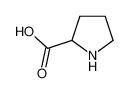
- 29795-82-2
- C5H9NO2
- 115.13000
- All (19)
- China (0)
- (19)

- 7440-66-6
- Zn
- 65.39
- All (7)
- China (5)
- (7)
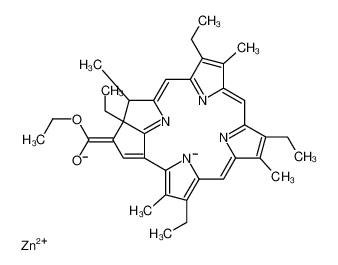
- 113031-38-2
- C37H42N4O2Zn
- 640.14498
- All (0)
- China (0)
- (0)
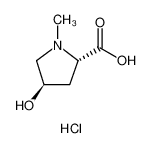
- 89771-43-7
- C6H12ClNO3
- 181.61700
- All (0)
- China (0)
- (0)
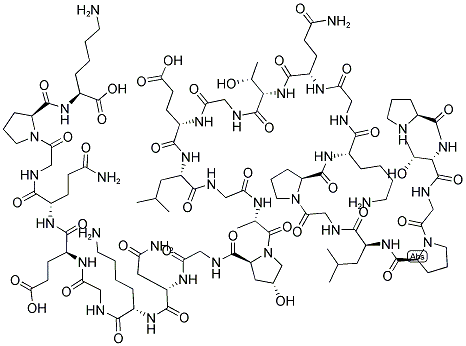
- 144703-90-2
- C106H174N32O37
- 2488.71
- All (0)
- China (0)
- (0)
- 1160708-87-1
- C8H16N2O
- 156.22500
- All (0)
- China (0)
- (0)
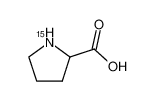
- 96450-73-6
- C5H9NO2
- 116.12400
- All (0)
- China (0)
- (0)
Related Products More >
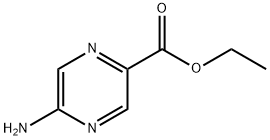
- 13927-77-0
- CNY Request For Quotation
- 3030-80-6
- CNY Request For Quotation
- 6990-43-8
- CNY Request For Quotation
- 155-04-4
- CNY Request For Quotation
- 36190-62-2 Zinc diisobutyldithiocarbamate
- CNY Request For Quotation
- 14634-93-6 Zinc ethylphenyl dithiocarbamate
- CNY Request For Quotation
- 14726-36-4 Zinc dibenzyldithiocarbamate
- CNY Request For Quotation
- 137-30-4 Zinc dimethyldithiocarbamate
- CNY Request For Quotation


Green tea has antioxidants called catechins, which may protect existing collagen from free radical damage. It doesn’t directly build new collagen, but its protective effects can support skin health and preserve collagen structure over time.
Zinc is crucial for collagen synthesis by aiding enzymes that break down and rebuild collagen fibers. It also supports immune function, linked to tissue repair, making it essential for maintaining healthy collagen levels. Good sources of zinc include oysters, nuts, and legumes.
Some herbal teas support collagen production indirectly. Chamomile tea has anti-inflammatory properties that reduce collagen breakdown, while hibiscus tea is rich in vitamin C and antioxidants, aiding collagen formation. Rosehip tea, high in vitamin C, is another option for supporting collagen synthesis.
Cooking methods affect collagen in foods. Slow-cooking meats and bones, as in stews or bone broth, breaks down tough collagen into digestible gelatin, making its amino acids more accessible. Overcooking can reduce nutrients like vitamin C, which is heat-sensitive. High-heat grilling or frying may damage collagen in meats, lowering their value for supporting the body’s collagen needs.
Green tea's contribution to collagen preservation stems from its polyphenolic compounds, particularly EGCG. This antioxidant inhibits matrix metalloproteinases (MMPs), enzymes that degrade collagen fibers. The catechins in green tea thus help maintain collagen levels by preventing enzymatic breakdown while potentially stimulating fibroblast activity. This mechanism explains why green tea consumption correlates with improved skin elasticity in population studies.
Zinc's role in collagen synthesis involves its function as a cofactor for prolyl hydroxylase, the enzyme that stabilizes collagen's triple helix through hydroxylation of proline residues. Without sufficient zinc, this enzymatic process becomes inefficient, leading to structurally weaker collagen fibers. Shellfish, nuts, and legumes serve as zinc-rich foods that support this biochemical pathway, with absorption rates varying based on dietary phytate content - an important consideration in plant-based diets.
Herbal infusions demonstrate how traditional medicine aligns with biochemical principles. Rosehip tea provides vitamin C, essential for hydroxylation reactions in collagen synthesis, while pomegranate extract contains ellagitannins that protect collagen from oxidative damage. Ginger's gingerol compounds exhibit anti-inflammatory effects that may indirectly support collagen maintenance by reducing tissue turnover.
Cooking methods significantly impact collagen availability. Extended simmering of bones converts insoluble collagen into soluble gelatin, increasing bioavailability. Conversely, high-heat methods like grilling can denature collagen proteins, reducing their functional properties. This explains why traditional slow-cooking techniques are more effective for collagen extraction than modern quick-cooking methods. Understanding these chemical transformations provides insight into optimizing collagen intake through food preparation.
Vitamin C-rich foods play a critical role in collagen synthesis. Citrus fruits like oranges, lemons, and grapefruits are well-known sources, but strawberries, kiwis, and bell peppers also provide substantial amounts. Vitamin C acts as a cofactor for enzymes that cross-link collagen molecules, stabilizing their structure. Dark leafy greens such as spinach, kale, and Swiss chard contribute vitamin C along with other nutrients like vitamin A, which supports skin health.
Zinc serves as an essential mineral for collagen production. It activates enzymes responsible for collagen synthesis and helps stabilize the collagen triple helix structure. Shellfish, pumpkin seeds, lentils, and cashews are excellent dietary sources of zinc. Copper, found in nuts, seeds, and whole grains, works synergistically with zinc to support collagen formation and connective tissue integrity.
Green tea consumption may indirectly support collagen maintenance. Its high antioxidant content, particularly catechins, helps protect existing collagen from oxidative stress and free radical damage. While green tea doesn't directly provide collagen-building blocks, its protective effects contribute to overall skin health and may slow collagen degradation.
Certain herbal teas show potential benefits for collagen support. Turmeric tea contains curcumin, which has anti-inflammatory properties that may help preserve collagen by reducing inflammation-related breakdown. Ginger tea's anti-inflammatory compounds could similarly support collagen maintenance. While these teas don't directly supply collagen precursors, their systemic anti-inflammatory effects may help protect existing collagen stores.
Cooking methods significantly impact collagen availability in foods. Slow cooking, braising, or simmering animal bones and connective tissues maximizes collagen extraction, as prolonged heat breaks down tough connective tissues into gelatin and collagen peptides. Roasting or grilling meats can help retain collagen in the meat itself, though excessive high heat may degrade some of these proteins. Boiling vegetables preserves water-soluble vitamins like vitamin C that support collagen synthesis, while excessive frying or prolonged high-heat cooking may destroy these nutrients.
A balanced approach combining these foods with proper cooking methods provides the best nutritional foundation for natural collagen production. The body requires consistent intake of these nutrients, along with adequate hydration and overall healthy habits, to maintain optimal collagen levels.
Green tea has catechins, compounds that might slow collagen breakdown by fighting oxidative stress, though they don’t directly trigger new collagen production. Zinc, found in nuts and whole grains, is key too—it helps enzymes carry out the chemical reactions needed to build collagen.
Herbal teas such as rosehip tea are good sources of vitamin C, making them useful additions. Cooking methods affect nutrient availability: slow-cooking meats softens collagen into easier-to-absorb forms, while overboiling vitamin C-rich veggies can reduce their potency. Mixing these foods in a diet works better than focusing on one alone.