


 Home
Home
Hi, I'd like to ask—What does niacinamide do for acne exactly? Can it reduce the number of pimples and pustules? Does it help with redness and swelling caused by inflamed acne? Can it prevent new acne from forming? How long does it usually take to see the effect on acne-prone skin? Thanks!
What specific effects does niacinamide have on acne, including pimples, pustules, and acne-related redness?
Related Encyclopedia
- 1428553-54-1
- C10H8N2O2S2Zn
- 317.69300
- All (24)
- China (1)
- (24)
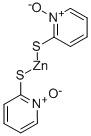
- 13463-41-7
- C10H8N2O2S2Zn
- 317.7
- All (24)
- China (1)
- (24)
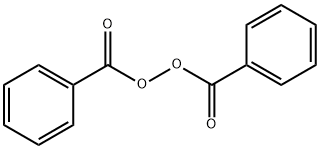
- 94-36-0
- C14H10O4
- 242.23
- All (15)
- China (13)
- (15)
- 2685-64-5
- C21H29BrO4
- 425.36000
- All (15)
- China (13)
- (15)
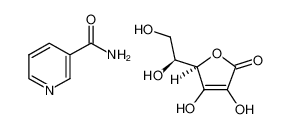
- 1987-71-9
- C12H14N2O7
- 298.25000
- All (0)
- China (0)
- (0)
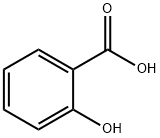
- 69-72-7
- C7H6O3
- 138.12
- All (164)
- China (35)
- (164)
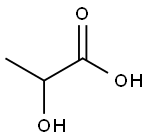
- 50-21-5
- C3H6O3
- 90.08
- All (220)
- China (25)
- (220)
- 1595292-07-1
- C3H4FeO3+
- 143.90700
- All (220)
- China (25)
- (220)
- 74134-03-5
- C24H26O8
- 442.45800
- All (0)
- China (0)
- (0)
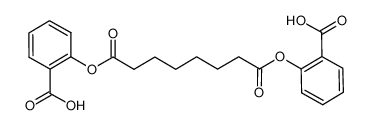
- 74134-02-4
- C22H22O8
- 414.40500
- All (0)
- China (0)
- (0)
Related Products More >

- CNY Request For Quotation
- CNY Request For Quotation
- CNY Request For Quotation
- 50-21-5
- CNY Request For Quotation
- 50-21-5
- CNY Request For Quotation
- 26100-51-6
- Request For Quotation
- 1ton
- 26100-51-6
- Request For Quotation
- 25kg
- 26100-51-6
- Request For Quotation
- 1g


Beyond controlling oil, it carries anti-inflammatory properties that directly address the redness and swelling of inflamed acne. This action soothes irritated skin, making existing breakouts less visually striking and less uncomfortable to touch.
It also plays a role in strengthening the skin’s barrier function, fortifying the outermost layer to better withstand environmental stressors and harmful bacteria that can exacerbate acne. A stronger barrier is more resilient, potentially lowering the risk of new breakouts by minimizing irritation and keeping pores clear.
When it comes to seeing results, consistency is key. Most people notice improvements after 4 to 8 weeks of daily use. This timeline allows the ingredient to gradually balance sebum, calm inflammation, and strengthen the skin barrier. Individual experiences may vary based on skin type, acne severity, and the concentration of niacinamide in the product, but steady use typically leads to fewer breakouts and reduced redness over this period.
Firstly, in terms of reducing the number of pimples and pustules, niacinamide works by regulating sebum production. Sebum is an oily substance secreted by the sebaceous glands. Excessive sebum can clog pores, creating an ideal environment for the growth of acne - causing bacteria. Clinical studies have shown that when niacinamide is applied topically at concentrations of around 4% - 5%, it can effectively reduce sebum secretion. This reduction in sebum helps prevent pore blockage, thereby decreasing the formation of new pimples and pustules.
Regarding redness and swelling caused by inflamed acne, niacinamide has potent anti - inflammatory properties. It inhibits the production of pro - inflammatory cytokines such as interleukin - 1 beta and tumor necrosis factor - alpha. These cytokines are responsible for triggering the inflammatory response in the skin. By blocking their synthesis, niacinamide can soothe the skin, reduce redness, and alleviate swelling. This is especially beneficial for those with acne that is accompanied by significant inflammation.
In terms of preventing new acne from forming, niacinamide strengthens the skin's barrier function. It helps to maintain the integrity of the stratum corneum, the outermost layer of the skin. A healthy skin barrier can prevent the penetration of harmful substances and bacteria that can potentially clog pores and cause acne. Additionally, it can regulate the growth and differentiation of keratinocytes, which are involved in the formation of comedones (clogged pores).
As for the time it takes to see the effects on acne - prone skin, it usually ranges from 4 to 8 weeks. This is because the skin has a natural cell turnover cycle of about 28 days. During this period, as the skin cells are renewed and the effects of niacinamide gradually accumulate, improvements in the skin's condition become visible. However, individual results may vary depending on factors such as the severity of acne, skin type, and consistency of product use. Some people with mild acne may start to notice improvements earlier, while those with more severe cases may need to wait closer to the 8 - week mark.
Its anti-inflammatory properties come into play with inflamed acne, mitigating redness and swelling. By dampening the skin’s inflammatory response, it eases the visible and tactile intensity of irritated breakouts.
It supports the skin’s barrier function, which strengthens defense against bacteria and irritants, aiding in preventing new acne. A robust barrier is less prone to the conditions that spark breakouts.
Results aren’t immediate. Most users see changes in 4 to 8 weeks, with consistency crucial. It works incrementally, balancing skin processes over time rather than delivering quick fixes, making steady application necessary to sustain benefits for acne-prone skin.
The mechanism behind niacinamide's effectiveness involves its ability to modulate keratinocyte proliferation and differentiation, which helps prevent the abnormal shedding of skin cells that can contribute to pore blockages. Furthermore, it strengthens the skin barrier, improving its ability to retain moisture while simultaneously protecting against environmental irritants that might exacerbate acne. This dual action not only helps treat existing acne but also plays a preventive role by maintaining a healthier skin environment that is less conducive to new breakouts.
Clinical research supports the efficacy of niacinamide in acne treatment. Studies have demonstrated that topical applications containing 4% niacinamide can significantly reduce the number of acne lesions over time. In some cases, its effectiveness has been comparable to certain topical antibiotics, such as 1% clindamycin, without the risk of antibiotic resistance. The reduction in lesion count typically includes both inflammatory pimples and non-inflammatory whiteheads or blackheads, making it a versatile option for various types of acne.
When it comes to visible improvements, consistency is key. Most users begin to notice a reduction in redness and oiliness within the first few weeks of regular use. However, the full effects on acne lesion reduction often require 4 to 8 weeks of consistent application. This timeline aligns with the skin's natural renewal cycle, during which new, healthier skin cells gradually replace older, damaged ones. For individuals with persistent or severe acne, combining niacinamide with other treatments, such as salicylic acid or benzoyl peroxide, may enhance results.
Potential side effects are minimal compared to stronger acne medications. Niacinamide is generally well-tolerated, even by sensitive skin types, though some users may experience mild irritation or dryness during the initial adjustment period. Starting with a lower concentration and gradually increasing usage can help mitigate these effects. Overall, niacinamide offers a promising, low-risk option for managing acne and improving overall skin health.