


 Home
Home
I’ve been struggling with acne and heard about The Ordinary’s Niacinamide serum. 1. Is it really effective against acne? 2. How does it compare with other acne treatments? 3. Can it cause irritation? 4. How long does it take to see results? Appreciate any help!!!
Is The Ordinary Niacinamide Good For Treating Acne?
Related Encyclopedia
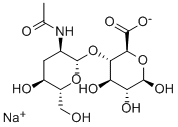
- 9004-61-9
- C14H22NNaO11
- 403.31
- All (106)
- China (43)
- (106)
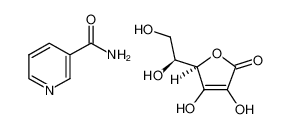
- 1987-71-9
- C12H14N2O7
- 298.25000
- All (0)
- China (0)
- (0)
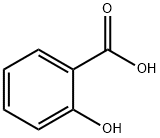
- 69-72-7
- C7H6O3
- 138.12
- All (164)
- China (35)
- (164)
- 74134-03-5
- C24H26O8
- 442.45800
- All (0)
- China (0)
- (0)
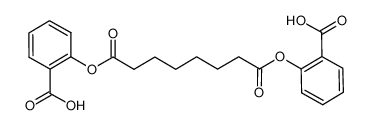
- 74134-02-4
- C22H22O8
- 414.40500
- All (0)
- China (0)
- (0)
- 70024-90-7
- 0
- All (0)
- China (0)
- (0)
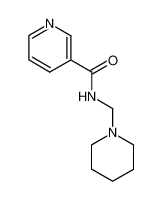
- 5259-92-7
- C12H17N3O
- 219.28300
- All (0)
- China (0)
- (0)
- 1139888-48-4
- C22H18N2O4
- 374.38900
- All (0)
- China (0)
- (0)
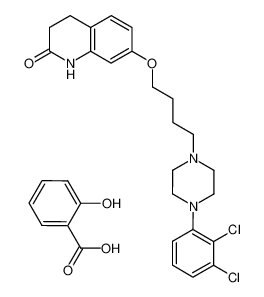
- 1258382-05-6
- C30H33Cl2N3O5
- 586.50600
- All (0)
- China (0)
- (0)
- 1225528-45-9
- C16H17NO5
- 303.31000
- All (0)
- China (0)
- (0)
Related Products More >

- CNY Request For Quotation
- CNY Request For Quotation
- CNY Request For Quotation
- CNY Request For Quotation
- 97-05-2
- USD 3000.0000
- 1ton
- 98-92-0
- Request For Quotation
- 98-92-0
- Request For Quotation
- 98-92-0
- Request For Quotation


Defining Core Concepts
Niacinamide, also known as nicotinamide, is a water-soluble form of vitamin B3. It works by reducing inflammation, regulating sebum production, and improving skin barrier function. Salicylic acid is a keratolytic agent that exfoliates dead skin cells inside pores, preventing clogging and reducing blackheads and whiteheads.
Related Issues and Considerations
One common concern is the order of application: salicylic acid’s acidic pH can temporarily alter skin surface conditions, potentially reducing niacinamide’s effectiveness if applied simultaneously. Moreover, combining active ingredients without proper intervals may irritate sensitive skin. It is also important to consider the skin type and acne severity, as excessive exfoliation may exacerbate dryness or irritation.
Practical Scenarios and Advice
In daily skincare routines, apply salicylic acid products during cleansing or exfoliation steps to deeply cleanse pores. Follow with niacinamide serums to soothe irritation, promote healing, and strengthen the skin barrier. For those with sensitive or dry skin, introducing niacinamide first can reduce the risk of irritation.
Solutions and Practical Value
The synergistic use of niacinamide and salicylic acid provides a balanced approach to acne treatment: exfoliation coupled with anti-inflammatory support. Users should patch test new products and space applications to minimise irritation. Ultimately, incorporating these ingredients into a consistent skincare regimen can lead to clearer, healthier skin and improved quality of life.
Classification and Analysis of Niacinamide and Salicylic Acid Use
In acne treatment, niacinamide and salicylic acid serve complementary but distinct purposes. Niacinamide primarily targets inflammation, skin barrier reinforcement, and pigmentation, whereas salicylic acid, a beta-hydroxy acid (BHA), penetrates pores to exfoliate and clear comedones. Their use sequence matters: salicylic acid, being exfoliative and slightly acidic, should be applied first to cleanse pores, followed by niacinamide to soothe and restore the skin.
Industry Cases Supporting Use
Many dermatological studies have demonstrated niacinamide’s effectiveness in reducing acne severity and improving skin texture. For example, a clinical trial published in the Journal of Clinical and Aesthetic Dermatology showed a 35% reduction in acne lesions after 8 weeks of topical niacinamide use. Simultaneously, salicylic acid is a staple in chemical peels and cleansers, supporting its efficacy in acne clearance.
Targeted Solutions and Recommendations
For optimal results, combine salicylic acid in cleansing or exfoliation steps with niacinamide serums to follow. For sensitive skin, start with niacinamide alone to build tolerance. It is also advisable to consult skincare professionals to tailor treatments based on individual skin types and acne severity. Consistency and sun protection remain critical adjuncts to these chemical interventions.