


 Home
Home
I'm very sorry to bother you, but this question bothers me. I'm in a situation where I need a replacement for citric acid, but I'm not sure which substances can serve as good replacements. Could you recommend some suitable replacements and explain their advantages and limitations?
In what aspects can substitute products like malic acid and ascorbic acid replace citric acid?
Related Encyclopedia
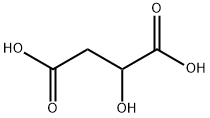
- 6915-15-7
- C4H6O5
- 134.09
- All (114)
- China (27)
- (114)
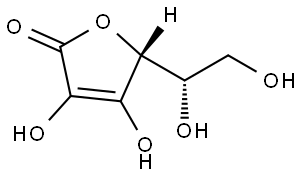
- 50-81-7
- C6H8O6
- 176.12
- All (105)
- China (2)
- (105)
- 89829-60-7
- C4H5NO7
- 179.08500
- All (0)
- China (0)
- (0)
- 55979-68-5
- C4H4O4
- 116.07200
- All (0)
- China (0)
- (0)
- 617-48-1
- C4H6O5
- 134.09
- All (46)
- China (7)
- (46)
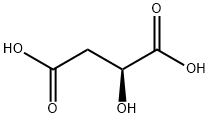
- 97-67-6
- C4H6O5
- 134.09
- All (62)
- China (39)
- (62)
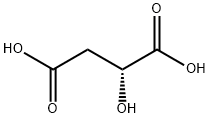
- 636-61-3
- C4H6O5
- 134.09
- All (9)
- China (1)
- (9)
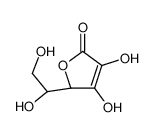
- 10504-35-5
- C6H8O6
- 176.12400
- All (0)
- China (0)
- (0)
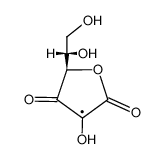
- 1141863-91-3
- C6H7O6
- 175.11600
- All (0)
- China (0)
- (0)
- 22430-27-9
- C6H8O9S
- 256.18700
- All (0)
- China (0)
- (0)
Related Products More >

- CNY Request For Quotation
- CNY Request For Quotation
- CNY Request For Quotation
- 86404-04-8
- CNY Request For Quotation
- 86404-04-8
- CNY Request For Quotation
- CNY Request For Quotation
- CNY Request For Quotation
- 5329-14-6
- USD 50.0000
- 25kg


Ascorbic acid: For preservation (same weight).
Vinegar: For cleaning (1:1 but rinse thoroughly).
Cream of tartar: In baking (1:2 ratio).
Each has trade-offs: malic acid’s lingering sourness vs. ascorbic’s antioxidant focus.