


 Home
Home
With Europe now importing 75% of its maritime ethylene from the U.S., is this a smart adaptation to local production shutdowns, or a risky dependency on transatlantic supply chains? And what does it mean for the future of global chemical manufacturing?
Europe's Chemical Crisis: Why Is It Becoming America's Ethylene Gas Station?
Related Encyclopedia
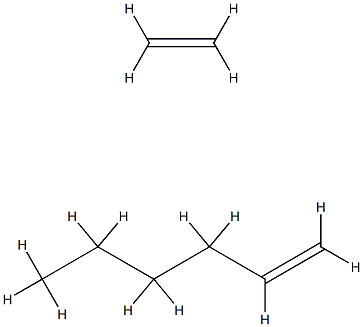
- 25213-02-9
- C8H16
- 112.21264
- All (24)
- China (2)
- (24)
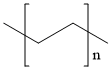
- 9002-88-4
- (C2H4)n
- 28.05316
- All (24)
- China (2)
- (24)
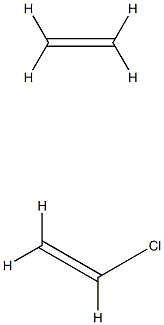
- 63231-66-3
- C4H7Cl
- 90.55138
- All (3)
- China (3)
- (3)
- 68131-73-7
- C12H5N7O12
- 0
- All (2)
- China (0)
- (2)
- 68441-17-8
- C51H102O21Si2
- 0
- All (29)
- China (28)
- (29)
- 64754-90-1
- 0
- All (3)
- China (3)
- (3)
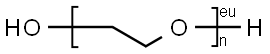
- 25322-68-3
- (C2H4O)nH2O
- 0
- All (65)
- China (33)
- (65)
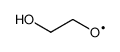
- 28287-76-5
- C2H5O2
- 61.05990
- All (65)
- China (33)
- (65)
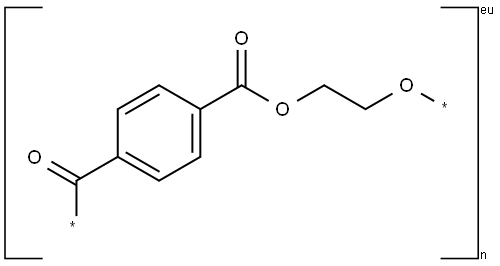
- 25038-59-9
- C10H12O6
- 228.19868
- All (3)
- China (0)
- (3)

- 74-85-1
- C2H4
- 28.05
- All (4)
- China (3)
- (4)
Related Products More >

- 63231-66-3
- CNY Request For Quotation
- 632-51-9
- CNY Request For Quotation
- 632-51-9
- CNY Request For Quotation
- 632-51-9
- CNY Request For Quotation
- 96-45-7 Ethylene thiourea
- CNY Request For Quotation
- 9002-88-4
- Request For Quotation
- 143-24-8
- Request For Quotation
- 25322-68-3
- Request For Quotation


Wow, Europe is leaning hard on American ethylene these days. In July, 75% of Europe’s seaborne ethylene imports came from the U.S. – a record high! Countries like Italy are shutting down their own ethylene plants (like Versalis’ Brindisi cracker) but still running downstream factories. So, they’re importing more than ever. Let’s break down what’s going on and why it’s a big deal for chemicals, trade, and even sustainability.
1. Why Is Europe Importing So Much U.S. Ethylene?
Local Crackers Are Closing: Europe’s ethylene production is declining due to high energy costs, strict carbon regulations, and aging infrastructure. Italy’s Versalis closed one cracker in March and will shut another by end-2025.
Cheap U.S. Feedstocks: America has abundant shale gas and ethane, making ethylene production cheaper and more competitive.
Downstream Demand Stays Strong: European factories still need ethylene to make plastics, antifreeze, and solvents. Imports fill the gap.
2. Trade & Geopolitical Angles
U.S. Export Boom: The Biden administration lifted ethane export restrictions in July, and shipments to China and Europe surged.
Supply Chain Risks: Europe is becoming dependent on U.S. ethylene. What if hurricanes disrupt Gulf Coast exports? Or trade tensions flare?
Shipping Trends: Companies like Navigator Holdings are benefiting – expect more demand for ethane and ethylene carriers.
3. Chemistry & Sustainability Impacts
Carbon Footprint: Shipping ethylene across the ocean isn’t exactly green. But U.S. ethane-based ethylene might still be cleaner than coal-reliant European production?
Recycling & Alternatives: Could this push Europe to invest in chemical recycling or bio-ethylene to cut imports?
Innovation: With local production down, will EU innovators focus on circular economy solutions?
4. Health & Safety Notes
Ethylene is a building block for plastics and medical devices – so supply stability matters for everything from packaging to healthcare.
But it’s also flammable and hazardous – shipping large volumes requires strict safety protocols.
5. What’s Next?
More U.S. export terminals (like Enterprise’s new Beaumont site) will come online.
Europe might accelerate its shift to electric cracking or green hydrogen to reduce reliance on imports.
Global ethylene trade flows will keep shifting – watch Asia too!
The trend could reshape global chemical flows, but whether it sparks lasting revolution depends on Europe's ability to rebuild competitiveness through renewable energy integration. Without balanced trade policies and domestic capacity investments, the ethylene boom may become a structural vulnerability in the green transition era.
Picture this: massive tankers full of U.S. ethylene crossing the Atlantic like floating pipelines. That’s not sci-fi—it’s happening right now. According to Navigator Holdings, 75% of Europe’s seaborne ethylene imports in July came from the U.S.—a record high.
Why Europe’s Chemical Industry Is Hooked on U.S. Ethylene
Europe’s Crackers Are Dropping Like Flies
Italy’s Versalis shut its Brindisi plant in March; its Priolo facility is next.
High energy costs and green regulations are killing local production.
But polyethylene plants still need feedstock—so they’re importing like crazy.
America’s Shale Boom to the Rescue
U.S. ethane (cheap thanks to fracking) gets cracked into ethylene.
Enterprise’s new Beaumont terminal just opened, pumping out more exports.
China’s back in the game too after U.S. lifted export limits in July.
The Domino Effect
Shipping Boom:
Suddenly, midsize ethane tankers are in hot demand.
Rates could spike if Europe keeps buying at this pace.
Trade Wars 2.0?
EU carbon taxes might eventually target U.S. ethylene’s footprint.
But for now, Brussels is just happy the factories stay open.
Chemical Industry Whiplash
Polyethylene Paradox: Europe can’t make the building block (ethylene) but still manufactures the plastic.
Jobs vs. Emissions: Shutting crackers cuts CO₂… but risks offshoring entire supply chains.
What’s Next?
More U.S. terminals will likely get built (hello, profits!).
Europe might subsidize crackers to avoid total dependence.
China could outbid everyone if ethylene prices surge.
Bottom Line:
This isn’t just a trade trend—it’s a structural power shift. Europe’s chemical industry is now addicted to American shale gas, and there’s no easy detox.