


 Home
Home
Have you noticed a small black spot on your tooth and wondered what it could mean? Could it be something harmless, like a stain from food or drink, or is it a sign of tooth decay? How do factors like plaque buildup, enamel weakening, or acid exposure contribute to these dark spots? What steps can be taken to prevent them from getting worse, and how can you tell if a dentist needs to check it out?
Why Is There a Black Spot on My Tooth? Causes Explained
Related Encyclopedia
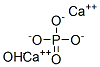
- 1306-06-5
- Ca5HO13P3
- 502.31
- All (9)
- China (0)
- (9)
Related Products More >

- 1308-38-9
- Request For Quotation
- 1306-06-5
- Request For Quotation
- 1306-06-5
- Request For Quotation
- 1306-06-5
- Request For Quotation
- 1306-06-5
- Request For Quotation
- 1306-06-5
- Request For Quotation
- 1306-06-5
- Request For Quotation
- 1306-06-5
- Request For Quotation


Sometimes plaque or tartar builds up in a small area and creates a dark patch. It can show up in spots you might miss while brushing, like between teeth or near the gum line. Even if it looks tiny, it’s worth paying attention because decay can spread if left untreated.
Good oral hygiene helps prevent these spots—regular brushing, flossing, and using fluoride toothpaste all protect your enamel. If you see a black spot that doesn’t go away or feels sensitive, it’s best to make a dental appointment. A dentist can clean it, treat decay if needed, and stop the spot from growing larger.
Alternatively, the spot could represent intrinsic staining due to pulp necrosis or internal resorption. When the dental pulp undergoes ischemic necrosis, hemoglobin breakdown products (e.g., iron sulfides) may infiltrate dentinal tubules, causing gray-black discoloration. This differs from extrinsic stains in that it typically follows trauma or chronic pulpitis and may correlate with symptoms like pain or radiographic changes. Dental amalgam remnants from old fillings can also migrate into tooth structure, leaving localized black spots due to sulfur compounds reacting with metallic ions.
Less commonly, melanotic lesions or oral melanomacules may present as pigmented spots on the gingival margin or tooth surface, though these are typically benign mucosal discolorations rather than tooth-specific. A critical distinction is that true dental black spots often reflect structural or biochemical alterations, whereas mucosal pigmentation involves melanocyte activity.
Misconceptions include attributing all dark spots to "cavities" or poor hygiene alone. In reality, factors like enamel hypoplasia, fluorosis, or even genetic conditions (e.g., dentinogenesis imperfecta) can predispose teeth to discoloration independent of decay. Diagnosis requires transillumination, radiographs, or laser fluorescence devices to assess depth and vitality. Treatment ranges from minimally invasive resin infiltration for early caries to endodontic therapy for necrotic pulp, emphasizing the need for accurate differential diagnosis to preserve tooth integrity.
Key attributes of these spots include their size, hardness, and location on the tooth surface. They often appear in grooves, pits, or along the gum line where plaque tends to accumulate and cleaning is more difficult. In practice, recognizing these characteristics helps dental professionals distinguish between harmless extrinsic stains and active carious lesions requiring intervention. For example, a patient may develop a black spot on a molar due to frequent consumption of sugary beverages and insufficient brushing in that area. Addressing it early with fluoride treatments or restorative procedures prevents further enamel breakdown and protects the underlying dentin.
Understanding the mechanisms behind black spots also informs preventive strategies. Maintaining effective oral hygiene, reducing dietary sugar, and using remineralizing agents help preserve enamel integrity. In clinical settings, dentists assess these spots not only for aesthetics but for structural health, using their location, appearance, and texture to guide treatment decisions. This practical linkage between chemical demineralization, microbial activity, and routine care illustrates how small visual cues on teeth can provide insight into oral health status.
Other causes stem from physical or chemical trauma. A chip or fracture can expose the inner dentin or pulp, where blood vessels and nerves may bleed and then oxidize, turning dark as hemoglobin breaks down. Staining from external sources, such as long-term exposure to tobacco, coffee, or certain medications, can also embed pigments in microscopic cracks, though these typically appear more brownish and may respond to polishing, unlike decay-related spots. Additionally, old fillings made of amalgam can develop black edges as they degrade, creating the illusion of a spot on the tooth itself.
Addressing such spots requires distinguishing between superficial staining and structural damage, a task that merges material science with clinical dentistry. Decay demands removal of infected tissue and restoration with composites or fillings, preventing further spread to the pulp, which would necessitate root canal treatment. In public health, recognizing these signs emphasizes the importance of preventive care, as untreated decay can lead to abscesses or tooth loss, affecting nutrition and quality of life. Beyond individual health, the black spot serves as a visible marker of the tooth’s dynamic interaction with its environment—how bacteria, diet, and physical stressors reshape its structure, offering a microcosm of biological resilience and vulnerability.