


 Home
Home
Why do collagen fibers play such an important role in our bones? What makes them so essential for bone strength and flexibility? How do collagen fibers work together with minerals like calcium to keep our bones healthy? Can bones function properly without collagen? What happens if the collagen in bones gets damaged or decreases? Why should we care about collagen fibers when thinking about bone health?
Why Are Collagen Fibers a Critical Component of Bone?
Related Encyclopedia
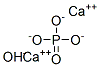
- 1306-06-5
- Ca5HO13P3
- 502.31
- All (9)
- China (0)
- (9)
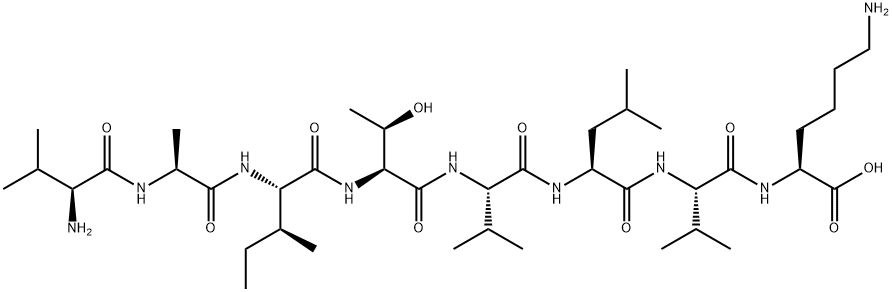
- 145224-99-3
- C40H75N9O10
- 842.08
- All (1)
- China (0)
- (1)

- 7440-70-2
- Ca
- 40.08
- All (5)
- China (3)
- (5)

- 115044-69-4
- C103H185N31O24S
- 2273.83
- All (0)
- China (0)
- (0)
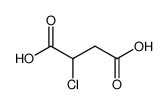
- 617-41-4
- C4H5ClO4
- 152.53300
- All (0)
- China (0)
- (0)
- 90698-81-0
- 0
- All (0)
- China (0)
- (0)
- 9015-54-7
- 0.00000
- All (0)
- China (0)
- (0)
- 222400-29-5
- 0
- All (1)
- China (1)
- (1)
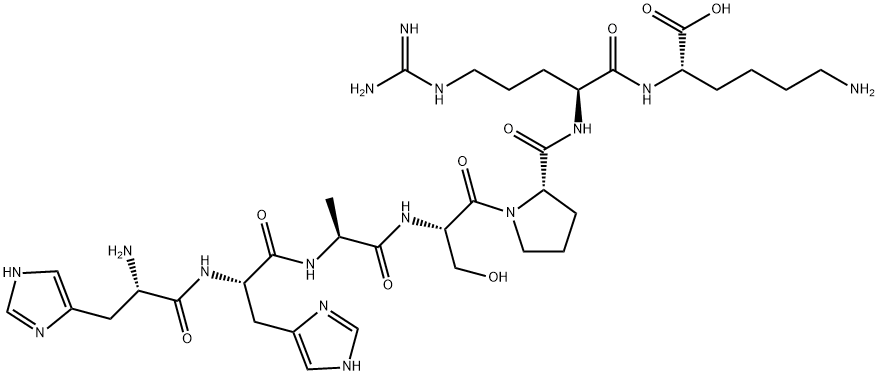
- 255064-79-0
- C35H57N15O9
- 831.92
- All (0)
- China (0)
- (0)
- 100684-35-3
- 0.00000
- All (0)
- China (0)
- (0)
Related Products More >

- 7778-54-3
- CNY Request For Quotation
- 7757-93-11
- CNY Request For Quotation
- 7757-93-10
- CNY Request For Quotation
- 7757-93-9
- CNY Request For Quotation
- 10389-09-2
- CNY Request For Quotation
- 10389-09-1
- CNY Request For Quotation
- 10389-09-0
- CNY Request For Quotation
- 35947-07-2
- CNY Request For Quotation


Without collagen, bones would be too stiff and fragile, more likely to crack under pressure. The collagen fibers help absorb shock and give bones the ability to bend a bit without breaking. This is why good collagen health is important as we age or if we have bone conditions — it helps keep bones strong and resilient.
So, collagen fibers are essential because they work together with minerals to build bones that are both strong and flexible, supporting our everyday movement and protecting us from injuries.
Mechanistically, collagen fibers impart tensile strength and elasticity to bones, allowing them to absorb impact and deform slightly under load without breaking. This biomechanical property is critical for normal locomotion and load-bearing activities. For example, in conditions such as osteogenesis imperfecta—where collagen synthesis or structure is defective—bones become brittle and prone to fractures, underscoring collagen’s crucial role.
Furthermore, collagen fibers influence cellular activities within bone, serving as a substrate for osteoblast adhesion and guiding mineralization processes during bone remodeling. The hierarchical organization of collagen, from molecular to fibrillar scales, ensures proper spatial orientation and mechanical performance. In practical terms, therapies targeting collagen quality and synthesis are being explored to improve bone health in aging populations and patients with metabolic bone diseases.
Understanding collagen’s dual role as both a mechanical and biological component highlights why it is indispensable for maintaining bone strength, flexibility, and overall skeletal health throughout life.
From a biochemical perspective, collagen’s glycine-rich repeating sequence enables tight packing of helices, while lysine residues undergo enzymatic crosslinking to stabilize fibers. These crosslinks, such as pyridinoline, increase with age but can become overly rigid, contributing to reduced bone elasticity in osteoporosis. Physiologically, collagen fibers guide osteoblast differentiation during bone remodeling by providing mechanical cues through their stiffness; cells sense these cues via integrin receptors, adjusting mineral deposition accordingly. This interplay explains why collagen degradation in conditions like rheumatoid arthritis disrupts bone homeostasis, leading to erosive lesions.
Industrially, collagen’s role in bone biomechanics inspires biomaterials for fracture repair. Synthetic scaffolds mimicking collagen’s fibrous architecture are used in tissue engineering to promote bone regeneration, while collagen-coated implants enhance osseointegration in dental and orthopedic surgeries. In daily life, understanding collagen’s importance underscores the value of nutrition rich in vitamin C (essential for collagen synthesis) and protein (providing amino acid precursors) to maintain skeletal health. This cross-disciplinary relevance—spanning material science, cell biology, and clinical medicine—highlights collagen fibers as a linchpin in bone’s ability to balance strength and adaptability, ensuring its function as both a load-bearing structure and a metabolic organ.
The molecular structure of type I collagen, a triple helix formed by three polypeptide chains rich in glycine, proline, and hydroxyproline, allows it to form fibrils that align in parallel arrays. These fibrils act as a scaffold for hydroxyapatite deposition, with mineral crystals binding to specific amino acid residues in the collagen matrix. This interaction ensures uniform mineral distribution, enhancing bone’s overall strength and preventing fractures under stress. Without this collagen framework, mineralization would be disorganized, leading to weak, fragile bone tissue.
Collagen fibers also play a role in bone remodeling, a continuous process where osteoclasts break down old bone and osteoblasts synthesize new matrix. The collagen network provides a template for osteoblasts to deposit new bone, ensuring structural continuity during repair and adaptation to mechanical stress. This dynamic role distinguishes collagen from static mineral components, which lack the ability to guide regenerative processes.
A common misconception is that bone strength relies solely on mineral content, such as calcium. While minerals are essential, collagen’s tensile strength is what allows bone to absorb impact—for example, during running or jumping—without snapping. In conditions like osteogenesis imperfecta, a genetic defect in collagen synthesis leads to bones that are brittle despite normal mineral levels, highlighting collagen’s irreplaceable role in maintaining bone integrity. Thus, collagen fibers are not merely a passive component but an active, structural linchpin that enables bone to fulfill its dual roles of support and mobility.