


 Home
Home
Many women wonder about the benefits of collagen and why it’s often highlighted in beauty and health products. How does collagen actually support women’s bodies beyond just skin appearance? Does it play a role in joint health or hair strength? What should women know about collagen’s function in their overall wellness? Why is collagen important specifically for women at different stages of life?
What Does Collagen Do for Women? Understanding Its Role in Health and Beauty
Related Encyclopedia
- 9007-34-5
- 0
- All (14)
- China (1)
- (14)
- 9064-67-9
- C4H6N2O3R2.(C7H9N2O2R)n
- 0
- All (14)
- China (1)
- (14)
- 92113-31-0
- CO(NH2)2,Fe+++
- 0
- All (3)
- China (0)
- (3)
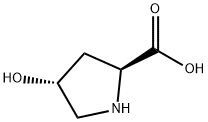
- 51-35-4
- C5H9NO3
- 131.13
- All (84)
- China (23)
- (84)
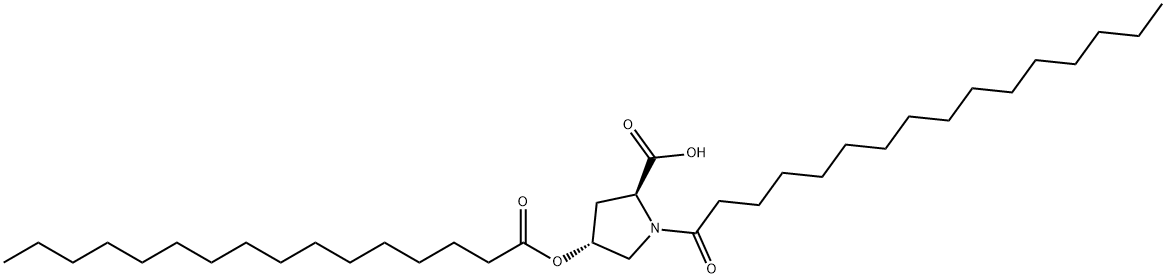
- 41672-81-5
- C37H69NO5
- 607.95
- All (1)
- China (0)
- (1)
- 147028-80-6
- C5H9NO3
- 131.13000
- All (84)
- China (23)
- (84)
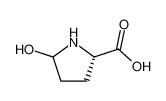
- 104111-00-4
- C5H9NO3
- 131.13000
- All (0)
- China (0)
- (0)
- 286375-02-8
- C53H78N12O16S4
- 1267.52000
- All (0)
- China (0)
- (0)
- 264146-55-6
- C58H92N16O16S4
- 1397.71000
- All (0)
- China (0)
- (0)
- 286375-00-6
- C57H89N17O17S4
- 1412.68000
- All (0)
- China (0)
- (0)
Related Products More >

- 92113-31-0
- Request For Quotation
- 25kg/Cardboard Drum
- 92113-31-0
- Request For Quotation
- 1g,50g,100g,1000g
- 92113-31-0
- Request For Quotation
- 92113-31-0
- Request For Quotation
- 25kg/drum
- 92113-31-0
- Request For Quotation
- 92113-31-0
- Request For Quotation
- 92113-31-0
- Request For Quotation
- 92113-31-0
- Request For Quotation
- 100g;1kg;25g


In skin, collagen maintains the dermis’s integrity, supporting elasticity and hydration. Women often notice its decline more acutely with age, particularly post-menopause, as estrogen levels drop; estrogen stimulates fibroblast activity, which produces collagen, so reduced estrogen slows synthesis, leading to wrinkles, sagging, and thinner skin. Collagen’s role here differs from elastin, which enables stretch—collagen prevents excessive deformation, preserving a firm texture.
For bone health, collagen is critical: it forms a framework that binds calcium and phosphate, giving bones rigidity while retaining flexibility to resist fractures. Women, especially post-menopause, face increased osteoporosis risk due to estrogen loss, which impairs collagen’s integration into bone matrix. Adequate collagen supports this matrix, enhancing bone density and reducing fracture risk, distinguishing it from calcium alone, which requires collagen to be effectively incorporated.
In joints, collagen (particularly type II) cushions cartilage, enabling smooth movement. Hormonal fluctuations in women—during menstruation, pregnancy, or menopause—can affect joint laxity, making collagen’s role in maintaining cartilage structure key to reducing discomfort. Additionally, collagen supports hair and nail health: its amino acids strengthen hair follicles and nail beds, reducing brittleness, a concern for women managing hormonal shifts that impact keratin production.
Common misconceptions include viewing collagen as solely a "beauty nutrient"; while it aids skin appearance, its role in bone and joint health is equally vital for women’s mobility and longevity. Another misunderstanding is assuming topical collagen penetrates skin deeply; only ingested collagen peptides (hydrolyzed for absorption) provide amino acids that fibroblasts use to synthesize new collagen, working with cofactors like vitamin C.
Collagen’s significance for women lies in its adaptability to their unique physiological needs—supporting structural tissues through hormonal changes, aging, and life stages—making it integral to both aesthetic and functional health.
Mechanistically, collagen fibers create a scaffold that supports skin cells and retains moisture, crucial for a youthful complexion. In connective tissues, collagen ensures mechanical stability and facilitates repair processes. Women often supplement with collagen peptides, which are hydrolyzed forms allowing better absorption and utilization in the body. For example, clinical usage of collagen supplements has been linked to improvements in skin hydration, elasticity, and reduction of fine lines. Additionally, collagen contributes to maintaining bone mineral density, which is vital in reducing osteoporosis risk among aging women.
In practical terms, collagen’s role in maintaining the structural and functional health of skin and musculoskeletal systems makes it a focal point in women’s wellness strategies. It integrates biochemical pathways involving amino acids like glycine and proline, necessary for tissue regeneration. Therefore, collagen is fundamental not only for aesthetic considerations but also for supporting overall tissue health and mitigating age-related deterioration in women’s bodies.
Physiologically, collagen peptides—hydrolyzed into low-molecular-weight fragments—act as signaling molecules to stimulate fibroblasts, enhancing collagen, elastin, and glycosaminoglycan synthesis. This mechanism counteracts age-related degradation by replenishing amino acids like glycine, proline, and hydroxyproline, which are essential for stabilizing collagen’s triple-helix structure. Chemically, collagen’s solubility and bioavailability in supplement form ensure efficient absorption, enabling systemic benefits for skin hydration, joint mobility, and bone mineralization. Its amino acid profile also supports keratin production, strengthening hair and nails—common concerns for women seeking holistic anti-aging solutions.
In daily life, collagen supplements are widely adopted by women to mitigate visible signs of aging and maintain physical function. Oral formulations are often paired with vitamins like C and D to optimize absorption and address co-occurring deficiencies, while topical collagen-infused skincare targets localized dermal repair. Industrially, collagen’s demand has spurred innovations in sustainable sourcing, such as grass-fed bovine or marine collagen, aligning with eco-conscious consumer trends. Medically, collagen-based scaffolds are pivotal in pelvic floor reconstruction and postpartum tissue repair, addressing conditions like urinary incontinence or prolapse that disproportionately affect women. From a sociocultural lens, collagen’s popularity reflects broader shifts toward proactive wellness, where women leverage bioactive compounds to navigate aging, hormonal changes, and societal pressures around beauty and vitality, redefining self-care through science-backed interventions.