


 Home
Home
People often ask if taking collagen can actually help tighten their skin. How does collagen work in the skin, and can adding more through supplements or skincare products improve skin firmness? What role does collagen play in maintaining skin elasticity and reducing sagging? Are there differences between types of collagen or ways to use it that affect results? Is collagen enough on its own to make a noticeable difference in skin tightness, or do other factors come into play? What should someone considering collagen for skin tightening keep in mind?
Will Collagen Tighten Skin? What You Need to Know
Related Encyclopedia
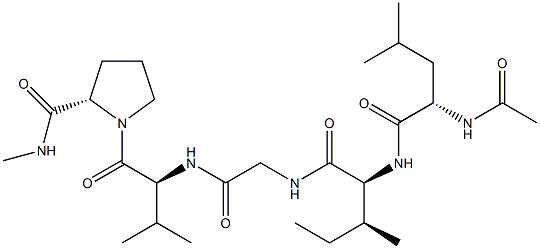
- 9007-58-3
- C27H48N6O6
- 552.70662
- All (0)
- China (0)
- (0)
- 9007-34-5
- 0
- All (14)
- China (1)
- (14)
- 9064-67-9
- C4H6N2O3R2.(C7H9N2O2R)n
- 0
- All (14)
- China (1)
- (14)
- 92113-31-0
- CO(NH2)2,Fe+++
- 0
- All (3)
- China (0)
- (3)
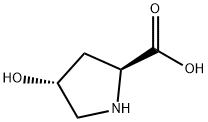
- 51-35-4
- C5H9NO3
- 131.13
- All (84)
- China (23)
- (84)
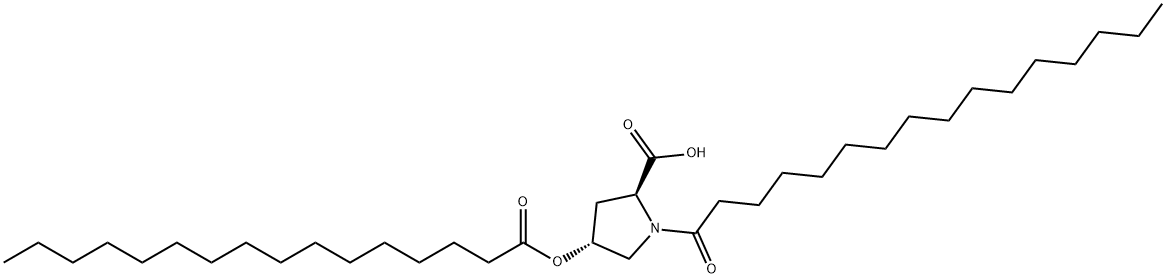
- 41672-81-5
- C37H69NO5
- 607.95
- All (1)
- China (0)
- (1)
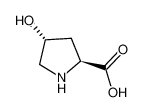
- 147028-80-6
- C5H9NO3
- 131.13000
- All (84)
- China (23)
- (84)
- 104111-00-4
- C5H9NO3
- 131.13000
- All (0)
- China (0)
- (0)
- 286375-02-8
- C53H78N12O16S4
- 1267.52000
- All (0)
- China (0)
- (0)
- 264146-55-6
- C58H92N16O16S4
- 1397.71000
- All (0)
- China (0)
- (0)
Related Products More >

- 92113-31-0
- Request For Quotation
- 25kg/Cardboard Drum
- 92113-31-0
- Request For Quotation
- 1g,50g,100g,1000g
- 92113-31-0
- Request For Quotation
- 92113-31-0
- Request For Quotation
- 25kg/drum
- 92113-31-0
- Request For Quotation
- 92113-31-0
- Request For Quotation
- 92113-31-0
- Request For Quotation
- 92113-31-0
- Request For Quotation
- 100g;1kg;25g


From a biochemical standpoint, topical collagen applications face inherent limitations. The protein’s large molecular size prevents it from penetrating the stratum corneum, the skin’s outermost barrier, rendering most creams ineffective at delivering intact collagen to the dermis. However, hydrolyzed collagen peptides, with smaller molecular weights, can permeate deeper layers, where they may stimulate fibroblasts to produce new collagen and elastin. This indirect effect, combined with collagen’s role in retaining moisture—its hydrophilic amino acids attract water molecules—can temporarily improve skin plumpness and reduce the appearance of fine lines, creating a subjective sensation of tightness.
Industrially, collagen’s biocompatibility has driven its use in aesthetic medicine. Dermal fillers containing collagen or collagen-stimulating agents like poly-L-lactic acid are injected to volumize sagging areas, while radiofrequency and ultrasound devices heat the dermis, triggering collagen contraction and remodeling. In daily life, collagen supplements are marketed to support skin health, though their efficacy depends on bioavailability and individual metabolism. Critics argue that systemic absorption does not guarantee targeted dermal enhancement, whereas proponents highlight its potential to offset age-related collagen loss when combined with antioxidants like vitamin C, which stabilizes collagen fibers.
The broader significance lies in understanding skin’s biomechanical balance. Collagen is not a standalone solution but part of a dynamic system involving elastin, hyaluronic acid, and cellular signaling. True skin tightening requires addressing both collagen degradation and impaired regeneration, often through a combination of topical retinoids, mechanical stimulation, and nutritional support. This interdisciplinary approach—merging dermatology, material science, and preventive medicine—underscores collagen’s value as a tool in managing skin aging, while emphasizing the need for holistic strategies to maintain its structural integrity over time.
The effectiveness of collagen in tightening skin depends on several factors, including the type of collagen used, its bioavailability, and the body's ability to process and incorporate it into the skin matrix. Hydrolyzed collagen peptides, for example, are broken down into smaller fragments that can be absorbed more readily, stimulating fibroblasts to produce new collagen fibers. This process can enhance the skin’s extracellular matrix, thereby increasing skin density and reducing laxity.
In practical applications, collagen is often combined with other components such as elastin and hyaluronic acid to synergistically improve skin hydration and elasticity. Clinical examples include the use of collagen supplements in aging populations, where modest improvements in skin elasticity have been recorded after sustained intake. Similarly, dermatological treatments incorporating collagen-stimulating technologies, like microneedling or laser therapy, can induce collagen remodeling, leading to tighter, more youthful skin.
Overall, collagen contributes fundamentally to skin structure, and strategies that enhance its production or supplementation hold promise in counteracting age-related skin laxity. The degree of tightening achievable varies by individual and the method of collagen delivery, reflecting the complexity of skin biology and repair mechanisms.
Supplementary collagen, often hydrolyzed into small peptides for better absorption, provides amino acids such as glycine and proline, which are critical for fibroblasts to produce new collagen. These peptides may stimulate fibroblast activity, encouraging the formation of new fibers that integrate into the existing network, potentially enhancing the dermis’s structural support. This effect is most noticeable in areas where collagen loss is moderate, as the body can still incorporate new fibers into the matrix.
A key distinction is that collagen cannot reverse advanced skin laxity, where the dermis has thinned significantly and elastin fibers—responsible for recoil—are also damaged. Unlike topical treatments that hydrate the epidermis, oral collagen targets the deeper dermis, but its impact depends on consistent intake and the presence of vitamin C, which is essential for cross-linking new collagen into functional fibers.
A common misconception is that collagen alone can "tighten" skin dramatically. In reality, its role is supportive: it aids in maintaining the structural framework, but optimal results require a combination of collagen synthesis, elastin preservation, and overall skin health. Thus, collagen contributes to skin firmness by supporting the dermis’s integrity, particularly when used as part of a broader approach to skin care.