


 Home
Home
Can collagen really help reduce or prevent stretch marks? How does collagen affect skin elasticity and healing in areas where stretch marks appear? Are there certain types of collagen or collagen treatments that work better for this? What role does collagen play in skin repair and regeneration, especially when skin has been stretched rapidly? Could adding collagen through diet or skincare make a visible difference to stretch marks over time?
Will Collagen Help Stretch Marks Fade or Prevent Them?
Related Encyclopedia
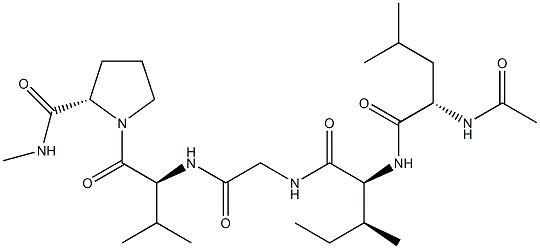
- 9007-58-3
- C27H48N6O6
- 552.70662
- All (0)
- China (0)
- (0)
- 9007-34-5
- 0
- All (14)
- China (1)
- (14)
- 9064-67-9
- C4H6N2O3R2.(C7H9N2O2R)n
- 0
- All (14)
- China (1)
- (14)
- 92113-31-0
- CO(NH2)2,Fe+++
- 0
- All (3)
- China (0)
- (3)
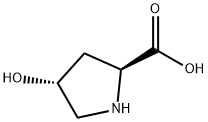
- 51-35-4
- C5H9NO3
- 131.13
- All (84)
- China (23)
- (84)
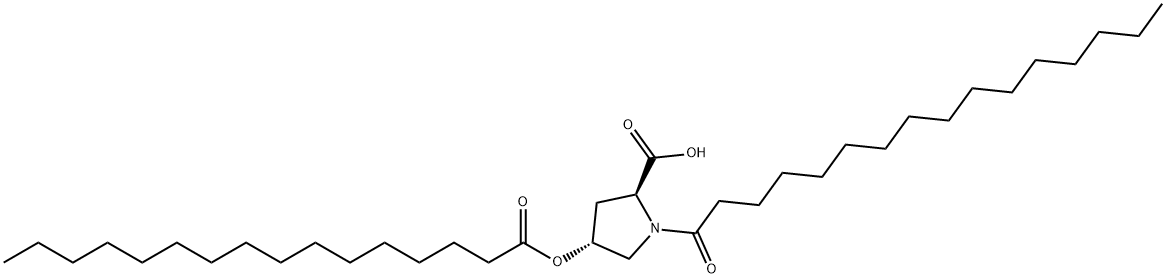
- 41672-81-5
- C37H69NO5
- 607.95
- All (1)
- China (0)
- (1)
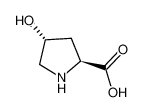
- 147028-80-6
- C5H9NO3
- 131.13000
- All (84)
- China (23)
- (84)
- 104111-00-4
- C5H9NO3
- 131.13000
- All (0)
- China (0)
- (0)
- 286375-02-8
- C53H78N12O16S4
- 1267.52000
- All (0)
- China (0)
- (0)
- 264146-55-6
- C58H92N16O16S4
- 1397.71000
- All (0)
- China (0)
- (0)
Related Products More >

- 92113-31-0
- Request For Quotation
- 25kg/Cardboard Drum
- 92113-31-0
- Request For Quotation
- 1g,50g,100g,1000g
- 92113-31-0
- Request For Quotation
- 92113-31-0
- Request For Quotation
- 25kg/drum
- 92113-31-0
- Request For Quotation
- 92113-31-0
- Request For Quotation
- 92113-31-0
- Request For Quotation
- 92113-31-0
- Request For Quotation
- 100g;1kg;25g


Taking collagen supplements or using collagen-boosting creams might help by giving your skin the building blocks it needs to heal and become more flexible again. It’s not a magic fix that makes stretch marks disappear overnight, but over time, collagen can improve the texture and strength of the skin, which might make those marks less noticeable.
Basically, collagen supports skin healing and elasticity, which is why people look to it when dealing with stretch marks. Keeping your skin hydrated and healthy alongside collagen helps too. So, while collagen won’t erase stretch marks completely, it can be part of a helpful routine to support skin repair.
From a biochemical perspective, topical collagen applications face inherent limitations. The protein’s large molecular size prevents it from penetrating the stratum corneum, the skin’s outermost barrier, rendering most creams ineffective at delivering intact collagen to the dermis. However, hydrolyzed collagen peptides, with lower molecular weights, can permeate deeper layers, where they may stimulate fibroblasts to produce new collagen and elastin. This mechanism, though indirect, explains why some users report improved skin texture and hydration, potentially reducing the appearance of stretch marks over time by enhancing overall dermal health.
Industrially, collagen’s role in scar management extends to medical devices. Collagen-based dressings are used in wound care to create a moist environment that accelerates healing, while synthetic scaffolds mimicking collagen’s architecture guide tissue regeneration in burn victims. In daily life, the popularity of collagen supplements reflects a broader trend toward proactive skin care, though their efficacy for stretch marks remains debated. Critics argue that systemic absorption of oral collagen does not guarantee targeted delivery to affected areas, whereas proponents highlight its role in supporting overall connective tissue function.
The broader significance lies in understanding skin’s biomechanics: collagen is not a cure but a component of a holistic approach. Combining collagen supplementation with topical retinoids, which boost cell turnover, or microneedling, which physically stimulates collagen synthesis, may yield synergistic effects. This interdisciplinary perspective—merging dermatology, material science, and nutrition—underscores collagen’s value as a tool in managing skin’s adaptive responses to mechanical stress, bridging the gap between molecular biology and practical skincare solutions.
The mechanism by which collagen may help with stretch marks involves its role in the skin’s repair and regeneration processes. When collagen synthesis is stimulated, either naturally or through supplementation, fibroblasts increase production of new collagen fibers, which can improve skin thickness and elasticity over time. This enhanced collagen remodeling may reduce the appearance of stretch marks by reinforcing the damaged dermal matrix.
In practical terms, treatments aimed at boosting collagen—such as topical retinoids, microneedling, or collagen peptides—seek to accelerate this natural repair process. For example, collagen peptides taken orally are hydrolyzed into amino acids, which serve as precursors for new collagen formation in the skin. Similarly, microneedling induces controlled dermal injury, promoting collagen synthesis as part of the healing response.
While collagen enhancement can improve the quality of skin and reduce the severity of stretch marks, it is important to note that established stretch marks involve scar tissue that may not be completely reversible. However, collagen-based interventions can make the skin more resilient and improve overall appearance, supporting both preventative and reparative strategies in dermatology and cosmetic science.
Type I and III collagen are the primary structural components of the dermis, providing tensile strength and supporting the skin’s ability to resist stretching. When these fibers are overstretched, their triple-helix structure unravels, and the body’s reparative processes often produce collagen with a less ordered arrangement, leading to the visible marks. Collagen supplementation, typically hydrolyzed into small peptides, provides amino acids like glycine and proline that serve as building blocks for new collagen synthesis. This may support the dermis’s capacity to repair micro-tears, particularly in early-stage (red) stretch marks where inflammation and active repair are ongoing.
A key distinction is that collagen cannot reverse fully matured (silvery) stretch marks, as the dermis in these areas has already thinned and lost its original collagen architecture. Additionally, collagen’s effectiveness depends on concurrent vitamin C availability, as it is essential for hydroxylation reactions that stabilize the collagen triple helix. A common misconception is that topical collagen products alone can significantly improve stretch marks; while they may hydrate the skin’s surface, large collagen molecules cannot penetrate the dermis to reach the site of structural damage. Thus, collagen’s potential benefit lies in supporting internal repair processes, particularly when combined with other skin-supporting nutrients and used during the early stages of stretch mark formation.