


 Home
Home
Have you ever wondered how quickly chloroform can take effect once it’s used? People often hear about it in movies or old stories, but in real life, how fast does it actually act on the body? Does it work within seconds, minutes, or longer? And what factors might make it act faster or slower? Are there differences depending on how it’s used, like inhaling it versus other ways? How long would someone actually feel its effects, and is it safe at all to be exposed to it?
How Long Does Chloroform Take to Work?
Related Encyclopedia

- 14478-07-0
- CCl3
- 118.37000
- All (0)
- China (0)
- (0)
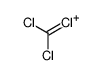
- 77777-61-8
- CCl3+
- 118.37000
- All (0)
- China (0)
- (0)

- 8013-54-5
- CHCl3
- 119.37800
- All (0)
- China (0)
- (0)

- 31717-44-9
- CHCl3
- 120.39000
- All (0)
- China (0)
- (0)
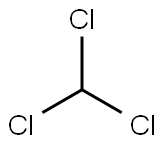
- 67-66-3
- CHCl3
- 119.38
- All (0)
- China (0)
- (0)
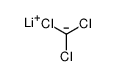
- 2146-66-9
- CCl3Li
- 125.31100
- All (0)
- China (0)
- (0)
- 61097-22-1
- CHCl3
- 120.92400
- All (0)
- China (0)
- (0)
![[14C]-Chloroform](https://chemcloud-1304660855.cos.ap-shanghai.myqcloud.com/compound/efb0eeb1f4fe47ee81daf5f97d57302d.png?imageMogr2/format/webp)
- 10307-69-4
- CHCl3
- 121.37000
- All (0)
- China (0)
- (0)
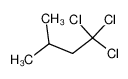
- 133733-29-6
- C5H9Cl3
- 175.48400
- All (0)
- China (0)
- (0)
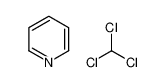
- 18675-83-7
- C6H6Cl3N
- 198.47800
- All (0)
- China (0)
- (0)
Related Products More >

- 94790-35-9
- Request For Quotation
- Plastic bottles
- 94790-35-9
- Request For Quotation
- 865-49-6
- Request For Quotation
- Bottle,barrel,cargo,container,etc.
- 865-49-6
- Request For Quotation
- 25kg drum
- 84995-63-1
- Request For Quotation
- according to the clients requirement
- 84995-63-1
- Request For Quotation
- 84995-63-1
- Request For Quotation


In practical terms, chloroform’s effects are not limited to sleep induction. It can also influence cardiovascular and respiratory systems, reducing heart rate and slowing breathing. This dual action is why its historical medical use required careful dosing and constant monitoring. Industrially, its volatility and solvency make it relevant in chemical synthesis, though exposure risks are significant. In everyday contexts, accidental or improper inhalation can produce rapid dizziness, nausea, or loss of consciousness, underscoring the compound’s potency and hazards.
The rate at which chloroform works also illustrates broader principles of pharmacokinetics and toxicology. Its rapid absorption and central nervous system impact exemplify how small molecules with high lipid solubility can act almost immediately once introduced into the body. Environmental and occupational exposure considerations further highlight the importance of ventilation, protective equipment, and strict handling protocols. Understanding these dynamics allows for safer industrial applications and informs medical historical perspectives on anesthesia, while also emphasizing the compound’s potential for harm if misused.
The physiological timeline of chloroform’s action also differs from that of other volatile anesthetics like ether or isoflurane. Ether, for instance, has a slower onset because it is less lipid-soluble, reducing its ability to cross membranes quickly, whereas isoflurane, while fast-acting, relies more on specific interactions with GABA receptors. Chloroform, in contrast, exerts its effects through a more general disruption of lipid bilayers in neuronal membranes, altering their fluidity and impairing signal transmission. This mechanism contributes to its relatively rapid but short-lived initial effects, though prolonged exposure can lead to deeper and more sustained depression. It is important to note that this rapid onset does not equate to safety; chloroform is highly toxic to the liver and kidneys due to its metabolism into reactive intermediates, a risk not as pronounced with modern anesthetics, which underscores why it is no longer used clinically.
A common misunderstanding is that chloroform’s effects are instantaneous, as often depicted in fictional contexts. In reality, even with high concentrations, the process requires time for vapor inhalation, absorption into the blood, and diffusion to the brain—seconds to minutes, not the immediate knockout sometimes portrayed. This distinction is critical in both historical and forensic contexts, where the timing of exposure is relevant to understanding its effects. Additionally, individual factors such as lung capacity, metabolic rate, and prior exposure can influence the onset; individuals with compromised respiratory function, for example, may experience delayed effects due to reduced absorption efficiency, further emphasizing that its action is not uniform across all situations.
The effects of chloroform are dose-dependent. For instance, in 19th-century surgical practices, patients inhaled chloroform-soaked cloths, often losing consciousness within 2–5 minutes. However, modern understanding highlights its narrow therapeutic index—the margin between effective and toxic doses is slim. Overexposure can lead to respiratory depression, cardiac arrhythmias, or even fatal overdose. This risk underscores why chloroform is no longer a mainstream anesthetic, replaced by safer alternatives like halothane or propofol.
In contemporary contexts, chloroform’s role is largely confined to industrial applications, such as pesticide production or laboratory synthesis. Its rapid action and potency make it hazardous if mishandled. For example, accidental inhalation in poorly ventilated labs can cause swift onset of symptoms, emphasizing the need for strict safety protocols. While its anesthetic use is obsolete, chloroform remains a cautionary example of balancing efficacy and risk in chemical applications.