


 Home
Home
People often hear about chloroform in movies or old medical stories, but how dangerous is it really? Can a small amount actually put someone in serious danger, or does it only cause mild effects like dizziness? What happens if someone inhales or accidentally swallows chloroform? Are there situations where it could be life-threatening? How quickly could it affect the body, and what makes it more risky in certain cases? Is there any safe way to be around it, or should it always be avoided?
Can Chloroform Be Fatal? Understanding the Risks
Related Encyclopedia
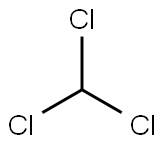
- 67-66-3
- CHCl3
- 119.38
- All (0)
- China (0)
- (0)
![[14C]-Chloroform](https://chemcloud-1304660855.cos.ap-shanghai.myqcloud.com/compound/efb0eeb1f4fe47ee81daf5f97d57302d.png?imageMogr2/format/webp)
- 10307-69-4
- CHCl3
- 121.37000
- All (0)
- China (0)
- (0)
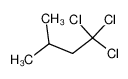
- 133733-29-6
- C5H9Cl3
- 175.48400
- All (0)
- China (0)
- (0)
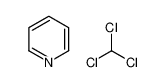
- 18675-83-7
- C6H6Cl3N
- 198.47800
- All (0)
- China (0)
- (0)
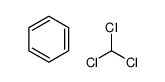
- 18675-92-8
- C7H7Cl3
- 197.48900
- All (0)
- China (0)
- (0)
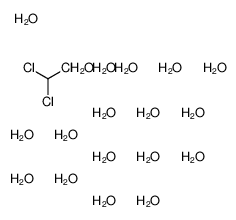
- 61414-06-0
- CH37Cl3O18
- 443.65300
- All (0)
- China (0)
- (0)
![[3H]chloroform](https://chemcloud-1304660855.cos.ap-shanghai.myqcloud.com/compound/b5c04ab84ae34a36a282ea79d69e10fb.png?imageMogr2/format/webp)
- 38024-32-7
- CCl3T
- 121.38600
- All (0)
- China (0)
- (0)
- 73506-42-0
- CCl4O4
- 217.82000
- All (0)
- China (0)
- (0)
- 32955-16-1
- C3H4Cl3N
- 160.43000
- All (0)
- China (0)
- (0)
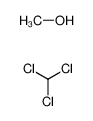
- 7285-11-2
- C2H5Cl3O
- 151.41900
- All (0)
- China (0)
- (0)
Related Products More >

- 93-46-9
- CNY 4500.0000
- 1ton
- 71902-18-6
- Request For Quotation
- 25kg
- 71902-18-6
- Request For Quotation
- 1ton
- 71902-18-6
- Request For Quotation
- 1ton
- 71902-18-6
- Request For Quotation
- 25kg
- 5601-29-6
- Request For Quotation
- 25kg
- 12226-82-3
- Request For Quotation
- 25kg
- 12226-82-3
- Request For Quotation
- 1ton


The lethality of chloroform depends on factors such as exposure duration, concentration, and individual susceptibility. In industrial or laboratory settings, accidental inhalation of concentrated vapors has resulted in fatalities due to rapid onset of systemic effects. A historical example includes its use as an anesthetic in the 19th century, where improper dosing occasionally led to patient deaths. Even today, misuse in criminal contexts—such as forced inhalation—can prove deadly, as the line between sedation and toxicity is narrow.
Beyond acute effects, chronic exposure to chloroform poses risks like liver and kidney damage, compounding its potential harm. Environmental exposure through contaminated water or air, though rarely lethal, can contribute to long-term health deterioration. Regulatory agencies like the EPA classify chloroform as a probable human carcinogen, emphasizing its multifaceted dangers. Understanding these properties underscores the importance of handling chloroform with stringent safety protocols, whether in research, industry, or medical applications.
The fatal potential of chloroform is closely tied to its dose and route of exposure. Inhalation, the most common route, allows chloroform to enter the bloodstream rapidly through the lungs, where it exerts its effects on the central nervous system, causing depression that can progress to respiratory failure. Even small amounts can induce dizziness and confusion, but higher concentrations—typically exceeding 1000 parts per million in air for extended periods—can suppress the respiratory center in the brainstem, leading to cessation of breathing. Ingestion poses similar risks, with lethal doses in humans estimated to be around 10 to 20 milliliters, though variability exists based on factors like body weight and individual tolerance. Unlike some anesthetics that are metabolized into less harmful byproducts, chloroform’s breakdown into phosgene amplifies its toxicity, making it more dangerous than compounds that do not produce such reactive intermediates.
A common misconception is that chloroform’s only danger lies in its anesthetic effects, but its systemic toxicity is far more insidious. While it was once used medically as an anesthetic, its narrow therapeutic index—meaning the difference between a therapeutic dose and a lethal one is small—combined with its hepatotoxic and nephrotoxic properties led to its replacement by safer alternatives like halothane. Another misunderstanding is that brief exposure is harmless; even short-term contact with high concentrations can cause acute respiratory distress, and repeated low-level exposure may lead to chronic liver or kidney damage over time. This distinguishes it from less toxic volatile organic compounds, which may cause irritation but lack the same potential for severe organ damage or rapid fatality.
Understanding chloroform’s toxicity is crucial in fields such as environmental science, where it can be a byproduct of water chlorination, and forensic toxicology, where it may be involved in cases of poisoning. Its presence in groundwater or air requires monitoring to prevent human exposure, as its persistence in the environment and ability to bioaccumulate add to its hazardous profile. In industrial settings, strict handling protocols are necessary to limit inhalation and skin contact, emphasizing the importance of recognizing its lethal potential beyond its historical use as an anesthetic. This knowledge also helps in differentiating chloroform from other halogenated compounds, some of which are used safely in industrial processes due to their more stable metabolic pathways and lower toxicity.
In industrial and laboratory contexts, chloroform has been used for its solvent properties in organic synthesis, extraction processes, and chemical research. While modern safety regulations strictly limit exposure, accidental inhalation or improper handling can still pose serious health hazards. Chronic exposure, even at lower levels, may lead to liver and kidney damage, highlighting the compound’s systemic toxicity. Its ability to accumulate in fatty tissues can prolong its physiological effects, making it both insidious and potentially fatal if not managed carefully.
From a physiological perspective, chloroform exerts its toxicity through multiple pathways. It interferes with electrical conduction in cardiac tissue, depresses the respiratory center in the brainstem, and can cause direct cellular damage via metabolic byproducts. These mechanisms explain why fatalities can occur with relatively brief exposure and why medical intervention is time-sensitive. In medical history, chloroform was replaced by safer anesthetics due to these inherent dangers, demonstrating the critical balance between therapeutic use and lethal potential.
Understanding chloroform’s broader significance involves considering its role beyond clinical settings. Environmental contamination, accidental spills, or misuse can have acute and chronic health implications, making awareness and safety protocols essential. Its chemical behavior, coupled with its potent biological effects, exemplifies how even a seemingly simple compound can present complex challenges across chemistry, toxicology, and public health, underscoring the necessity of careful handling in all contexts.