


 Home
Home
People often hear in movies that a person can be knocked out by inhaling chloroform. But is this really true? How does chloroform work on the human body, and does it really make someone fall asleep quickly? Is it safe or dangerous if someone breathes it in? How long would it take for chloroform to affect a person, and what happens to the body during this process? Could it really make someone lose consciousness like in the movies?
Does Chloroform Put You to Sleep?
Related Encyclopedia

- 14478-07-0
- CCl3
- 118.37000
- All (0)
- China (0)
- (0)
- 77777-61-8
- CCl3+
- 118.37000
- All (0)
- China (0)
- (0)

- 8013-54-5
- CHCl3
- 119.37800
- All (0)
- China (0)
- (0)

- 31717-44-9
- CHCl3
- 120.39000
- All (0)
- China (0)
- (0)
- 67-66-3
- CHCl3
- 119.38
- All (0)
- China (0)
- (0)
- 2146-66-9
- CCl3Li
- 125.31100
- All (0)
- China (0)
- (0)
- 61097-22-1
- CHCl3
- 120.92400
- All (0)
- China (0)
- (0)
![[14C]-Chloroform](https://chemcloud-1304660855.cos.ap-shanghai.myqcloud.com/compound/efb0eeb1f4fe47ee81daf5f97d57302d.png?imageMogr2/format/webp)
- 10307-69-4
- CHCl3
- 121.37000
- All (0)
- China (0)
- (0)
- 133733-29-6
- C5H9Cl3
- 175.48400
- All (0)
- China (0)
- (0)
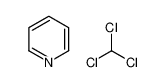
- 18675-83-7
- C6H6Cl3N
- 198.47800
- All (0)
- China (0)
- (0)
Related Products More >

- 94790-35-9
- Request For Quotation
- Plastic bottles
- 94790-35-9
- Request For Quotation
- 865-49-6
- Request For Quotation
- Bottle,barrel,cargo,container,etc.
- 865-49-6
- Request For Quotation
- 25kg drum
- 84995-63-1
- Request For Quotation
- according to the clients requirement
- 84995-63-1
- Request For Quotation
- 84995-63-1
- Request For Quotation
- 7693-46-1
- Request For Quotation
- 25kg/drum


Back in the 1800s, doctors used chloroform to help people during surgery, but they stopped because it was risky and caused many deaths. Today, it’s never used for putting people to sleep because there are safer drugs. If someone were to use chloroform now, it wouldn’t be a gentle nap—it could be life-threatening. That’s why it’s mostly seen in fiction, not real life.
In practice, chloroform’s effects are dose-dependent. Low concentrations may cause dizziness or mild sedation, while higher exposure can rapidly render a person unconscious. For example, in the 19th century, it was used during surgeries to alleviate pain, but its unpredictable potency and potential to cause fatal respiratory depression led to its replacement by safer alternatives. Outside medical contexts, its misuse in criminal settings—often exaggerated in popular media—exploits its rapid onset, though achieving controlled, non-lethal effects is practically difficult.
The compound’s volatility allows it to act quickly when inhaled, crossing the blood-brain barrier within minutes. Yet, its interaction with cellular membranes and proteins can also trigger adverse effects like liver damage or cardiac arrhythmias. Modern anesthetics, such as sevoflurane, replicate chloroform’s desirable effects without the same risks, leveraging more selective molecular interactions. Chloroform’s legacy persists in forensic and industrial applications, but its role in human sedation remains a cautionary tale of balancing efficacy and safety.
Its mechanism differs distinctively from that of common sleep-inducing agents like benzodiazepines or barbiturates, which primarily target specific GABA receptor subtypes with more selective binding. Chloroform, in contrast, has a broader, less specific impact on cellular membranes and multiple neurotransmitter pathways, contributing to its more unpredictable and potent effects. This lack of selectivity also means it carries significantly higher risks, including respiratory depression, cardiac arrhythmias, and liver toxicity, which have rendered it obsolete in modern medical practice despite its historical use as an anesthetic.
One frequent misunderstanding is equating chloroform’s sedative action to natural sleep; in reality, the state induced is a pharmacologically induced coma, lacking the cyclical patterns of REM and non-REM sleep that are critical for physiological restoration. Another misconception is assuming its effects are easily controlled; even small doses can lead to sudden loss of consciousness, and overdoses often result in fatal respiratory failure, making its use outside of highly controlled, historical contexts extremely dangerous.
The compound’s volatility—evaporating quickly at room temperature—means that its effects are almost entirely dependent on inhalation dosage and duration of exposure. Unlike oral hypnotics, which have a more gradual onset and predictable metabolism, chloroform’s action is immediate but short-lived once exposure ceases, though residual toxicity can persist in bodily tissues. This unique pharmacokinetic profile, combined with its high toxicity, underscores why it has been replaced by safer anesthetics and why its non-medical use is universally cautioned against.
The mechanism is rooted in its lipophilic nature, allowing it to dissolve into cell membranes and alter ion channel activity. By modifying the activity of GABA receptors, chloroform effectively reduces neuronal excitability. However, its effects extend beyond the brain. At high doses, it suppresses respiratory and cardiac function by acting on the medulla and myocardium, posing a serious risk of respiratory arrest or fatal arrhythmias. This makes the margin between sedation and death dangerously narrow, which is why it is no longer used clinically despite its early adoption in 19th-century surgery.
Outside the medical domain, chloroform has industrial relevance in producing refrigerants, fluorocarbons, and certain pharmaceuticals. Yet its toxicity and potential as a carcinogen have led to strict regulation. Its misuse in crime fiction—where characters are rendered unconscious instantly—creates a misleading perception. In reality, inducing unconsciousness takes several minutes of continuous inhalation and careful dosing, which is impractical and hazardous. The compound’s impact illustrates the intersection of chemistry, physiology, and ethics, highlighting why advances in safer anesthetics replaced it and why understanding its real properties remains important for both science and public safety.