


 Home
Home
Many people experience nerve pain that can feel sharp, burning, or numb. Some look for natural ways to ease this discomfort and wonder if essential oils can help. But with so many options out there, which essential oil works best for nerve pain? Are there specific oils known for calming nerve discomfort, and how should they be used safely? What makes certain oils better than others for this kind of pain? How can someone tell if an essential oil might actually help or not?
What Is the Best Essential Oil for Nerve Pain Relief?
Related Encyclopedia

- 78-70-6
- C10H18O
- 154.25
- All (21)
- China (1)
- (21)

- 126-91-0
- C10H18O
- 154.25
- All (5)
- China (2)
- (5)
- 1214906-07-6
- C10H20O
- 156.26500
- All (28)
- China (25)
- (28)

- 15356-70-4
- C10H20O
- 156.27
- All (25)
- China (10)
- (25)
- 1181819-05-5
- C10H20O
- 156.26500
- All (25)
- China (10)
- (25)
- 566916-97-0
- C17H23NO4
- 305.36900
- All (25)
- China (10)
- (25)
- 15356-60-2
- C10H20O
- 156.27
- All (6)
- China (2)
- (6)
- 464-48-2
- C10H16O
- 152.23
- All (3)
- China (0)
- (3)
- 76-22-2
- C10H16O
- 152.23
- All (66)
- China (1)
- (66)
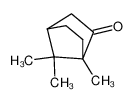
- 787517-91-3
- C10H16O
- 152.23300
- All (66)
- China (1)
- (66)
Related Products More >

- CNY Request For Quotation
- CNY Request For Quotation
- CNY Request For Quotation
- CNY Request For Quotation
- CNY Request For Quotation
- CNY Request For Quotation
- CNY Request For Quotation
- CNY Request For Quotation


Lavender oil is another essential oil often highlighted due to its multifaceted properties. It contains linalool and linalyl acetate, compounds known for their anti-inflammatory, anxiolytic, and mild analgesic effects. These constituents can modulate central nervous system activity by influencing neurotransmitter systems such as GABAergic pathways, potentially reducing the emotional and sensory perception of nerve pain. The combined effect of relaxation and inflammation reduction contributes to its efficacy in managing neuropathic discomfort.
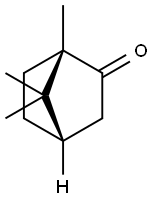
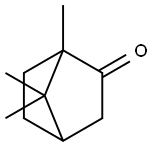
Eucalyptus oil, with its main component eucalyptol, exhibits anti-inflammatory and vasodilatory properties that may enhance local blood circulation and decrease inflammatory mediators around nerve tissues. This can help alleviate nerve compression or irritation contributing to pain. Additionally, rosemary oil, containing cineole and camphor, has been recognized for its ability to stimulate circulation and modulate pain signaling pathways through its interaction with opioid receptors and TRP channels.
From an interdisciplinary standpoint, these essential oils bridge traditional herbal medicine and modern neuroscience. Their chemical constituents act on multiple molecular targets that influence nerve excitability, inflammation, and psychological states, reflecting a complex interplay between physiological and biochemical systems. In daily life and clinical contexts, essential oils are often used in diluted form with carrier oils to avoid dermal irritation, applied topically to affected areas, or diffused for inhalation to engage both peripheral and central mechanisms of pain modulation.
Understanding the full potential of essential oils in nerve pain management involves appreciating their chemical complexity and multifaceted biological interactions. While they are not substitutes for conventional medical treatments, their integration offers a complementary approach that addresses both the sensory and emotional components of neuropathic pain, reflecting an evolving landscape where natural products intersect with neurobiological science.
Another potent option is lavender oil, which works through a different mechanism, influencing both the nervous system and inflammatory responses. Its compounds, including linalool and linalyl acetate, have properties that calm overactive nerve endings and reduce swelling, which often exacerbates nerve pain. This makes it particularly useful for pain related to minor injuries or chronic conditions like fibromyalgia. A few drops added to a warm bath or gently massaged into the affected area can ease tension, making it easier to manage discomfort during periods of increased stress, which often worsens nerve-related symptoms.
Frankincense oil, with its boswellic acids, targets inflammation at a cellular level, preventing the release of substances that irritate nerves. This makes it effective for long-term management of conditions where persistent inflammation damages nerve tissue, such as diabetic neuropathy. When used regularly in a carrier oil blend, it can slow the progression of discomfort, allowing individuals to maintain more consistent mobility and reduce reliance on other pain management methods. For someone with tingling in the hands or feet, a nightly application might gradually reduce the frequency of painful flare-ups, improving overall quality of life.
Lavender essential oil, derived from Lavandula angustifolia, contains linalool and linalyl acetate as its primary constituents. These monoterpenoids exert anxiolytic and analgesic effects by modulating gamma-aminobutyric acid (GABA) receptors in the central nervous system, thereby reducing neuronal excitability. The significance of this mechanism lies in its ability to dampen hyperactive pain pathways without the sedative side effects commonly associated with synthetic GABAergic drugs. Unlike topical analgesics that rely on counterirritation or local anesthesia, lavender’s mode of action addresses both the sensory and affective components of pain perception.
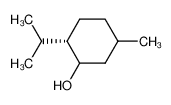
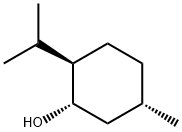
Peppermint essential oil, rich in menthol, operates through a distinct physiological process. Menthol acts as a transient receptor potential melastatin 8 (TRPM8) agonist, producing a cooling sensation that overrides pain signals at the spinal cord level. This gate-control theory application differentiates peppermint from capsaicin-based products, which desensitize nociceptors through TRPV1 activation. The engineering principle underlying peppermint’s efficacy involves its volatility, enabling rapid transdermal absorption and systemic distribution via inhalation, a property absent in non-volatile analgesics like diclofenac.
A common misconception equates essential oils with simple fragrances, overlooking their bioactive complexity. For instance, chamomile oil contains bisabolol and chamazulene, which inhibit cyclooxygenase-2 (COX-2) and 5-lipoxygenase enzymes, reducing prostaglandin and leukotriene synthesis. This anti-inflammatory action targets peripheral sensitization, a key contributor to neuropathic pain, whereas fragrances like citronella lack such pharmacological specificity. The distinction between therapeutic and aromatic oils hinges on standardized extraction methods preserving bioactive compound concentrations, a criterion often absent in commercial perfumery products.
Another area of confusion involves the assumption that all essential oils with analgesic properties function identically. Eucalyptus oil, dominated by 1,8-cineole, exhibits anti-neuroinflammatory effects by suppressing microglial activation in the dorsal horn of the spinal cord. This mechanism addresses central sensitization, a hallmark of chronic neuropathic pain, contrasting with the peripheral vasodilation induced by rosemary oil’s camphor content. The diversity in molecular targets underscores the importance of matching specific essential oils to individual pain etiologies rather than adopting a one-size-fits-all approach.
The engineering challenges in formulating essential oil-based therapies include optimizing carrier systems for sustained release and ensuring stability of labile compounds like chamazulene. Microencapsulation techniques using lipid nanoparticles or cyclodextrins can protect these molecules from degradation while enhancing bioavailability. Such innovations distinguish professionally developed essential oil formulations from crude plant extracts, which suffer from inconsistent potency and rapid evaporation of volatile components. This technological aspect is often overlooked in lay discussions about essential oil efficacy.
In clinical applications, the choice of essential oil must consider contraindications and drug interactions. For example, patients on anticoagulants should avoid wintergreen oil due to its methyl salicylate content, which poses bleeding risks. Similarly, individuals with epilepsy might require caution when using rosemary oil, as its 1,8-cineole can lower the seizure threshold in susceptible populations. These safety considerations highlight the necessity of consulting healthcare professionals before integrating essential oils into pain management regimens, a precaution rarely emphasized in non-expert sources.
The molecular diversity within essential oils also necessitates understanding synergistic interactions. Combining lavender and peppermint oils may enhance analgesia through complementary mechanisms: lavender’s GABAergic modulation paired with peppermint’s TRPM8 activation. This polypharmacy approach mirrors combinatorial drug therapies but relies on natural product chemistry rather than synthetic multi-target ligands. The challenge lies in quantifying optimal ratios to avoid antagonistic effects, a task requiring rigorous phytochemical analysis and pharmacokinetic modeling.
A critical distinction exists between essential oils and fixed oils derived from the same plant. For instance, while hemp seed oil contains beneficial fatty acids, it lacks the cannabinoids present in hemp essential oil obtained through steam distillation. This discrepancy arises because cannabinoids are non-volatile compounds concentrated in the plant’s resinous trichomes, whereas essential oils capture volatile terpenes and phenols. Misunderstanding these extraction principles leads to inappropriate product selection for nerve pain relief.
The role of terpenoid diversity in essential oil efficacy cannot be overstated. Myrcene, found in lemongrass oil, potentiates GABA-A receptors similarly to linalool but with greater affinity for extrasynaptic receptors involved in tonic inhibition. This subtle difference in receptor subtype selectivity may explain varying efficacies in treating different neuropathic pain subtypes, such as allodynia versus hyperalgesia. Such nuances underscore the importance of precise botanical identification and chemical profiling in essential oil research.
Finally, the placebo effect often confounds assessments of essential oil efficacy. However, the neurobiological basis for placebo-induced analgesia involves endogenous opioid release and dopamine signaling in reward pathways, mechanisms distinct from the pharmacological actions of essential oil constituents. Disentangling these effects requires double-blind, placebo-controlled trials with validated outcome measures, a standard rarely met in anecdotal reports of essential oil benefits. Recognizing this distinction helps frame essential oil therapies within evidence-based medicine frameworks while acknowledging their potential as adjunctive treatments.