


 Home
Home
People often hear that rose hip oil is good for the skin, but what exactly does it do? How does this natural oil help improve skin health or appearance? Can it help with common issues like dryness, scars, or wrinkles? What makes rose hip oil special compared to other oils? Is it suitable for all skin types? Many wonder how it works and what benefits they can expect from using rose hip oil regularly on their skin.
What Does Rose Hip Oil Do for Skin? Understanding Its Benefits
Related Encyclopedia

- 67701-08-0
- C18H34O2
- 282.46100
- All (0)
- China (0)
- (0)

- 67701-03-5
- C34H68O4
- 540.90132
- All (0)
- China (0)
- (0)

- 61788-66-7
- 0.00000
- All (0)
- China (0)
- (0)
- 67784-82-1
- (C3H8O3
- 0
- All (2)
- China (2)
- (2)
- 61789-31-9
- 0
- All (6)
- China (6)
- (6)
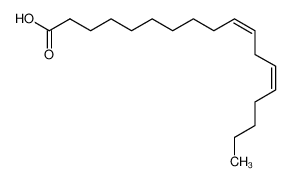
- 5027-60-1
- C18H32O2
- 280.44500
- All (25)
- China (7)
- (25)

- 60-33-3
- C18H32O2
- 280.45
- All (25)
- China (7)
- (25)
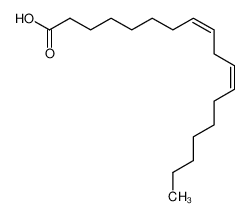
- 4906-90-5
- C18H32O2
- 280.44500
- All (25)
- China (7)
- (25)

- 68-26-8
- C20H30O
- 286.45
- All (33)
- China (9)
- (33)

- 11103-57-4
- C20H30O
- 286.46
- All (33)
- China (9)
- (33)
Related Products More >

- CNY Request For Quotation
- CNY Request For Quotation
- CNY Request For Quotation
- CNY Request For Quotation
- CNY Request For Quotation
- CNY Request For Quotation
- 68-26-8
- USD 10.0000
- 25kg
- 60-33-3
- USD 30.0000
- 25kg


The oil’s antioxidant activity is another critical mechanism, attributed to carotenoids (e.g., beta-carotene) and tocopherols (vitamin E), which neutralize reactive oxygen species (ROS) generated by UV exposure or pollution. This differs from synthetic antioxidants like butylated hydroxytoluene (BHT), which lack the synergistic effects of natural phytonutrient complexes. Additionally, rose hip oil contains trans-retinoic acid, a metabolite of vitamin A, which binds to retinoic acid receptors (RARs) in keratinocytes and fibroblasts. This interaction stimulates collagen synthesis, inhibits matrix metalloproteinases (MMPs) that degrade collagen, and accelerates epidermal turnover—processes distinct from over-the-counter retinol, which requires enzymatic conversion to retinoic acid and thus has lower bioavailability.
A common misconception is that rose hip oil’s benefits are solely due to its vitamin C content. While the fruit pulp of Rosa canina is rich in ascorbic acid, the oil itself contains negligible amounts, as vitamin C is water-soluble and not extracted during cold-pressing. Instead, its skin-brightening effects are linked to lycopene and lutein, carotenoids that inhibit tyrosinase activity, reducing melanin synthesis. This mechanism contrasts with hydroquinone, a synthetic tyrosinase inhibitor with potential cytotoxic effects on melanocytes. Furthermore, rose hip oil’s low comedogenic rating (typically 1–2 on a 0–5 scale) makes it suitable for acne-prone skin, whereas heavier oils like argan or marula (with higher oleic acid content) may exacerbate congestion by disrupting the skin’s pH and lipid balance.
From an engineering perspective, the extraction method significantly impacts the oil’s efficacy. Cold-pressed rose hip oil retains more bioactive compounds than solvent-extracted variants, as heat and chemicals degrade PUFAs and antioxidants. Supercritical CO2 extraction, though costlier, yields the highest concentration of trans-retinoic acid and carotenoids by operating at low temperatures and eliminating oxidative stress. Stability is another challenge: PUFAs are prone to lipid peroxidation, which generates malondialdehyde (MDA), a pro-inflammatory compound. To mitigate this, manufacturers often add rosemary extract or vitamin E as natural preservatives, distinguishing high-quality formulations from those relying on synthetic parabens.
In clinical practice, rose hip oil is often compared to squalane, a hydrogenated olive oil derivative. While both are emollients, squalane lacks the antioxidant and retinoid-like properties of rose hip oil, making it more suitable for purely hydrating purposes. Conversely, rose hip oil’s multifaceted action—addressing hydration, inflammation, hyperpigmentation, and photoaging—positions it as a versatile adjunct in dermatological regimens, particularly for mature or post-inflammatory hyperpigmented skin. However, its efficacy depends on consistent use, as the skin’s turnover cycle requires 4–6 weeks to manifest visible improvements, and overapplication may lead to follicular occlusion in oily skin types.
From a biochemical perspective, the retinoid-related components in rose hip oil support cell turnover and stimulate collagen synthesis, processes essential for maintaining skin elasticity and reducing visible signs of aging such as fine lines and wrinkles. The antioxidant content helps neutralize free radicals generated by environmental stressors like UV radiation and pollution, thus protecting skin cells from oxidative damage. This protective effect contributes not only to improved skin texture and tone but also to mitigating hyperpigmentation and scarring. The presence of vitamin C precursors further enhances collagen production and skin brightness by influencing melanin synthesis pathways and promoting wound healing.
In practical applications, rose hip oil’s lightweight, non-comedogenic nature allows for effective topical use across various skin types, including sensitive and acne-prone skin. It is frequently incorporated in dermatological and cosmetic formulations aimed at moisturizing, anti-aging, and scar treatment. The oil’s biochemical properties align with its therapeutic use in managing conditions characterized by skin barrier disruption and inflammation. Beyond personal care, the oil’s antioxidative and anti-inflammatory characteristics also extend its relevance to broader biomedical contexts, including tissue regeneration research and potential adjunctive therapy in dermatological disorders.
Understanding rose hip oil’s physicochemical attributes—such as its stability, absorption kinetics, and interaction with skin lipids—provides insight into its efficacy and informs optimal formulation strategies. Its role transcends cosmetic appeal, reflecting a convergence of natural product chemistry, skin physiology, and applied dermatology. The interdisciplinary exploration of rose hip oil elucidates how natural bioactives can be harnessed to support skin homeostasis and health in both everyday care and clinical settings.
Beyond hydration, the oil contains trans-retinoic acid, a form of vitamin A that penetrates the epidermis to encourage cell turnover. As old, dull skin cells shed, newer, healthier ones emerge, which can fade the appearance of post-inflammatory hyperpigmentation from past acne or sun exposure. A person dealing with lingering dark spots from a summer breakout might notice a gradual brightening after consistent use, as the increased turnover helps disperse melanin more evenly.
Antioxidants like vitamin C and vitamin E in rose hip oil work to neutralize free radicals, unstable molecules generated by UV radiation and pollution that damage collagen fibers. By protecting these fibers, the oil supports the skin’s elasticity, which can minimize the look of fine lines around the eyes or mouth. Someone who spends long hours outdoors might find that incorporating the oil into their evening routine helps counteract the day’s environmental stressors, keeping skin looking firmer over time.
The oil’s lightweight texture allows it to absorb quickly, making it suitable for various skin types, including combination skin that tends to be oily in some areas and dry in others. Unlike heavier oils, it doesn’t leave a greasy residue, so it can be used under moisturizers or even makeup without causing shine. A person with combination skin might apply a few drops to their cheeks and forehead each night, finding that it balances dryness without exacerbating oiliness in the T-zone.