


 Home
Home
Hello, I’m curious if using cocoa butter can help fade dark spots on my skin. Does it affect pigmentation or just hydrate? What are better options for treating hyperpigmentation safely?
Does Cocoa Butter Help with Dark Spots or Improve Hyperpigmentation?
Related Encyclopedia
- 8002-31-1
- 0
- All (10)
- China (6)
- (10)
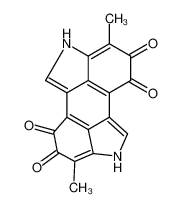
- 8049-97-6
- C18H10N2O4
- 318.28300
- All (0)
- China (0)
- (0)

- 67701-08-0
- C18H34O2
- 282.46100
- All (0)
- China (0)
- (0)

- 67701-03-5
- C34H68O4
- 540.90132
- All (0)
- China (0)
- (0)

- 61788-66-7
- 0.00000
- All (0)
- China (0)
- (0)
- 67784-82-1
- (C3H8O3
- 0
- All (2)
- China (2)
- (2)
- 61789-31-9
- 0
- All (6)
- China (6)
- (6)
- 86403-32-9
- 0
- All (1)
- China (1)
- (1)
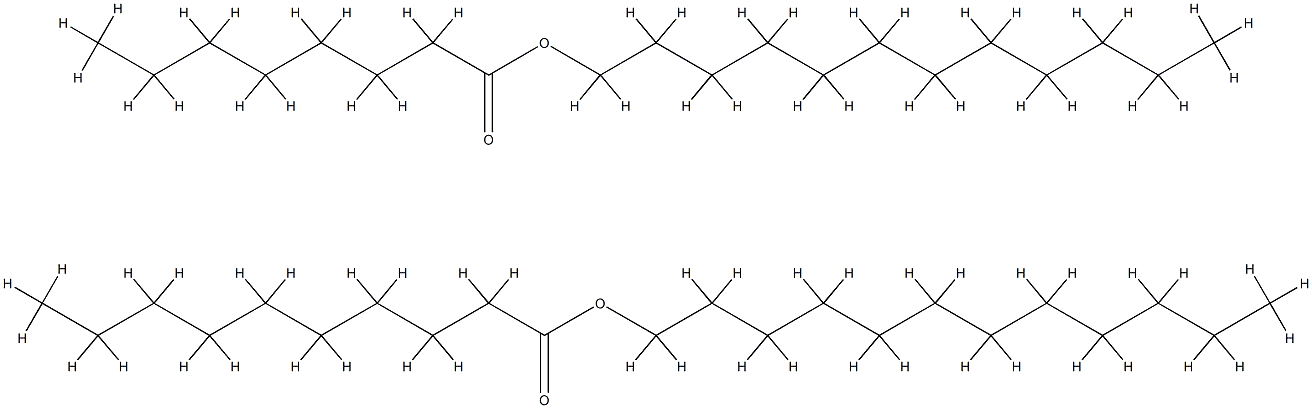
- 95912-86-0
- C42H84O4
- 653.11396
- All (1)
- China (1)
- (1)
- 68410-23-1
- 0
- All (2)
- China (0)
- (2)
Related Products More >

- 95912-86-0
- Request For Quotation
- 220L/drum
- 93348-22-2
- Request For Quotation
- 25KG/50KG/1000KG
- 93348-22-2
- Request For Quotation
- 25kg/Cardboard Drum
- 92044-87-6
- Request For Quotation
- 91995-81-2
- Request For Quotation
- 25
- 91995-81-2
- Request For Quotation
- 190kg/drum
- 91995-81-2
- Request For Quotation
- Bottle,barrel,cargo,container,etc.
- 91995-81-2
- Request For Quotation
- 200kgs net plastic drum.


Dark spots, or hyperpigmentation, result from an overproduction of melanin triggered by factors such as sun exposure, inflammation, or hormonal changes. Cocoa butter is rich in fatty acids like stearic and oleic acid, which provide deep hydration and help repair the skin barrier, promoting overall skin health and smoothness. However, it lacks active compounds known to inhibit melanin production or promote skin lightening, such as hydroquinone, niacinamide, or vitamin C derivatives.
From a physiological perspective, moisturizing the skin can improve its appearance and texture, potentially making dark spots less noticeable over time. However, cocoa butter itself does not interfere with the enzymatic pathways of melanogenesis or accelerate skin cell turnover, which are essential processes for reducing pigmentation.
Clinically, cocoa butter is often recommended to maintain healthy skin and prevent dryness or irritation, which can sometimes worsen pigmentation if left untreated. For effective treatment of dark spots, dermatologists typically suggest products containing targeted ingredients like retinoids, azelaic acid, or chemical exfoliants. Sun protection with broad-spectrum sunscreen is crucial in preventing further darkening.
If you prefer natural products, ingredients such as licorice extract, kojic acid, and alpha arbutin are better supported by research for lightening pigmentation than cocoa butter.
From a chemical standpoint, cocoa butter does not contain any active compounds that directly affect melanin synthesis or breakdown. Melanin, the pigment responsible for dark spots, is produced via enzymatic oxidation reactions catalyzed by tyrosinase in skin cells. Cocoa butter’s triglycerides do not participate in or inhibit these biochemical pathways, nor do they interact chemically with melanin.
Its main chemical role when applied to the skin is to act as an occlusive agent. Because of its hydrophobic nature and stable molecular structure, cocoa butter forms a protective barrier that prevents water loss through the skin, helping maintain hydration and improve skin texture. This improved hydration can enhance the overall appearance of the skin, but it does not chemically lighten dark spots or influence pigmentation pathways.
In industrial and cosmetic applications, cocoa butter’s stability and melting point near human body temperature (~34–38°C) make it a valuable ingredient in moisturizers and creams. However, any observed improvement in skin tone after use is due to moisturizing effects and not a chemical alteration of pigmentation.
In experimental contexts, cocoa butter’s resistance to oxidation under typical conditions demonstrates its chemical stability, but exposure to light and air over time can slowly degrade unsaturated fatty acids, altering its properties slightly.
First, source matters. Pure, unprocessed cocoa butter is safer than versions with added ingredients like fragrances, preservatives, or essential oils—these can irritate a dog’s sensitive skin. How you apply it counts too: A thin layer on dry paws might be okay, but slathering it on large areas can make fur greasy, trap dirt, or clog pores.
Dog differences play a role, too. Puppies or dogs with skin conditions (like allergies or hot spots) are more likely to react. Breeds with thick fur (think Golden Retrievers) may get matting from the oil, while short-haired dogs might just end up with sticky skin.
Common myths? Myth 1: “It’s natural, so it’s always safe.” Natural doesn’t equal dog-friendly—many plants are natural but toxic! Myth 2: “It works as well for dogs as it does for humans.” Dogs’ skin has a different pH balance, so what hydrates us can upset theirs.
Family-friendly tips:
Stick to dog-specific products (like paw balms) designed for their skin and safe if licked.
If you use cocoa butter, test a tiny spot on their paw first. Wait 24 hours—no redness? Then a thin layer is okay, but wipe excess off to prevent licking.
For dry paws, try a warm cloth wipe followed by a dog-safe balm. It’s gentler and less messy than cocoa butter.
Imagine your dark spots are like ink stains on a table. Cocoa butter is like a soft cloth rubbing the stain daily—it’ll slowly lighten it, but won’t erase it completely. Why? Dark spots are caused by excess melanin (skin pigment), and cocoa butter doesn’t have strong ingredients to break that down. But its fatty acids can improve skin hydration and texture, making spots look less noticeable over weeks. ?️?
Quick fix: Pair cocoa butter with a vitamin C serum or niacinamide cream (both proven to tackle dark spots). Apply the serum first, let it sink in, then massage cocoa butter on top to lock in moisture and boost glow. ??
Why it works: Cocoa butter’s emollient properties soften skin and create a smooth canvas, while vitamin C/niacinamide directly target pigment. Together, they’re like a 1-2 punch: one fades the spot, the other makes your skin look healthier overall. For faster results, add sunscreen daily—UV rays worsen dark spots! ☀️?️