


 Home
Home
Hi, I’d like to ask: Is it dangerous if my dog licks a skincare product that contains cocoa butter? What if they accidentally ingest a small amount — could it be toxic? Are there any safer moisturizing alternatives you would recommend for use on or around dogs?
Can dogs have cocoa butter, or is it a hidden danger in skincare and treats?
Related Encyclopedia

- 194043-92-0
- 0.00000
- All (0)
- China (0)
- (0)
- 8002-31-1
- 0
- All (10)
- China (6)
- (10)
- 8001-31-8
- N/A
- 0
- All (37)
- China (5)
- (37)

- 83-67-0
- C7H8N4O2
- 180.16
- All (10)
- China (10)
- (10)
- 61788-47-4
- C19H21NO5
- 0
- All (8)
- China (0)
- (8)
- 16277-71-7
- C5H12O5
- 152.15
- All (83)
- China (23)
- (83)
- 87-99-0
- C5H12O5
- 152.15
- All (83)
- China (23)
- (83)

- 117490-40-1
- C7H2D6N4O2
- 0
- All (0)
- China (0)
- (0)
- 552-62-5
- C6H6N4O2
- 166.14
- All (0)
- China (0)
- (0)
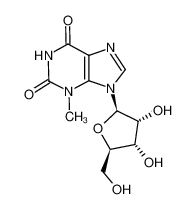
- 3080-28-2
- C11H14N4O6
- 298.25200
- All (6)
- China (4)
- (6)
Related Products More >

- CNY Request For Quotation
- CNY Request For Quotation
- CNY Request For Quotation
- 87-99-0
- CNY 4.3000
- 25kg
- 93703-24-3
- Request For Quotation
- 87-99-0
- Request For Quotation
- 25
- 87-99-0
- Request For Quotation
- 1kg/aluminium foil bag
- 87-99-0
- Request For Quotation
- 25kg/package


Cocoa butter, derived from cocoa beans, contains trace levels of theobromine—a methylxanthine also found in chocolate. While the concentration of theobromine in pure cocoa butter is generally lower than in dark chocolate, it can still pose health risks to dogs depending on their size, breed, and sensitivity. Dogs metabolize theobromine much more slowly than humans, leading to its accumulation in their system and increasing the risk of toxicity.
Theobromine acts as a stimulant on the canine central nervous system and cardiovascular system. Clinical signs of toxicity include restlessness, vomiting, diarrhea, elevated heart rate, muscle tremors, and in severe cases, seizures or death. While some pet owners may believe cocoa butter is safe when used topically, ingestion—whether accidental (e.g., from licking skincare products) or intentional—can result in gastrointestinal distress or more serious systemic reactions. Moreover, many cocoa butter products are blended with other ingredients like essential oils, fragrances, or artificial sweeteners (such as xylitol), which may pose additional toxic risks.
From a veterinary standpoint, it is safest to avoid giving dogs any product that contains cocoa butter, especially if they are small or have preexisting heart conditions. If exposure occurs, especially via ingestion, prompt veterinary attention is advised—even if symptoms are not yet visible. Activated charcoal and intravenous fluids may be used as part of the treatment for theobromine poisoning.
As a safer alternative for moisturizing a dog’s skin or paws, consider using pet-safe products such as virgin coconut oil, shea butter (in moderation), or veterinary-formulated balms. These options lack methylxanthines and are generally well-tolerated when applied in small amounts. Pet owners should also store cocoa-containing skincare or food items securely out of reach and monitor pets closely around personal care products.
What affects its impact? Cocoa butter comes from cocoa beans, often in lotions, balms, or even some dog treats. How much your dog ingests matters: A tiny taste from your lip balm is unlikely to cause issues, but a big chunk (like a whole lotion bar) could upset their stomach. Some dogs are more sensitive too—puppies, seniors, or those with pancreatitis are at higher risk of vomiting or diarrhea from its high fat content.
Common myths? Myth 1: “If it’s natural, it’s safe for dogs.” Not true—many natural substances (like certain essential oils) don’t agree with pups, and cocoa butter’s high fat is a problem. Myth 2: “It’s good for their dry skin.” Dogs have different skin pH than humans; cocoa butter can clog their pores or make fur greasy, worsening irritation.
For family-safe management:
Store safely: Keep cocoa butter products (lotion, lip balm) in closed cabinets, out of your dog’s reach—curious pups love to chew!
Opt for dog-specific products: If your dog has dry paws or skin, use pet-safe moisturizers instead.
Monitor after contact: If your dog licks some cocoa butter, watch for 24 hours. Mild diarrhea can be soothed with plain rice, but call the vet if they’re lethargic.
These ester linkages are relatively stable under normal conditions but can be hydrolyzed under extreme pH or enzymatic activity, which is relevant when considering digestion or decomposition in biological systems. The absence of significant polarity means cocoa butter does not readily dissolve in water, but it is soluble in organic solvents such as hexane or chloroform, a property often used during its extraction and purification processes.
In terms of its physical characteristics, cocoa butter has a relatively sharp melting point around 34–38°C due to its uniform fatty acid composition, which makes it solid at room temperature but capable of melting near body temperature—a property that makes it popular in cosmetics and pharmaceuticals. However, this stability also means it can be difficult for enzymes in certain animals, such as dogs, to efficiently digest, especially when consumed in large quantities.
While cocoa butter does not contain theobromine in high concentrations like chocolate, trace amounts may remain depending on the level of refinement. Since dogs metabolize theobromine much more slowly than humans, even small amounts can cause gastrointestinal distress or toxic effects if consumed regularly or in large doses. Thus, from a chemical and physiological standpoint, cocoa butter is not inherently toxic, but it is not recommended as a safe treat for dogs due to its fat composition and potential contaminants.
In industry, cocoa butter’s chemical stability and pleasant melting profile make it ideal for chocolate production, lotions, and suppositories. In experimental settings, its phase change characteristics are often used to demonstrate melting point ranges and solubility principles.
Think of it like this: If you gave your dog a big scoop of butter, they’d probably get diarrhea or throw up, right? Cocoa butter is similar—it’s a rich, fatty substance. A tiny lick off your hand might be fine, but a whole blob (like from a lotion bar) could lead to an upset stomach or even pancreatitis in sensitive pups.
Here’s the tip: Keep cocoa butter products (lotions, lip balms) out of your dog’s reach. If they sneak a taste, just watch for vomiting or diarrhea—most cases are mild. Stick to dog-safe treats instead!