


 Home
Home
Hello, I’d like to ask: How long can unopened olive oil stay good? Does it matter if it’s extra virgin or regular? Can it go bad even if never opened? And does where I store it change how long it lasts?
How long does olive oil last when it’s unopened, and what affects its freshness?
Related Encyclopedia
- 8001-25-0
- N/A
- 0
- All (19)
- China (6)
- (19)

- 67701-08-0
- C18H34O2
- 282.46100
- All (0)
- China (0)
- (0)

- 67701-03-5
- C34H68O4
- 540.90132
- All (0)
- China (0)
- (0)

- 61788-66-7
- 0.00000
- All (0)
- China (0)
- (0)
- 67784-82-1
- (C3H8O3
- 0
- All (2)
- China (2)
- (2)
- 61789-31-9
- 0
- All (6)
- China (6)
- (6)
- 86403-32-9
- 0
- All (1)
- China (1)
- (1)
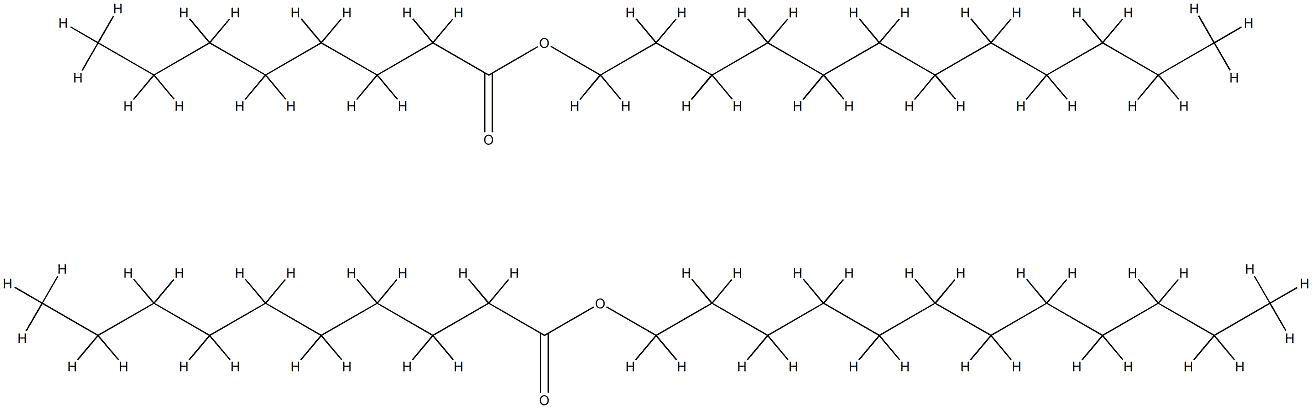
- 95912-86-0
- C42H84O4
- 653.11396
- All (1)
- China (1)
- (1)
- 68410-23-1
- 0
- All (2)
- China (0)
- (2)
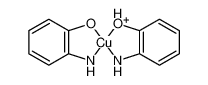
- 18347-30-3
- C12H11CuN2O2+
- 278.77400
- All (0)
- China (0)
- (0)
Related Products More >

- 95912-86-0
- Request For Quotation
- 220L/drum
- 93348-22-2
- Request For Quotation
- 25KG/50KG/1000KG
- 93348-22-2
- Request For Quotation
- 25kg/Cardboard Drum
- 92044-87-6
- Request For Quotation
- 91995-81-2
- Request For Quotation
- 25
- 91995-81-2
- Request For Quotation
- 190kg/drum
- 91995-81-2
- Request For Quotation
- Bottle,barrel,cargo,container,etc.
- 91995-81-2
- Request For Quotation
- 200kgs net plastic drum.


What matters most is where you put it. Keep it away from heat, like near the stove, and don’t leave it in sunlight. A cool pantry or cupboard works best. If it gets too warm, it might go bad faster, even unopened.
You’ll know if it’s gone off when you open it—smells a bit stale or like old nuts, and tastes bitter. But if you store it properly, unopened olive oil should be fine for over a year, easy. No need to stress too much, just keep it in a cool, dark spot.
The quality of the olive oil at the time of bottling plays a significant role in its longevity. Extra virgin olive oil (EVOO), which is minimally processed and high in antioxidants, tends to last longer than refined olive oils because its natural compounds help delay rancidity. However, once these antioxidants break down, the oil becomes susceptible to oxidation, leading to off-flavors and a loss of nutritional benefits. For example, a high-quality EVOO stored in a dark, cool pantry may retain its freshness for nearly two years, while a lower-quality oil or one stored near a heat source might degrade sooner.
Packaging is another critical factor. Olive oil lasts longer in dark glass bottles or tin containers, which block UV light, compared to clear plastic or glass. Some premium producers even use nitrogen flushing to displace oxygen before sealing, further extending shelf life. A real-world example is imported Italian EVOO, which often comes in tinted bottles and has a "best by" date stamped based on optimal storage conditions. If stored improperly—say, in a warm kitchen near a window—the oil may spoil before the indicated date.
In practical terms, consumers should check the harvest or "best by" date (not just the purchase date) and store unopened olive oil in a cool, dark place. While unopened oil won’t necessarily become harmful after its peak period, its flavor and health benefits will diminish. For instance, a two-year-old unopened bottle might still be safe for cooking, but it won’t deliver the vibrant, peppery notes expected from fresh EVOO in a salad dressing. Proper storage and attention to packaging can maximize both shelf life and quality.
At its core, olive oil is composed primarily of monounsaturated fatty acids (MUFAs), especially oleic acid, along with minor but significant amounts of polyphenols, tocopherols (notably vitamin E), and phytosterols. These compounds contribute both to olive oil's flavor profile and its resistance to oxidation. However, despite their protective nature, even monounsaturated fats are vulnerable to peroxidation over time when exposed to oxygen, light, or heat. The oxidation process results in the formation of hydroperoxides and secondary oxidation products such as aldehydes and ketones, which degrade the sensory and nutritional quality of the oil. In unopened bottles, the extent of oxidation is minimal if stored properly, but it begins as soon as the oil is pressed and continues at a slow, cumulative pace.
The container in which olive oil is stored plays a critical role in determining its shelf life. Professional-grade packaging—such as dark glass bottles, stainless steel containers, or BPA-free opaque tins—serves to block out ultraviolet light and oxygen, both of which catalyze oxidative reactions. Vacuum-sealing and nitrogen-flushing are additional industrial practices used to displace oxygen during bottling, significantly slowing oxidation. This is why the same olive oil might degrade more slowly in one container versus another, even if the oils are chemically identical at bottling.
Misconceptions about olive oil shelf life are common, particularly the belief that “unopened” means “unchanging.” In truth, the chemical integrity of olive oil starts declining from the moment it’s produced, not opened. The "best by" date is not a strict expiration but a guideline reflecting the expected sensory and nutritional quality under typical storage conditions. High-quality extra virgin olive oils—rich in polyphenols—generally maintain their freshness longer due to the antioxidant properties of these compounds. Yet even premium oils will eventually lose their characteristic flavor, aroma, and health benefits if kept too long.
From a physiological perspective, the implications of consuming oxidized fats go beyond just off-flavors. Lipid peroxides and other oxidation products have been implicated in inflammatory processes and may be linked to oxidative stress in the body, although the quantities from mildly rancid oils are unlikely to pose immediate health risks. Still, in professional food service or high-volume culinary operations, ensuring that olive oil is used well within its quality window is not just a matter of taste, but also of consumer safety and brand integrity.
Professionally, understanding the degradation mechanisms of olive oil has applications beyond the kitchen. In the context of international logistics and global food supply chains, maintaining oil quality over time and distance requires coordination between harvesting schedules, bottling technologies, cold-chain transportation, and retail turnover rates. Engineering principles come into play when designing storage environments with optimal temperature and humidity control, particularly for long-haul exports or storage in variable climates.
For unopened olive oil, the typical shelf life ranges from 24 to 36 months under optimal conditions, with extra virgin varieties often exceeding this due to higher polyphenol content, which acts as natural antioxidants. This variance arises from oxidation kinetics: unsaturated fatty acids react with atmospheric oxygen (even in sealed containers, 微量氧 permeation occurs), initiating free radical chain reactions that fragment lipid molecules, culminating in rancidity. Polyphenols scavenge these radicals, 延缓 degradation—a mechanism validated in comparative studies showing 30% slower oxidation in high-polyphenol extra virgin olive oil versus refined grades.
Physically, unopened olive oil’s stability hinges on storage parameters. Exposure to temperatures above 25°C accelerates molecular motion, increasing collision frequency between fatty acid chains and residual oxygen, thereby shortening shelf life by 20–40% in accelerated aging tests. Light, particularly ultraviolet wavelengths, excites electron orbitals in fatty acids, promoting photooxidation—hence the industry standard of dark glass or opaque packaging.
Practically, this translates to actionable guidelines: unopened bottles stored at 15–20°C in dark, dry environments maintain sensory and nutritional integrity beyond labeled "best by" dates by 6–9 months. In industrial contexts, this informs bottling protocols (nitrogen flushing to displace oxygen) and supply chain logistics (temperature-controlled shipping). Medicinally, oxidized olive oil loses anti-inflammatory properties linked to oleocanthal, a polyphenol with ibuprofen-like activity, underscoring the importance of stability for therapeutic applications.
In daily life, recognizing rancidity—marked by a shift from fruity/grassy aromas to aldehydic, metallic notes—prevents ingestion of oxidized lipids, which may generate pro-inflammatory compounds. Thus, understanding unopened olive oil’s longevity bridges chemical thermodynamics, food science, and public health, emphasizing that preservation is both a matter of molecular stability and practical wellness.