


 Home
Home
Hello, I want to ask if using cocoa butter can cause my skin to darken over time. Does it affect pigmentation? Are there safer options if I’m concerned about uneven skin tone?
Does Cocoa Butter Darken Skin or Affect Skin Pigmentation?
Related Encyclopedia
- 8002-31-1
- 0
- All (10)
- China (6)
- (10)
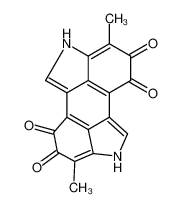
- 8049-97-6
- C18H10N2O4
- 318.28300
- All (0)
- China (0)
- (0)

- 67701-08-0
- C18H34O2
- 282.46100
- All (0)
- China (0)
- (0)

- 67701-03-5
- C34H68O4
- 540.90132
- All (0)
- China (0)
- (0)

- 61788-66-7
- 0.00000
- All (0)
- China (0)
- (0)
- 67784-82-1
- (C3H8O3
- 0
- All (2)
- China (2)
- (2)
- 61789-31-9
- 0
- All (6)
- China (6)
- (6)
- 86403-32-9
- 0
- All (1)
- China (1)
- (1)
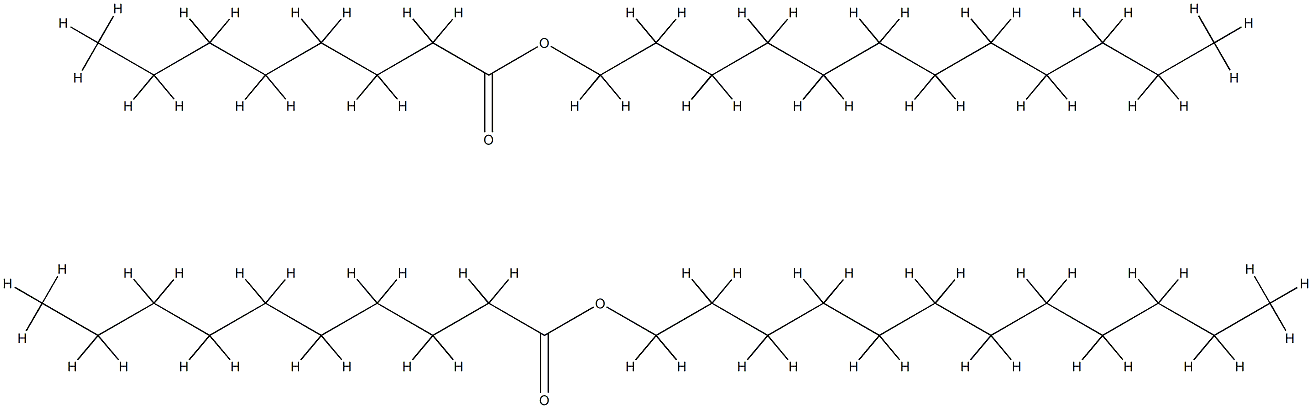
- 95912-86-0
- C42H84O4
- 653.11396
- All (1)
- China (1)
- (1)
- 68410-23-1
- 0
- All (2)
- China (0)
- (2)
Related Products More >

- 95912-86-0
- Request For Quotation
- 220L/drum
- 93348-22-2
- Request For Quotation
- 25KG/50KG/1000KG
- 93348-22-2
- Request For Quotation
- 25kg/Cardboard Drum
- 92044-87-6
- Request For Quotation
- 91995-81-2
- Request For Quotation
- 25
- 91995-81-2
- Request For Quotation
- 190kg/drum
- 91995-81-2
- Request For Quotation
- Bottle,barrel,cargo,container,etc.
- 91995-81-2
- Request For Quotation
- 200kgs net plastic drum.


Cocoa butter is a natural fat rich in fatty acids like stearic acid and oleic acid, primarily serving as a moisturizer and skin barrier enhancer. It hydrates and nourishes the skin by forming an occlusive layer that prevents moisture loss, promoting softness and elasticity. Unlike compounds that stimulate melanogenesis (the process of melanin production), cocoa butter does not contain active ingredients such as hydroquinone, kojic acid, or retinoids that affect skin pigmentation.
From a physiological standpoint, skin darkening (hyperpigmentation) results mainly from increased melanin synthesis in response to UV exposure, inflammation, or certain chemical agents. Cocoa butter’s role is more supportive for skin health rather than pigment modulation. However, some cocoa butter products might contain additives, fragrances, or impurities that could potentially cause mild irritation or uneven skin tone in sensitive individuals, but this is not typical or widespread.
Clinically, cocoa butter is often used to improve skin texture and appearance, especially in scar and stretch mark treatments, without altering skin color. If patients are concerned about skin darkening or pigmentation changes, they should focus on sun protection, proper skin care routines, and consult dermatologists for targeted treatments.
Alternative moisturizers like shea butter or products containing niacinamide may provide additional benefits for skin tone and barrier repair without risks of pigmentation changes.
From a chemical perspective, cocoa butter does not contain compounds that directly influence melanin production or pigmentation pathways in the skin. Melanin synthesis involves enzymatic oxidation reactions catalyzed by tyrosinase, a process unrelated to the fatty acid esters in cocoa butter. Therefore, cocoa butter itself lacks reactive functional groups or pigments that would cause skin darkening through chemical reactions or oxidative stress.
However, in industrial and cosmetic formulations, cocoa butter may be combined with other ingredients such as fragrances, colorants, or preservatives, some of which could potentially cause mild skin irritation or allergic reactions in sensitive individuals. Such irritation might indirectly lead to post-inflammatory hyperpigmentation, but this effect is not due to cocoa butter’s chemistry.
Cocoa butter’s hydrophobic nature allows it to form an occlusive barrier on the skin, reducing transepidermal water loss and improving skin hydration. This property is beneficial for maintaining skin health and elasticity but does not chemically alter skin pigmentation.
In experimental conditions, the stability of cocoa butter’s ester bonds means it resists degradation unless exposed to strong acids, bases, or prolonged heat, which are uncommon in normal skincare use. Its melting point near body temperature enables it to remain solid at room temperature but melt upon skin contact, facilitating application.
Think of it like this:
It’s like mistaking a shiny apple for a darker one—the color didn’t change, it just got juicier! Similarly, well-moisturized skin may appear more "glowy" but not truly darker.
Pro Tip:
Always check labels! Some cocoa butter blends contain added ingredients (like walnut oil or fake tanners) that can tint skin. Stick to 100% pure cocoa butter if you want hydration without color shifts.
First, source matters. Pure, unprocessed cocoa butter is safer than versions with added ingredients like fragrances, preservatives, or essential oils—these can irritate a dog’s sensitive skin. How you apply it counts too: A thin layer on dry paws might be okay, but slathering it on large areas can make fur greasy, trap dirt, or clog pores.
Dog differences play a role, too. Puppies or dogs with skin conditions (like allergies or hot spots) are more likely to react. Breeds with thick fur (think Golden Retrievers) may get matting from the oil, while short-haired dogs might just end up with sticky skin.
Common myths? Myth 1: “It’s natural, so it’s always safe.” Natural doesn’t equal dog-friendly—many plants are natural but toxic! Myth 2: “It works as well for dogs as it does for humans.” Dogs’ skin has a different pH balance, so what hydrates us can upset theirs.
Family-friendly tips:
Stick to dog-specific products (like paw balms) designed for their skin and safe if licked.
If you use cocoa butter, test a tiny spot on their paw first. Wait 24 hours—no redness? Then a thin layer is okay, but wipe excess off to prevent licking.
For dry paws, try a warm cloth wipe followed by a dog-safe balm. It’s gentler and less messy than cocoa butter.