


 Home
Home
If you’ve just earned a bachelor’s degree in biochemistry, you might be wondering what doors it opens for you. Can you work in a lab right away, or do you need more schooling? Are there opportunities outside of research, like in healthcare, business, or education? How transferable are your skills to industries like pharmaceuticals, food science, or environmental work? And what kinds of jobs are realistic for someone without a graduate degree? Basically, what can you actually do with a bachelor’s degree in biochemistry?
What Can You Do with a Bachelor's Degree in Biochemistry? Career Options Explored
Related Encyclopedia
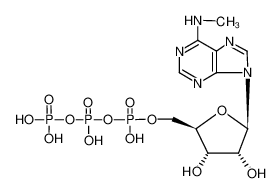
- 3130-39-0
- C11H18N5O13P3
- 521.20800
- All (0)
- China (0)
- (0)
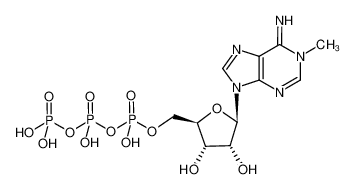
- 68643-11-8
- C11H18N5O13P3
- 521.20800
- All (0)
- China (0)
- (0)
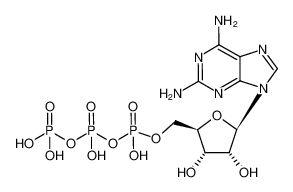
- 18549-34-3
- C10H17N6O13P3
- 522.19600
- All (0)
- China (0)
- (0)
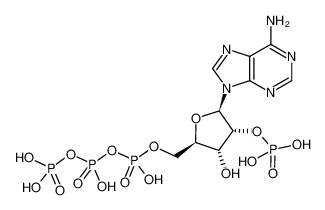
- 23339-43-7
- C10H17N5O16P4
- 587.16100
- All (3)
- China (0)
- (3)
- 64363-04-8
- C10H14N5O13P3--
- 505.16500
- All (3)
- China (0)
- (3)
- 64344-01-0
- C10H13N5O13P3---
- 504.15700
- All (3)
- China (0)
- (3)
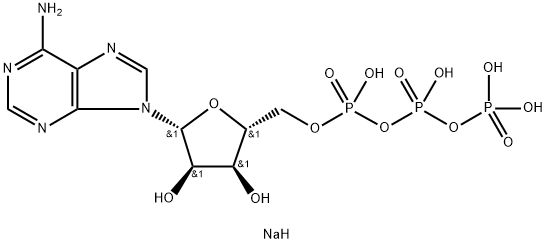
- 987-65-5
- C10H17N5NaO13P3
- 531.18
- All (0)
- China (0)
- (0)
- 139373-97-0
- C17H26N6O6
- 410.42500
- All (0)
- China (0)
- (0)
- 1135221-02-1
- C15H31N3O13P2
- 523.36600
- All (0)
- China (0)
- (0)
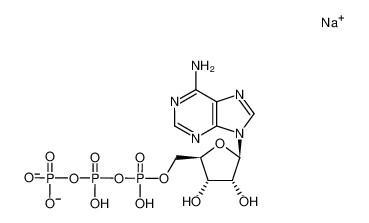
- 4691-96-7
- C10H14N5NaO13P3-
- 528.15500
- All (0)
- China (0)
- (0)
Related Products More >

- 987-65-5
- Request For Quotation
- 25kg/Cardboard Drum
- 987-65-5
- Request For Quotation
- 1kg ,25kg or according to customer's detail requirement.
- 987-65-5
- Request For Quotation
- 100g; 1kg; 25g
- 987-65-5
- Request For Quotation
- 1kg/bag;25kg/Cardboard Drum
- 987-65-5
- Request For Quotation
- 1g,5g,10g,100g,1000g
- 987-65-5
- Request For Quotation
- 25kg/cardboard drum
- 987-65-5
- Request For Quotation
- 987-65-5
- Request For Quotation
- bottle or customized


Graduates can immediately contribute to laboratory work where precision and an understanding of molecular interactions are required. In a pharmaceutical lab, they might analyze how a potential drug binds to a target protein or measure reaction rates in biochemical pathways. Similarly, in food science, knowing how proteins and carbohydrates behave under different conditions helps ensure product quality and safety. Even in environmental monitoring, biochemistry principles guide the detection of pollutants or the assessment of microbial activity in water or soil.
The skills gained, such as experimental design, data analysis, and problem-solving with chemical and biological systems, are highly versatile. A biochemistry graduate can bridge the gap between theoretical knowledge and practical application, whether that means adjusting a lab protocol for more accurate results or interpreting complex data for regulatory compliance. Essentially, the degree equips individuals to translate molecular principles into actionable outcomes across research, healthcare, and industrial contexts.
If you are curious, there’s also room for interdisciplinary roles, like working with computational models to predict chemical interactions or supporting product development in biotech startups, where a solid understanding of biochemistry directly informs innovation.
This interdisciplinary field bridges biology, chemistry, and physics, enabling graduates to analyze complex systems through multiple lenses. For instance, understanding protein folding requires integrating chemical bonding theories with physical models of molecular dynamics. In daily life, biochemistry underpins innovations like personalized nutrition, where enzyme activity in digestion informs dietary recommendations, or biodegradable materials, which rely on microbial metabolic pathways. Industrial applications include optimizing fermentation processes for biofuel production or designing enzymes for eco-friendly detergents. In medicine, biochemistry drives advancements such as targeted drug delivery systems, which exploit protein-ligand interactions, or CRISPR-based gene editing, rooted in nucleic acid chemistry.
The broader significance of a biochemistry degree lies in its capacity to address global challenges. By deciphering metabolic disorders at a molecular level, it informs therapeutic strategies for diseases like diabetes. In agriculture, it aids in developing drought-resistant crops through genetic modification. Even in environmental science, biochemistry explains pollutant degradation mechanisms, guiding bioremediation efforts. Thus, this degree not only provides technical expertise but also fosters a holistic perspective, empowering graduates to innovate across sectors where biological and chemical systems intersect.
In research settings, biochemists apply principles of thermodynamics and kinetics to analyze how molecules bind, react, or fold, which differs from biology, which often emphasizes whole-organism or ecosystem dynamics, or chemistry, which focuses more on non-biological substances. For example, while a biologist might study how a disease affects organ systems, a biochemist would investigate the specific molecular interactions—like a misfolded protein inhibiting a critical enzyme—that cause those systemic effects.
Industry roles, such as in pharmaceuticals, leverage this expertise to design drugs that target specific molecular sites. Here, understanding the three-dimensional structure of a receptor protein (a key biochemical concept) allows for the development of compounds that bind selectively, minimizing side effects—this precision distinguishes biochemistry-driven drug design from broader approaches that lack such molecular specificity. In clinical laboratories, biochemists use techniques like electrophoresis to separate proteins, enabling the diagnosis of conditions like anemia by identifying abnormal hemoglobin variants, a process that relies on knowing how molecular charge and size influence movement in an electric field.
A common误解 is that biochemistry is limited to lab work, but in reality, it supports roles in science communication, where explaining complex molecular concepts to the public requires translating technical details about, say, mRNA structure into accessible language. Similarly, in environmental science, biochemists might study how microorganisms break down pollutants, applying knowledge of metabolic pathways to develop bioremediation strategies—here, the focus is on microbial chemistry, distinct from environmental biology’s emphasis on ecological impact.
Overall, the degree’s strength lies in its ability to connect molecular-level chemistry to biological function, providing a versatile foundation for roles that require both depth in chemical principles and an understanding of their biological implications.