


 Home
Home
Have you ever heard about The Ordinary’s Niacinamide and Zinc serum and wondered why so many people use it? Some say it’s great for acne, others talk about brightening skin or controlling oil. But what exactly do niacinamide and zinc do when applied to your face? How can these two ingredients work together, and is it something everyone can use or only for certain skin types?
What Is The Ordinary Niacinamide And Zinc For?
Related Encyclopedia
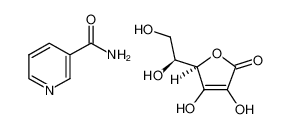
- 1987-71-9
- C12H14N2O7
- 298.25000
- All (0)
- China (0)
- (0)
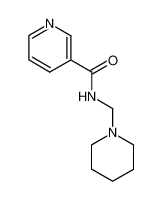
- 5259-92-7
- C12H17N3O
- 219.28300
- All (0)
- China (0)
- (0)

- 7440-66-6
- Zn
- 65.39
- All (7)
- China (5)
- (7)
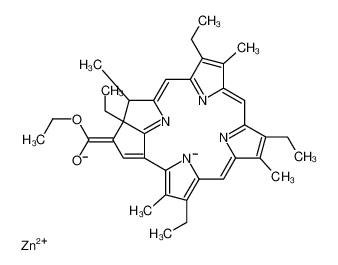
- 113031-38-2
- C37H42N4O2Zn
- 640.14498
- All (0)
- China (0)
- (0)
- 12034-86-5
- NbZn3
- 289.04600
- All (0)
- China (0)
- (0)
- 12040-28-7
- VZn3
- 247.08100
- All (0)
- China (0)
- (0)
- 12050-67-8
- CeZn
- 205.49600
- All (0)
- China (0)
- (0)
- 12057-22-6
- LiZn
- 72.32100
- All (0)
- China (0)
- (0)
- 12064-51-6
- GdZn2
- 288.01000
- All (0)
- China (0)
- (0)
- 12066-85-2
- PrZn2
- 271.66800
- All (0)
- China (0)
- (0)
Related Products More >

- 13927-77-0
- CNY Request For Quotation
- 3030-80-6
- CNY Request For Quotation
- 6990-43-8
- CNY Request For Quotation
- 155-04-4
- CNY Request For Quotation
- 36190-62-2 Zinc diisobutyldithiocarbamate
- CNY Request For Quotation
- 14634-93-6 Zinc ethylphenyl dithiocarbamate
- CNY Request For Quotation
- 14726-36-4 Zinc dibenzyldithiocarbamate
- CNY Request For Quotation
- 137-30-4 Zinc dimethyldithiocarbamate
- CNY Request For Quotation


If your skin tends to get greasy during the day or you often deal with small breakouts, using this serum can feel like giving your face a little reset button. It’s lightweight, sinks in quickly, and doesn’t feel greasy. Some people even notice their skin tone looks brighter after a few weeks.
It’s not a magic potion, but more like a steady, gentle helper you use every day. You just apply a few drops before your moisturizer, and let it quietly do its job in the background while you go about your day.
Niacinamide operates by inhibiting the transfer of melanosomes to keratinocytes, which reduces visible pigmentation, and by boosting ceramide synthesis to strengthen the skin’s lipid barrier. Zinc complements this by downregulating excess sebum production through its influence on androgen receptors and exerting antimicrobial activity against Cutibacterium acnes. For instance, in acne-prone skin, the combination can visibly minimize breakouts while mitigating post-inflammatory erythema, as seen in cases where users report fewer active lesions and reduced redness within weeks.
The product’s efficacy hinges on its concentration balance—typically 10% niacinamide and 1% zinc—which optimizes tolerability for most skin types without causing irritation. Its mechanism extends to mitigating environmental damage; niacinamide’s ability to repair DNA damage from UV exposure pairs with zinc’s role in stabilizing proteins damaged by free radicals. Practical applications include its use in routines for oily or combination skin, where it replaces heavier moisturizers while delivering hydration and mattifying effects. Real-world observations note its utility in calming reactive skin conditions like rosacea, where inflammation and sensitivity are primary concerns.
From a physical and chemical standpoint, the serum’s mechanism is partly driven by niacinamide’s ability to strengthen the stratum corneum through enhanced ceramide production, thereby reducing transepidermal water loss. Concurrently, zinc ions can bind to and stabilize proteins involved in skin repair, while also exhibiting mild antimicrobial effects. This combination creates a dual approach: niacinamide addresses barrier integrity and pigmentation irregularities, while zinc contributes to oil regulation and defense against microbe-related irritation.
In daily life, the pairing of these two agents has clear cosmetic relevance, aiding individuals with oily, blemish-prone skin in maintaining a balanced and more uniform appearance. Beyond personal care, niacinamide’s molecular stability and water solubility make it suitable in various formulations, from topical dermatological products to fortified cosmetics in industrial manufacturing. Zinc, aside from its topical role, has systemic importance in nutrition and medicine, particularly for immune competence and wound healing, making its topical application a targeted extension of its systemic functions.
Viewed through an interdisciplinary lens, their combined use touches on dermatology, cosmetic chemistry, nutrition science, and even public health, as accessible topical solutions can reduce the need for systemic treatments in mild skin conditions. The Ordinary’s blend exemplifies how biochemistry can be translated into consumer products that integrate molecular-level understanding with practical benefits, bridging scientific theory with tangible outcomes in skin health.
In physiological processes, niacinamide functions primarily in the biosynthesis of nicotinamide adenine dinucleotide (NAD) and its phosphate (NADP), crucial coenzymes involved in redox reactions that generate ATP, the cell's energy currency. It also modulates cell signaling pathways, including those related to inflammation by inhibiting the release of pro-inflammatory cytokines. Zinc, meanwhile, is integral to the activity of over 300 enzymes, such as DNA polymerases (essential for DNA replication) and superoxide dismutases (which neutralize reactive oxygen species). It also plays a key role in immune function, supporting T-cell development and proliferation.
In cosmetic science, their combination is valued for synergistic effects on skin health. Niacinamide helps maintain the skin's barrier function by increasing ceramide production, reducing transepidermal water loss, and regulating sebum secretion. It also has brightening properties, inhibiting melanin transfer to keratinocytes. Zinc, with its anti-inflammatory and antimicrobial properties, soothes irritated skin and helps prevent acne by reducing Propionibacterium acnes activity. Together, they address multiple concerns—barrier repair, oil control, and inflammation—more effectively than either alone.
Compared to other B vitamins, niacinamide is unique in its ability to penetrate the skin's stratum corneum without conversion, making it suitable for topical applications. Unlike retinol, it does not cause photosensitivity, allowing for daytime use. Zinc, distinct from other trace elements like copper or iron, has a broader spectrum of enzymatic roles and a more pronounced anti-inflammatory effect in cutaneous contexts.
A common misconception is that niacinamide and zinc replace the need for sunscreen; while they support skin health, they do not provide UV protection, so sunscreen remains essential. Another is assuming higher concentrations always yield better results; excessive niacinamide can cause mild irritation, and zinc in high amounts may leave a white cast, so formulations are typically optimized for balance. Understanding their individual mechanisms and synergies clarifies their specific applications in both physiological and cosmetic contexts.