


 Home
Home
When we move our bodies quickly, like during sprinting or jumping, our muscles contract fast. But what kind of muscle fibers allow this rapid movement? Are all muscle fibers equally fast, or do some types contract faster than others? And how do these differences affect our performance in daily activities or sports? Could the chemical components inside the fibers be part of the reason? Which muscle fiber type actually has the highest shortening velocity?
Which Muscle Fiber Type Has the Highest Shortening Velocity?
Related Encyclopedia
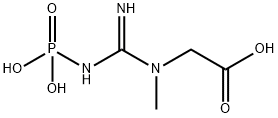
- 67-07-2
- C4H10N3O5P
- 211.11
- All (4)
- China (0)
- (4)
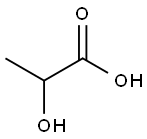
- 50-21-5
- C3H6O3
- 90.08
- All (220)
- China (25)
- (220)
- 1595292-07-1
- C3H4FeO3+
- 143.90700
- All (220)
- China (25)
- (220)
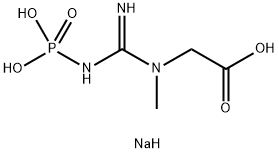
- 922-32-7
- C4H11N3NaO5P
- 235.11
- All (9)
- China (6)
- (9)
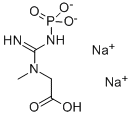
- 19333-65-4
- C4H20N3Na2O11P
- 363.17
- All (0)
- China (0)
- (0)
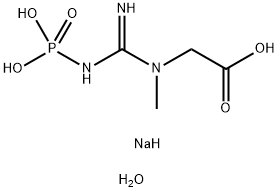
- 6190-45-0
- C4H13N3NaO6P
- 253.13
- All (1)
- China (1)
- (1)
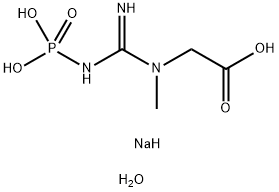
- 71519-72-7
- C4H13N3NaO6P
- 253.13
- All (1)
- China (1)
- (1)
- 35552-08-0
- C10H12N2O2
- 192.21400
- All (0)
- China (0)
- (0)
- 861591-29-9
- C4H6N2O2
- 114.10300
- All (0)
- China (0)
- (0)
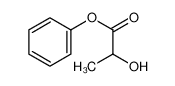
- 7292-85-5
- C9H10O3
- 166.17400
- All (0)
- China (0)
- (0)
Related Products More >

- CNY Request For Quotation
- CNY Request For Quotation
- CNY Request For Quotation
- 50-21-5
- CNY Request For Quotation
- 50-21-5
- CNY Request For Quotation
- 26100-51-6
- Request For Quotation
- 1ton
- 26100-51-6
- Request For Quotation
- 25kg
- 26100-51-6
- Request For Quotation
- 1g


Fast-twitch fibers are like the sprinters of your muscles—they work hard and fast but get tired quickly. They have special proteins and more of certain chemicals like creatine phosphate that give them quick bursts of energy. That’s why athletes who do short, intense movements usually have more of these fast fibers.
So, if you’re wondering which muscle fiber type has the highest shortening velocity—it’s the fast-twitch ones. They're made for speed, not for endurance. You don’t have to be a scientist to get this—just think about the difference between a quick sprint and a long walk.
In practical terms, type IIx fibers dominate in activities requiring bursts of speed or strength, such as sprinting or weightlifting. For instance, a 100-meter sprinter relies heavily on these fibers to achieve maximal acceleration and top speed within seconds. Conversely, endurance athletes like marathon runners depend more on slow-twitch fibers, which prioritize efficiency over speed. The trade-off lies in energy efficiency: type IIx fibers consume ATP rapidly, limiting their sustained use but excelling in short-duration, high-intensity tasks.
Training can influence the proportion and performance of these fibers, though genetics play a significant role. Resistance training or plyometrics can enhance the glycolytic capacity of type IIx fibers, while prolonged aerobic activity may shift their profile toward more fatigue-resistant hybrids. Understanding this balance helps athletes tailor programs to their sport’s demands, optimizing performance by leveraging the unique properties of each fiber type.
At the molecular level, this rapid contraction ability is linked to the presence of a specific isoform of the enzyme myosin ATPase, which breaks down ATP at a much faster rate than the forms found in slower fibers. The energy released from ATP hydrolysis powers the cross-bridge cycling of actin and myosin filaments, the basic mechanism of muscle contraction. Type IIb fibers also rely heavily on anaerobic metabolism, using creatine phosphate and glycolysis for immediate energy production. This allows for quick bursts of power but leads to the rapid accumulation of lactic acid, which limits endurance.
From a biomechanical perspective, these fibers have larger diameters and more extensive sarcoplasmic reticulum networks, enabling faster calcium release and uptake. This accelerates contraction and relaxation cycles. Their high force-generating capacity but low fatigue resistance make them ideally suited for brief, explosive actions rather than prolonged activity.
Beyond basic physiology, the relevance of high-velocity fibers extends across disciplines. In sports science, understanding these fibers aids in training athletes for speed or power-based events, tailoring regimens to maximize Type IIb recruitment. In rehabilitative medicine, strategies to preserve or stimulate these fibers can benefit patients recovering from neuromuscular disorders or muscle atrophy due to aging or inactivity. The military and robotics industries also look to the principles behind fast muscle fiber function when designing exoskeletons or synthetic muscles for enhanced performance or mobility support.
Grasping the role of fast-twitch fibers with high shortening velocity helps bridge the gap between cellular bioenergetics and whole-body performance, revealing just how deeply biology shapes our physical capabilities and limitations.
The high shortening velocity of type IIx fibers stems from the properties of their myosin isoforms, which have a higher intrinsic rate of cross-bridge detachment and reattachment. This means each cycle of contraction—where the myosin head binds to actin, pulls it, and releases—occurs more swiftly, leading to faster overall fiber shortening. However, this speed comes with a trade-off: type IIx fibers rely primarily on anaerobic metabolism, which produces ATP quickly but inefficiently, resulting in rapid fatigue. They cannot sustain contractions for long periods, unlike slow-twitch fibers that use aerobic metabolism and fatigue slowly.
In practical terms, type IIx fibers are critical for activities requiring explosive, short-duration movements. A sprinter, for example, relies heavily on these fibers to generate the rapid leg movements needed to reach high speeds in a 100-meter dash. Similarly, a basketball player jumping for a rebound uses type IIx fibers to propel their body upward with maximum velocity in a fraction of a second. Even in everyday actions, like quickly lifting a heavy object or reacting to a sudden movement, these fibers are activated to produce the fast, forceful contractions necessary. Athletes training for speed or power often focus on exercises that target type IIx fibers, such as plyometrics or sprint intervals, to enhance their ability to contract rapidly, though such training must balance intensity with recovery to manage their inherent fatigability.