


 Home
Home
Have you ever noticed dark, slimy spots on your rubber items, like in your shower, car door seals, or washing machine gasket? That’s mold, and it can be tricky to get rid of without ruining the rubber. What are the safest and easiest ways to remove mold from rubber surfaces using stuff you probably already have at home? Can you really trust vinegar or baking soda to do the job? And how do you make sure the mold doesn’t come back again after cleaning?
How to Clean Mold Off Rubber Without Damaging It?
Related Encyclopedia
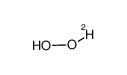
- 34322-11-7
- DHO2
- 35.02080
- All (27)
- China (27)
- (27)
- 71426-84-1
- O2T2
- 38.03090
- All (27)
- China (27)
- (27)
- 13813-07-5
- H2O2
- 36.01000
- All (27)
- China (27)
- (27)

- 7722-84-1
- H2O2
- 34.01
- All (27)
- China (27)
- (27)
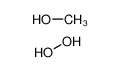
- 1000623-92-6
- CH6O3
- 66.05650
- All (0)
- China (0)
- (0)
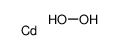
- 12289-44-0
- CdH2O2
- 146.42600
- All (0)
- China (0)
- (0)

- 8076-25-3
- CH4O3
- 64.04070
- All (0)
- China (0)
- (0)
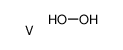
- 185413-31-4
- H2O2V
- 84.95620
- All (0)
- China (0)
- (0)

- 12139-22-9
- CdO2
- 144.41000
- All (0)
- China (0)
- (0)
- 155306-81-3
- H4O3
- 52.03000
- All (0)
- China (0)
- (0)
Related Products More >

- 97-67-6
- Request For Quotation
- 8028-52-2
- Request For Quotation
- IBC TANK
- Request For Quotation
- 25Kg/Drum
- Request For Quotation
- Aluminium foil bag/ Bottle/Other package
- Request For Quotation
- 1ton
- Request For Quotation
- 1000kg
- Request For Quotation
- 1ton
- Request For Quotation
- 25kg


For tougher mold, hydrogen peroxide (3%) works well too — just don’t mix it with vinegar. Spray it on, let it bubble a bit, and wipe it off. Be sure to dry the rubber well afterward so mold doesn’t grow back. Keeping things dry is key.
So yeah, no need to panic — a few common household items can do the trick. Just make sure to keep an eye on damp spots in the future!
A common approach involves using a solution of white vinegar and water, which acts as a natural antifungal agent. The acidity of vinegar penetrates the mold’s cell walls, killing it at the root. For tougher cases, a mixture of baking soda and water can be applied as a paste, providing mild abrasion to scrub away surface mold without damaging the rubber. Bleach is sometimes recommended, but it can degrade rubber over time, making it less suitable for long-term maintenance. The mechanical action of scrubbing with a soft brush is equally important, as it dislodges spores and prevents regrowth.
In practical terms, this process is often seen in cleaning rubber seals on appliances or car door gaskets. For example, a refrigerator seal with black mold can be restored by applying vinegar, letting it sit for 10 minutes, and then scrubbing gently. Regular drying and occasional application of rubber protectants can prevent future growth. The interplay between chemical action and physical cleaning ensures both immediate results and lasting protection, highlighting the importance of methodical care for rubber materials exposed to moisture.
To effectively remove mold, start by dry-brushing the surface with a stiff brush to dislodge loose spores, preventing their spread. A solution of warm water and mild detergent works well for light infestations; gently scrub with a sponge, focusing on textured areas where mold hides. For tougher cases, white vinegar—acetic acid disrupts mold cell structures—can be applied undiluted, left to sit for 10-15 minutes, then rinsed. Avoid harsh chemicals like bleach on rubber, as they can break down the material’s integrity, causing cracking or discoloration over time.
After cleaning, ensure the rubber item is completely dry before storing, as lingering moisture encourages mold regrowth. For items like rubber gaskets in appliances or rubber mats, regular wiping with a dry cloth and keeping them in well-ventilated areas reduces recurrence. This approach balances effective mold removal with preserving rubber’s elasticity and longevity, ensuring the material remains functional and free from harmful growth.
At the molecular level, mold releases enzymes that degrade organic components in rubber, breaking down polymers and releasing volatile compounds that contribute to the characteristic musty odor. This enzymatic degradation is a concern not only for aesthetics and hygiene but also for structural integrity in industrial settings where rubber is used in seals, gaskets, or medical tubing. Moreover, the metabolic byproducts of mold, including mycotoxins, can pose health risks, particularly in respiratory contexts or in clinical environments where sterility is critical.
The cleaning of mold from rubber thus involves both mechanical removal and chemical treatment. Agents like acetic acid (vinegar), sodium bicarbonate (baking soda), and hydrogen peroxide are commonly used due to their antifungal properties and relative safety. These substances work through different mechanisms: vinegar alters pH to inhibit fungal enzyme activity, baking soda acts as a mild abrasive and odor neutralizer, while hydrogen peroxide oxidizes cellular components of mold, effectively disrupting their structure. However, repeated use of harsh chemicals or abrasive methods can degrade rubber's elasticity and surface integrity, leading to brittleness or microcracking, which paradoxically creates more favorable sites for mold regrowth.
Understanding the cleaning process from an interdisciplinary lens underscores the need to balance efficacy with material preservation. In industrial and medical fields, specialized biocidal agents or UV-C treatment may be employed for sterilization, while in domestic contexts, routine drying and ventilation remain the most sustainable preventive measures. Thus, the broader implication of mold management on rubber is not only about cleanliness but also about the long-term durability of materials and the health implications of microbial colonization.