


 Home
Home
When people talk about healthy eating, fiber often comes up as a must-have nutrient. But what exactly is wheat cereal fiber? Is it the same as the fiber found in fruits and vegetables? How does it work in our bodies, and why do nutritionists recommend it? Some say it helps with digestion, while others claim it can lower cholesterol. With so much information out there, it’s hard to know what’s true. So, is wheat cereal fiber really as beneficial as they say, and how can you include it in your diet?
Is Wheat Cereal Fiber Good for Digestion?
Related Encyclopedia
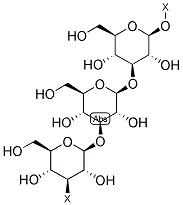
- 9008-22-4
- C18H30O14X2
- 470.42
- All (6)
- China (4)
- (6)
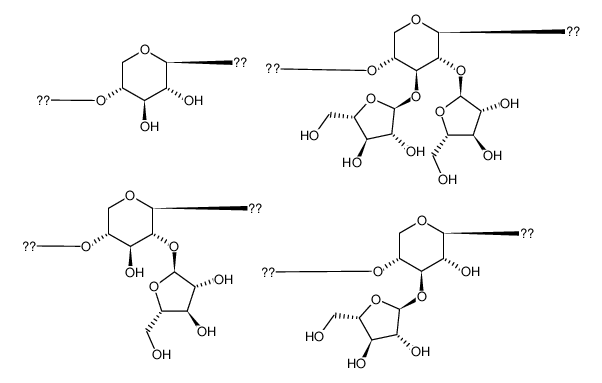
- 9040-27-1
- C40H64O32
- 1056.92000
- All (0)
- China (0)
- (0)
Related Products More >

- 9051-97-2
- Request For Quotation
- 9041-22-9
- Request For Quotation
- 9012-72-0
- Request For Quotation
- 160872-27-5
- Request For Quotation
- 25kg Bag
- 160872-27-5
- Request For Quotation
- 25kg/drum
- 160872-27-5
- Request For Quotation
- according to the clients requirement
- 160872-27-5
- Request For Quotation
- 25kg/fiber can
- 160872-27-5
- Request For Quotation
- kg


It’s not some lab-made chemical either; it’s naturally in the outer layer of wheat grains. When you eat whole wheat instead of white flour, you’re getting more of it. And it’s not just about avoiding constipation—fiber can also slow down sugar absorption, which is why your energy doesn’t crash after a bowl of whole-grain cereal.
Plus, it’s in a ton of everyday foods. Think bran flakes, whole-wheat tortillas, or even popcorn. You don’t need to overthink it—just swapping white bread for whole grain is an easy win. So yeah, it’s one of those boring-but-useful things that quietly makes your diet healthier.
These attributes directly shape its role in practical contexts, particularly in digestive health. For instance, the insoluble fraction in wheat bran cereal accelerates intestinal movement, helping prevent constipation by increasing stool volume—a mechanism observed when individuals consume whole wheat cereal regularly, noticing more regular bowel patterns. Meanwhile, soluble fibers in wheat cereal bind to bile acids in the gut, promoting their excretion and prompting the liver to use cholesterol to produce new bile acids, thereby lowering blood cholesterol levels. This effect is tangible for someone incorporating wheat cereal into a daily diet, potentially seeing gradual improvements in lipid profiles.
Beyond digestion, wheat cereal fiber interacts with gut microbiota, serving as a substrate for beneficial bacteria that produce short-chain fatty acids. These compounds support intestinal barrier function and may have systemic benefits, such as reducing inflammation. A person eating wheat cereal for breakfast might unknowingly foster this microbial activity, contributing to overall gut health and indirectly supporting immune function. The fiber’s ability to induce satiety also plays a role in weight management, as the feeling of fullness can help regulate calorie intake throughout the day.
From a physical standpoint, wheat cereal fiber exhibits high water-binding capacity, increasing stool bulk and promoting peristalsis—a mechanism critical for preventing constipation. Its viscosity-forming properties, particularly attributed to β-glucans, also slow gastric emptying and nutrient absorption, contributing to improved glycemic control and satiety signaling. These characteristics underpin its recognized benefits in managing type 2 diabetes and cardiovascular diseases, as soluble fiber fractions effectively reduce LDL cholesterol by interfering with bile acid reabsorption.
Beyond nutrition, wheat fiber’s functional properties have industrial significance. In food processing, it serves as a texturizing agent, fat replacer, and shelf-life extender in products like baked goods and meat analogues. The pharmaceutical sector exploits its prebiotic potential in synbiotic formulations, while biomaterial research explores its use in biodegradable packaging due to its structural resilience.
The broader implications of wheat cereal fiber intersect with sustainability and public health. Its inclusion in diets aligns with planetary health goals, as whole-grain production generally demands fewer resources than highly processed foods. Conversely, debates persist around gluten-related disorders and FODMAP sensitivity, where certain fiber components may exacerbate symptoms in susceptible individuals. This duality underscores the need for precision nutrition approaches, balancing universal dietary recommendations with individualized tolerances.
Emerging studies on the gut-brain axis further illuminate how wheat fiber’s microbial metabolites may influence neuroinflammation and cognitive function, though mechanistic pathways remain an active area of investigation. In agricultural contexts, breeding strategies now prioritize fiber-rich wheat varieties without compromising yield, reflecting shifting priorities in crop science. Thus, wheat cereal fiber transcends its role as a mere dietary constituent, embodying a nexus of nutritional biochemistry, food technology, and preventive medicine.
From a nutritional standpoint, wheat cereal fiber is valued for its high cellulose and hemicellulose content, which contributes to its effectiveness in promoting gut motility. Unlike soluble fibers that form gels and slow digestion, insoluble fibers like wheat cereal fiber work more mechanically by adding structure and resistance in the gut. This difference is particularly relevant in dietary planning, especially for those aiming to manage constipation or maintain regular bowel movements without relying on laxatives.
In practical applications, wheat cereal fiber is commonly incorporated into breakfast cereals, wholegrain breads, and fiber supplements. For instance, a typical bowl of bran flakes or whole wheat toast provides a tangible example of how this type of fiber is integrated into daily diets. These foods are often favored not only for their digestive benefits but also for their role in supporting satiety, which can be useful in weight management strategies.
It’s also worth noting that while wheat cereal fiber offers physiological benefits, its inclusion in a diet must be balanced with adequate fluid intake. Without sufficient water, the bulking effect can lead to discomfort or bloating. This highlights the importance of understanding fiber not just as a nutrient, but as part of a broader dietary pattern.