


 Home
Home
Hello, I want to know the best way to clean a microfiber couch without damaging it. Can I use strong cleaners or bleach? How often should I clean it to avoid allergens? What if someone in my family has asthma or allergies?
How to Clean a Microfiber Couch Effectively to Maintain Hygiene and Reduce Allergens?
Related Encyclopedia
- 63428-84-2
- 0
- All (16)
- China (1)
- (16)
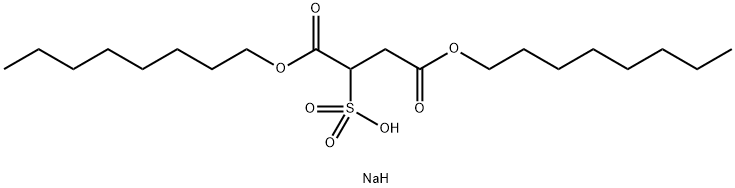
- 1639-66-3
- C20H39NaO7S
- 446.57
- All (3)
- China (2)
- (3)
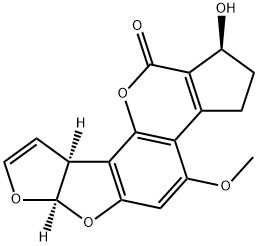
- 29611-03-8
- C17H14O6
- 314.29
- All (0)
- China (0)
- (0)
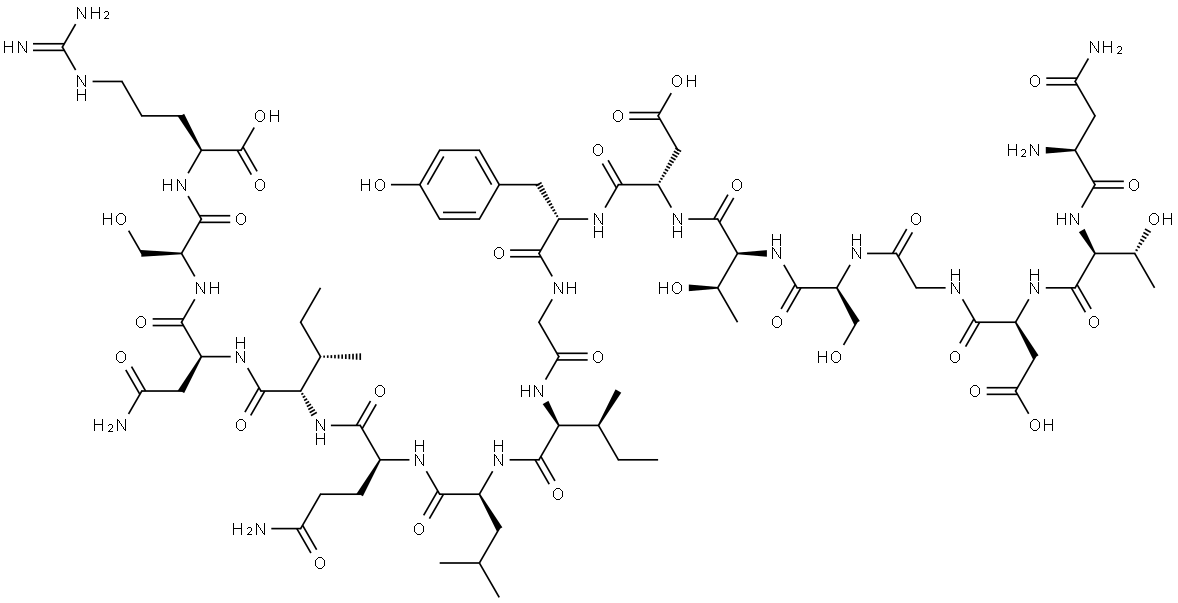
- 62982-31-4
- C72H116N22O29
- 1753.82
- All (0)
- China (0)
- (0)

- 63428-83-1
- H2OSi
- 46.10078
- All (0)
- China (0)
- (0)
Related Products More >

- 90669-76-4
- Request For Quotation
- 25kg/Cardboard Drum
- 9004-82-4
- Request For Quotation
- 9000-11-7
- Request For Quotation
- 80595-68-2
- Request For Quotation
- 80595-68-2
- Request For Quotation
- Bales
- 80595-68-2
- Request For Quotation
- 80595-68-2
- Request For Quotation


From a health perspective, microfiber couches can trap dust mites, allergens, bacteria, and even mold spores due to their dense synthetic fibers. If not cleaned correctly, these contaminants can accumulate, potentially worsening allergies, asthma, or other respiratory issues. This is especially important for individuals with weakened immune systems or respiratory sensitivities.
Improper cleaning—such as using bleach, strong solvents, or soaking the couch—can damage the microfiber’s structure, reducing its ability to trap particles and increasing the risk of microbial growth in damp areas. Dampness and residue left by harsh cleaners may promote mold or mildew, which can release spores harmful to respiratory health.
Clinically, maintaining a clean microfiber couch helps reduce exposure to indoor allergens and microbial irritants, supporting better respiratory health and reducing asthma flare-ups. For patients prone to allergies or asthma, regular cleaning with non-toxic products and proper drying is crucial.
Recommended methods include using a vacuum with a soft brush attachment to remove dust and debris. For stains, a solution of mild detergent and water applied sparingly with a cloth, followed by blotting and air drying, is best. Avoid fabric softeners or bleach. Professional steam cleaning can be considered but should be done with care to avoid overwetting.
For sensitive individuals, alternatives include using washable slipcovers or regularly airing out the room to reduce allergen buildup.
Chemically, polyester fibers are formed through condensation polymerization creating ester linkages (–COO–), while polyamide fibers have amide bonds (–CONH–) formed by reactions between carboxylic acid and amine groups. Both polymers contain polar functional groups, contributing to partial hydrophilicity, yet the overall fabric remains somewhat hydrophobic, which affects how it interacts with water and cleaning agents.
When cleaning a microfiber couch, the fine fibers trap dirt and oils primarily through physical entrapment and weak electrostatic interactions. Surfactants in mild detergents work by surrounding oily dirt molecules and emulsifying them, allowing water to rinse them away. However, harsh chemicals like bleach can cleave polymer chains through oxidation, breaking covalent bonds and weakening the fiber’s structural integrity. Fabric softeners coat fibers with hydrophobic substances, reducing their electrostatic charge and making them less effective at picking up dirt.
The stability of microfiber is moderate; exposure to high heat during cleaning (such as steam cleaning or hot drying) can cause fibers to melt or deform, permanently reducing their softness and cleaning efficiency. In biological terms, microfiber can harbor microbes if not cleaned properly, which is why gentle but thorough cleaning helps prevent allergen accumulation and microbial growth.
In practical terms, understanding the chemistry of microfiber fibers helps explain why mild detergents and cold to warm water are ideal for cleaning. Excessive heat, strong oxidizers, or softeners disrupt the fiber’s properties, reducing longevity and function.
Think of it like cleaning a favorite fuzzy sweater. Rubbing too hard would rough up the fibers, just like how scrubbing a sweater can make it pill. Microfiber’s tiny threads trap dirt, but they’re delicate—harsh chemicals or rough handling can flatten them, making the couch look dull.
Here’s a pro move: Keep a spray bottle with the soapy water mix handy for quick spills. Blotting right away (before the stain sets) is way easier than tackling a dried mess later. And once it’s clean, fluff the fibers with a soft brush—keeps that cozy, like-new feel. Simple, right?
First, microfiber’s magic lies in its tiny, tightly woven fibers. These fibers repel liquids and trap dirt, but they’re also sensitive to heat, friction, and harsh chemicals. Using the wrong cleaner or scrubbing too hard can melt the fibers, leaving your couch looking worn or even creating watermarks. And if you’ve got kids or pets, spills happen fast—but don’t panic! Acting quickly is key, but so is knowing what to act with.
Let’s bust a myth: “Microfiber couches can be cleaned with any upholstery cleaner.” Nope! Many commercial cleaners contain solvents or alcohol that can damage the fabric. Even water-based solutions need to be used sparingly—microfiber hates getting too wet. Oh, and avoid rubbing stains with a towel; that just pushes the dirt deeper. Blot, don’t rub!
Family-friendly cleaning steps:
Vacuum first: Use a brush attachment to gently suck up crumbs, pet hair, and dust. If you don’t have one, a lint roller or a damp rubber glove (run your hand over the fabric) works wonders for picking up stray fibers.
Spot-test your cleaner: Mix a tiny bit of mild dish soap (like Dawn) with warm water. Dip a microfiber cloth (yes, the same kind you use for cleaning!) into the solution, wring it out almost dry, and test it on a hidden spot. If the fabric stays smooth and doesn’t darken, you’re good to go.
Tackle stains gently: For spills, blot immediately with a dry cloth. For set-in stains, lightly dab the soapy water onto the spot, then blot with a clean, dry cloth. Repeat until the stain lifts. Avoid soaking the fabric!
Dry with care: Let the couch air-dry completely. If you’re in a hurry, use a fan or open windows—never a hairdryer or heater.
Bonus tip: For oil-based stains (like greasy fingerprints), sprinkle a little baking soda on the spot, let it sit for 15 minutes, then vacuum it up. The baking soda absorbs the oil without damaging the fabric.
Bottom line: Microfiber couches are low-maintenance, but they need gentle love. Skip the harsh chemicals, blot instead of rub, and always let them dry naturally. With a little routine care, your couch will stay cozy and clean for years to come. ?️✨