


 Home
Home
Hello, I want to ask about the fiber content in sourdough bread. How does it compare to other breads? Does fermentation affect fiber levels? What should people with digestive issues consider when choosing bread?
Is sourdough bread low fiber compared to other types of bread?
Related Encyclopedia
- 9075-53-0
- 0
- All (3)
- China (3)
- (3)

- 50-21-5
- C3H6O3
- 90.08
- All (220)
- China (25)
- (220)
- 1595292-07-1
- C3H4FeO3+
- 143.90700
- All (220)
- China (25)
- (220)

- 34047-66-0
- C8H13NO7
- 235.19132
- All (0)
- China (0)
- (0)
- 35552-08-0
- C10H12N2O2
- 192.21400
- All (0)
- China (0)
- (0)
- 861591-29-9
- C4H6N2O2
- 114.10300
- All (0)
- China (0)
- (0)
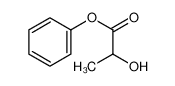
- 7292-85-5
- C9H10O3
- 166.17400
- All (0)
- China (0)
- (0)
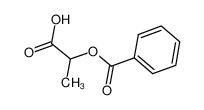
- 65245-10-5
- C10H10O4
- 194.18400
- All (0)
- China (0)
- (0)

- 79-33-4
- C3H6O3
- 90.08
- All (16)
- China (0)
- (16)

- 598-82-3
- C3H6O3
- 90.08
- All (20)
- China (1)
- (20)
Related Products More >

- CNY Request For Quotation
- CNY Request For Quotation
- CNY Request For Quotation
- 50-21-5
- CNY Request For Quotation
- 50-21-5
- CNY Request For Quotation
- 60343-69-3
- USD 18.0000
- 25kg
- 9002-88-4
- USD 3.0000
- 25kg
- 26100-51-6
- Request For Quotation
- 1ton


Fiber in bread mainly comes from the bran and germ parts of whole grains, which are often reduced or removed in refined flours. Sourdough fermentation involves lactic acid bacteria and yeast that partially break down some carbohydrates and fibers, potentially altering their structure and digestibility. This can improve gut health by promoting beneficial bacteria but does not drastically reduce total fiber content unless the bread is made from refined flour.
From a physiological perspective, dietary fiber plays a crucial role in digestive health by adding bulk to stool, supporting regular bowel movements, and feeding gut microbiota. Lower fiber intake, such as from white sourdough made with refined flour, can increase risks of constipation, dysbiosis, and even chronic diseases like cardiovascular disease and type 2 diabetes. Conversely, sourdough made from whole grain flour provides more fiber and additional nutrients, supporting better metabolic and gut health.
For patients managing digestive health or blood sugar control, choosing sourdough bread made from whole grains is a better option. Alternatively, increasing overall dietary fiber through fruits, vegetables, legumes, and whole grains can help balance fiber intake.
Fiber mainly comes from the bran and germ of whole grains. If sourdough bread is made with refined white flour, which has most of the bran removed, it tends to have lower fiber content. On the other hand, sourdough made with whole wheat or whole grain flours contains more fiber because these flours keep the bran and germ intact. So, not all sourdough breads are created equal when it comes to fiber!
Chemically speaking, sourdough fermentation uses natural yeast and lactic acid bacteria to break down starches and some complex carbohydrates. This process can slightly change the structure of fiber, making it easier to digest for some people. The lactic acid bacteria also produce organic acids, which add flavor and may improve gut health by promoting beneficial bacteria. However, this fermentation doesn’t drastically reduce the total fiber content—it just makes it more accessible.
Fiber is important because it helps with digestion, keeps you full longer, and supports a healthy gut microbiome. So if you’re looking for a higher-fiber option, check if your sourdough is made from whole grains. You can also pair sourdough bread with fiber-rich toppings like avocado, nut butters, or fresh veggies to boost your fiber intake.
In summary, sourdough bread’s fiber level depends on its ingredients—whole grain sourdough packs more fiber, while white sourdough is lower. The fermentation process helps with digestion but doesn’t remove fiber itself. So, enjoy your sourdough, and try to pick whole grain options when possible!
Think of it like this: Whole grain sourdough is like a jacket with a warm lining (fiber), while white sourdough is just the outer layer. The sourdough part (the fermentation) doesn’t change the fiber—it’s all about whether the flour kept the grain’s fibrous parts (bran and germ) or not.
Want to max out fiber? Check the ingredient list—“whole wheat” or “whole grain” should be first. Toast a slice and top with hummus (extra fiber!) for a filling snack. If you’re grabbing store-bought, skip the “enriched flour” versions—those are stripped of most fiber.
Sourdough’s tasty either way, but picking whole grain turns it into a fiber hero. Win-win!
Sourdough 101: What Makes It Unique?
Sourdough isn’t just any bread—it’s made with a fermented mix of flour and water (the “starter”) that breaks down sugars and gluten naturally. This fermentation process gives sourdough its signature taste and:
Easier digestion (great for sensitive tummies)
Lower glycemic index (steadier energy for active kids)
Potential probiotic benefits (though most live cultures are baked out)
But when it comes to fiber, the type of flour matters more than the fermentation.
Is Sourdough Low in Fiber? The Short Answer…
It depends on the flour!
White sourdough (made with refined wheat flour): Low in fiber (about 1–2g per slice). Similar to regular white bread.
Whole-grain sourdough (made with whole wheat, rye, or spelt): Higher in fiber (3–5g per slice). The bran and germ (fiber-rich parts) are left intact.
Common Myths Busted
“Sourdough is automatically high in fiber.”
Nope! The fermentation process doesn’t add fiber—it’s all about the flour. Always check the ingredients!
“All sourdough is healthy.”
White sourdough is still a refined carb. It’s better than regular white bread for digestion, but not a fiber powerhouse.
“Sourdough is gluten-free.”
False! Traditional sourdough contains gluten (though fermentation may make it easier to tolerate for some).
Family-Friendly Tips for Fiber-Friendly Sourdough
Choose whole-grain varieties:
Look for labels like “100% whole wheat,” “rye sourdough,” or “spelt sourdough.”
Try local bakeries—they often use higher-quality flours than store-bought loaves.
Pair with fiber-rich toppings:
Top toast with avocado + chia seeds (extra crunch and fiber!).
Serve sandwiches with veggies like spinach, cucumber, or roasted sweet potato.
Make it a side, not the main event:
Serve sourdough alongside a veggie-packed soup or salad to balance the meal.
Bake your own (kid-friendly version!):
Use a mix of whole wheat and all-purpose flour for a softer texture.
Let kids “knead” the dough (messy fun + sneaky motor skills practice!).