


 Home
Home
Hello, I want to ask how much fiber is in artichoke hearts? How does this fiber help digestion and cholesterol? Are there any side effects or risks with eating too many artichokes?
How much fiber in artichoke hearts is necessary to support optimal digestive and cardiovascular health?
Related Encyclopedia
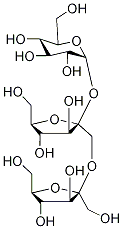
- 9005-80-5
- C18H32O16
- 504.43708
- All (24)
- China (14)
- (24)
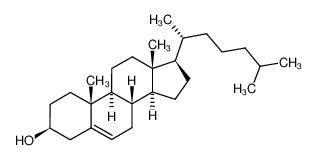
- 57-88-5
- C27H46O
- 386.65400
- All (44)
- China (23)
- (44)
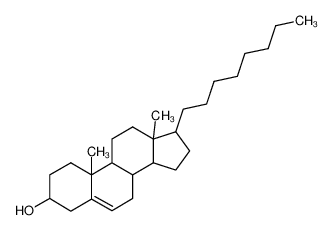
- 80356-14-5
- C27H46O
- 386.65400
- All (44)
- China (23)
- (44)

- 9004-64-2
- C3H7O*
- 59.08708
- All (22)
- China (9)
- (22)
- 9004-62-0
- C29H52O21
- 0
- All (59)
- China (31)
- (59)
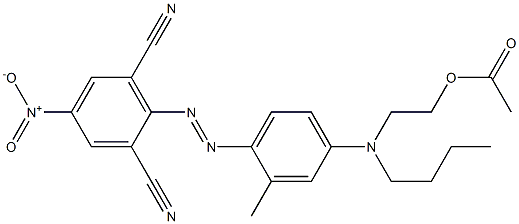
- 9004-57-3
- C23H24N6O4
- 448.47446
- All (21)
- China (2)
- (21)
- 9013-34-7
- C20H23NO5
- 0
- All (4)
- China (4)
- (4)
- 9012-09-3
- C40H54O27
- 966.84056
- All (3)
- China (0)
- (3)

- 9004-41-5
- C6H8N2O
- 124.14052
- All (1)
- China (1)
- (1)
- 9000-11-7
- C6H12O6
- 180.15588
- All (100)
- China (21)
- (100)
Related Products More >

- CNY Request For Quotation
- CNY Request For Quotation
- CNY Request For Quotation
- 9004-62-0
- Request For Quotation
- 9004-62-0
- Request For Quotation
- 9004-65-3
- Request For Quotation
- 9004-65-3
- USD 361.6000
- 25kg
- 9004-57-3
- USD 580.0000
- 25kg


Fiber in artichoke hearts is primarily a mix of soluble and insoluble fibers. The soluble fiber helps to form a gel-like substance in the digestive tract, slowing digestion and improving blood sugar control by regulating carbohydrate absorption. It also acts as a prebiotic, promoting the growth of beneficial gut bacteria. Insoluble fiber adds bulk to the stool, enhancing bowel regularity and preventing constipation. Together, these fibers contribute to a healthy gut environment, support cardiovascular health by lowering LDL cholesterol, and may aid in weight management by increasing satiety.
Clinically, artichoke heart fiber can be beneficial for patients with digestive irregularities or those seeking to improve lipid profiles. However, people with sensitive digestive systems might experience bloating or gas when increasing fiber intake rapidly. It’s recommended to increase fiber gradually and maintain adequate hydration to minimize discomfort.
For patients unable to consume enough fiber-rich vegetables, supplements or other high-fiber foods such as oats, beans, and fruits can be useful alternatives. Including artichoke hearts in the diet regularly can be a natural, tasty way to enhance fiber intake and promote overall health.
The polarity of these polysaccharides comes from abundant hydroxyl (-OH) groups, enabling hydrogen bonding with water molecules. This property underlies the ability of soluble fibers like pectin and inulin to form viscous gels in the digestive tract, slowing nutrient absorption and promoting satiety. Insoluble cellulose fibers resist digestion, increasing stool bulk and aiding bowel regularity.
The stability of these fibers varies with environmental factors. For example, pectin’s gel structure can be affected by pH and temperature, which is important in food processing and texture modification. Inulin is relatively stable and widely used as a functional food ingredient for its prebiotic effects.
Biologically, the fermentation of inulin and pectin by gut microbiota produces short-chain fatty acids such as butyrate, which supports colonocyte health and modulates inflammation. Understanding the molecular interactions of these fibers helps develop targeted dietary therapies and functional foods.
A stimulating question for further study might be: How could modifying the chemical structure of artichoke fibers improve their prebiotic effects or functional properties in food science?
Think of them like a fiber-filled snack in disguise. If a carrot is a small fiber snack (like a granola bar), artichoke hearts are the big energy bar—same idea, but way more bang for your bite. All that fiber is hidden in their tender, flavorful bits.
Toss a handful into salads or roast them with olive oil and garlic. They add a tasty, fiber-rich kick without feeling like "health food." Your gut will thank you, and your taste buds won’t even notice the extra nutrition—win-win!
The fiber count can vary based on preparation. Fresh artichokes, steamed or boiled, retain the most fiber since they’re minimally processed. Canned or jarred artichoke hearts (often packed in water or oil) lose a small amount during processing but still offer a solid 4–5 grams per serving. Marinated varieties might have added ingredients like oil or vinegar, which don’t affect fiber but could add calories—check labels if you’re watching intake. For families, fresh artichokes are great for weekend meals, while canned hearts offer quick weeknight options for salads, pizzas, or dips.
A common mistake families make is assuming artichokes are “too fancy” for everyday meals. While they might seem like a restaurant-only veggie, canned hearts are affordable and shelf-stable, making them easy to toss into pasta, omelets, or grain bowls. Another误区 (Chinese for “misconception”) is thinking fiber from artichokes alone is enough. Aim to mix them with other fiber-rich foods like whole grains, beans, or veggies to keep meals balanced and interesting.
For a family-friendly approach, try steaming fresh artichokes and serving them with a dip like hummus or yogurt-tahini sauce—kids love pulling off the leaves! For quicker meals, chop canned artichoke hearts into a Mediterranean quinoa salad with tomatoes, cucumbers, and feta, or blend them into a creamy dip with white beans and garlic. If you’ve got picky eaters, hide artichokes in dishes like spinach-artichoke stuffed shells or mixed into a veggie-packed soup.
By treating artichoke hearts as a flexible, fiber-rich ingredient rather than a “special occasion” food, your family can enjoy their benefits without fuss. Start small—add a spoonful to a dish you already love—and watch how a little creativity turns this humble veggie into a gut-health hero!