


 Home
Home
Hi, I’d like to know what is the best fiber for dogs. Should I use pumpkin or psyllium for constipation? What if my dog has soft stools or is overweight—does the type of fiber matter in these situations?
What is the best fiber for dogs and how do different types affect digestion, stool quality, and chronic health conditions?
Related Encyclopedia

- 8063-16-9
- C33H66O2
- 494.87594
- All (0)
- China (0)
- (0)

- 9004-64-2
- C3H7O*
- 59.08708
- All (22)
- China (9)
- (22)
- 9004-62-0
- C29H52O21
- 0
- All (59)
- China (31)
- (59)
- 9004-57-3
- C23H24N6O4
- 448.47446
- All (21)
- China (2)
- (21)
- 9013-34-7
- C20H23NO5
- 0
- All (4)
- China (4)
- (4)
- 9012-09-3
- C40H54O27
- 966.84056
- All (3)
- China (0)
- (3)

- 9004-41-5
- C6H8N2O
- 124.14052
- All (1)
- China (1)
- (1)
- 9000-11-7
- C6H12O6
- 180.15588
- All (100)
- China (21)
- (100)
- 9004-34-6
- (C12H20O10)n
- 324.28
- All (3)
- China (2)
- (3)
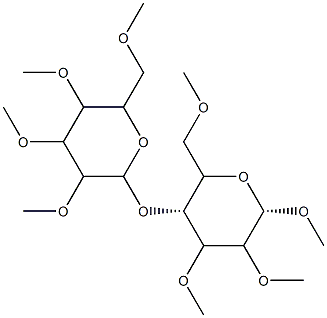
- 9004-67-5
- C20H38O11
- 454.50912
- All (19)
- China (0)
- (19)
Related Products More >

- CNY Request For Quotation
- CNY Request For Quotation
- CNY Request For Quotation
- 9004-62-0
- Request For Quotation
- 9004-62-0
- Request For Quotation
- 9004-65-3
- Request For Quotation
- 9004-65-3
- USD 361.6000
- 25kg
- 9004-57-3
- USD 580.0000
- 25kg


Dietary fiber in dogs functions similarly to that in humans—it isn't digested in the small intestine but instead ferments in the colon, producing short-chain fatty acids (SCFAs) such as butyrate. These SCFAs help nourish colon cells, regulate water absorption, and maintain a healthy gut environment. Insoluble fibers like cellulose can bulk up stool and help with constipation, while soluble fibers like psyllium can slow digestion and help manage diarrhea or blood sugar spikes.
From a veterinary perspective, fiber can be used therapeutically for several conditions—chronic diarrhea, constipation, anal gland issues, obesity, and even diabetes. For example, adding pumpkin or psyllium to a dog’s meal can ease constipation by attracting water into the stool, while beet pulp offers a balance between solubility and fermentability, making it a common ingredient in many high-quality dog foods.
However, too much fiber can cause bloating, gas, or interfere with nutrient absorption. It’s especially important not to introduce large amounts suddenly, as this can irritate the gut or worsen symptoms in sensitive dogs. Senior dogs or those with gastrointestinal disorders might need custom fiber blends, often under the guidance of a vet.
A good approach is to choose dog food that includes natural fiber sources and observe your pet’s stool consistency and behavior. If you're supplementing, introduce small amounts of plain canned pumpkin, cooked sweet potato, or commercial dog fiber supplements gradually. Hydration is also key—fiber needs water to function properly.
The best fiber for dogs often comes from natural sources like pumpkin, sweet potatoes, and green beans. These foods are gentle on the stomach and provide a good balance of soluble and insoluble fiber. The source matters a lot—always opt for fresh or minimally processed options to avoid unnecessary additives. How you introduce fiber into your dog’s diet is also crucial. Start slowly to prevent digestive upset, mixing small amounts into their regular food and gradually increasing the portion.
Different dogs have different needs. Puppies, adult dogs, and senior dogs may all require varying amounts of fiber. Additionally, dogs with specific health conditions, like diabetes or digestive issues, might benefit from tailored fiber intake. It’s always a good idea to consult your vet before making significant changes to your dog’s diet, especially if they have underlying health concerns.
A common mistake many pet owners make is assuming that all fiber is created equal. While sources like bran can be high in fiber, they might be too rough for some dogs and can cause discomfort. Another误区 (which means “misconception” in Chinese) is that more fiber is always better. Too much fiber can lead to loose stools or even blockages, so balance is key.
For a gentle approach, try adding a spoonful of plain pumpkin puree to your dog’s meal a few times a week. It’s an easy way to boost fiber intake without overdoing it. You can also offer small pieces of cooked sweet potato or steamed green beans as treats. Always monitor how your dog responds and adjust accordingly.
By paying attention to your dog’s individual needs and introducing fiber gradually, you can support their digestive health and overall well-being in a way that fits seamlessly into your family routine.
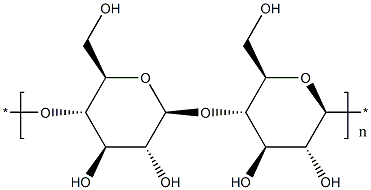
The most common fibers used for dogs include cellulose (an insoluble fiber), psyllium (a soluble, gel-forming fiber), and moderately fermentable fibers like beet pulp. For example, cellulose is made of β-1,4-linked glucose units. Because dogs (and humans) don’t produce the enzyme cellulase, they can't break these β-linkages, so cellulose passes through the digestive system largely intact. This gives it the ability to add bulk to stool without fermenting much in the colon.
Psyllium, in contrast, contains a mixture of arabinose and xylose sugars with complex side chains that make it highly hydrophilic. When mixed with water, its polar hydroxyl groups interact with water molecules via hydrogen bonding, allowing it to swell and form a gel-like substance. This gel slows digestion and can help with both constipation and diarrhea by stabilizing water content in the gut.
Beet pulp is interesting because it contains both soluble and insoluble components, such as pectin and cellulose. The soluble parts are fermented by gut bacteria in the large intestine, producing short-chain fatty acids (like butyrate) that support intestinal cell health and promote beneficial microbiota growth.
In daily life, these fibers are added to commercial dog foods or given as natural additives like canned pumpkin. From a biochemical perspective, the effectiveness of a fiber type depends on its solubility, fermentability, and bonding patterns, which affect how it's metabolized in the gut.
Think of it like how oatmeal works for us: mild, soothing, and great for keeping things regular without upsetting tummies. Just as we might add oats to a smoothie for extra fiber, pumpkin fiber blends smoothly into your dog’s food, no fuss.
Try this: Stir a tablespoon of plain, unsweetened canned pumpkin (not pie filling!) into their kibble a few times a week. It’s a simple way to boost their fiber intake and keep their digestion happy. Start small—you don’t want to overdo it!