


 Home
Home
Hello, I want to ask can you wash polyester fiber pillows at home? What washing methods are safest to avoid damage? How often should pillows be cleaned to reduce allergies and maintain health?
Can you wash polyester fiber pillows safely, and what precautions should you take to protect your health and the pillow’s integrity?
Related Encyclopedia
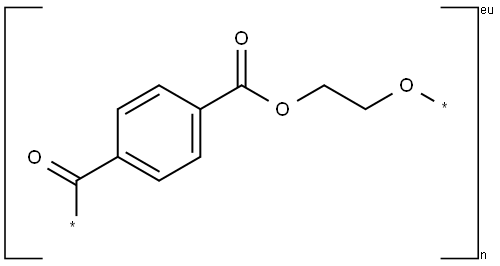
- 25038-59-9
- C10H12O6
- 228.19868
- All (3)
- China (0)
- (3)
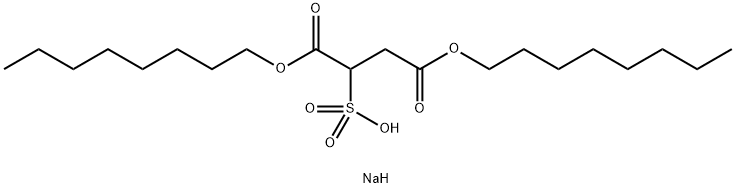
- 1639-66-3
- C20H39NaO7S
- 446.57
- All (3)
- China (2)
- (3)
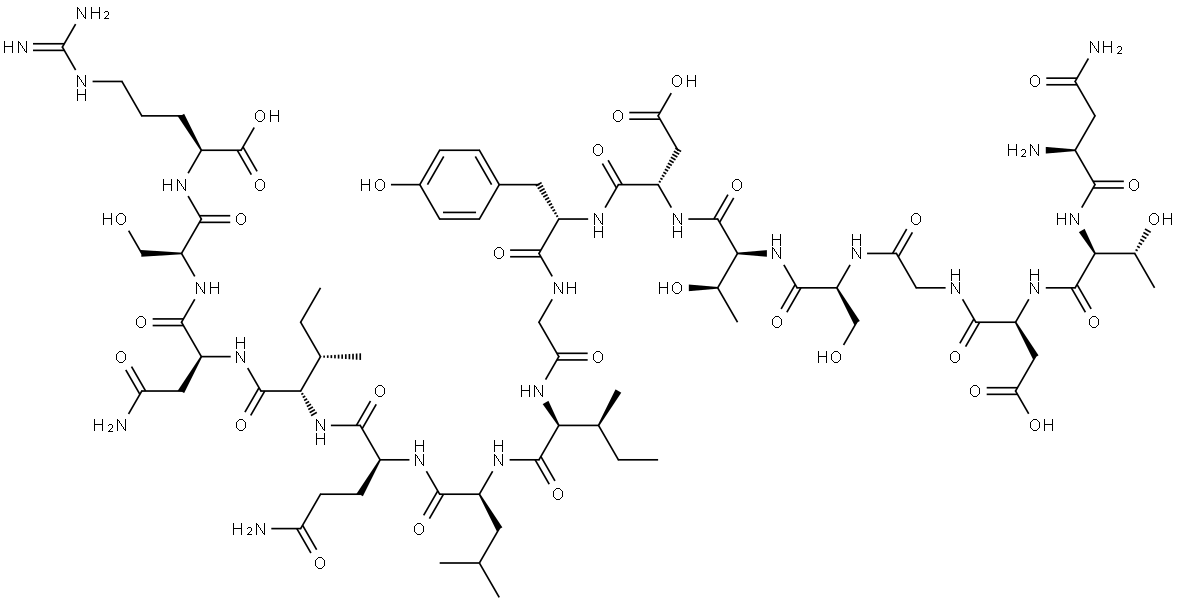
- 62982-31-4
- C72H116N22O29
- 1753.82
- All (0)
- China (0)
- (0)
Related Products More >

- 80595-68-2
- Request For Quotation
- 80595-68-2
- Request For Quotation
- Bales
- 80595-68-2
- Request For Quotation
- 80595-68-2
- Request For Quotation
- 41203-81-0
- Request For Quotation
- 25135-73-3
- Request For Quotation
- 25038-59-9
- Request For Quotation
- 25038-59-9
- Request For Quotation


From a medical perspective, regular washing of pillows helps reduce dust mites, bacteria, and fungi, which are common triggers for allergies and respiratory problems like asthma. Polyester fibers themselves are synthetic polymers made from repeating units of polyethylene terephthalate (PET). These fibers are hydrophobic to some extent but can absorb moisture trapped inside the pillow, creating a humid environment favorable for microbial growth if not cleaned properly.
Washing pillows removes accumulated sweat, skin flakes, and dust that harbor allergens. However, improper washing—such as using too high water temperatures, harsh detergents, or insufficient drying—can damage the fiber structure, causing clumping or loss of loft, which reduces support and comfort. Damp pillows also pose a risk of mold development, potentially worsening respiratory health.
To minimize health risks, follow manufacturer instructions, usually recommending gentle machine wash cycles with mild detergent and low-temperature water. Thorough drying, ideally in a dryer with tennis balls or dryer balls to fluff the filling, is crucial to prevent moisture retention. For people with allergies or asthma, more frequent washing (every 1-3 months) is advisable.
If washing isn’t practical, using allergen-proof pillow covers and regularly airing pillows can help manage allergens. Replacing pillows every 1-2 years also maintains hygiene and support.
When washing polyester fiber pillows, understanding the fiber’s chemical stability is key. The ester bonds in PET are relatively stable under mild washing conditions, but exposure to very high temperatures or harsh chemicals can cause hydrolysis, breaking these bonds and degrading the fiber. This degradation can lead to loss of pillow shape, fiber clumping, and reduced durability. Additionally, mechanical agitation during washing can physically damage the fibers.
From a biological perspective, regular washing helps remove sweat, skin oils, dust mites, and microbes that accumulate in pillows, reducing allergens and potential respiratory irritants. However, incomplete drying after washing may allow microbial growth like mold or bacteria, which thrive in moist environments, posing health risks.
Industrially, polyester fibers are designed to balance durability and comfort. The hydrophobic chemical nature helps pillows dry faster than natural fibers, reducing microbial risks if dried properly. Household washing machines generally use water temperatures and detergents that do not harm polyester’s chemical integrity if instructions are followed.
This knowledge leads to an interesting question: If chemical modifications could make polyester fibers more hydrophilic or antimicrobial without sacrificing stability, how might that change the care or health impact of polyester pillows?
Polyester fiber pillows are popular because they’re affordable, hypoallergenic, and hold their shape well. However, their durability depends on how you wash them. Over-aggressive cleaning or high heat can cause clumping, shrinkage, or even break down the fibers over time. Some pillows come with care labels that specify washing instructions—always check these first, as a few might recommend spot-cleaning only. If your family includes someone with sensitive skin or allergies, washing pillows regularly (every 3–6 months) helps remove dust mites, sweat, and oils that build up over time.
A common mistake is assuming all polyester pillows can handle hot water or heavy-duty cycles. While polyester is tough, hot water can weaken the fibers, and harsh detergents might leave residue. Another误区 (Chinese for “misconception”) is skipping the dryer or using high heat to speed things up. Polyester dries quickly, but high heat can make it stiff or cause the filling to bunch. Also, avoid wringing or twisting the pillows after washing, as this can distort their shape.
For a gentle approach, start by removing any pillowcases or protectors and washing those separately. Use a mild detergent and set your machine to a gentle cycle with warm (not hot) water. If your pillow is extra dirty, a second rinse cycle helps remove all soap. When drying, toss in a couple of clean tennis balls or dryer balls to fluff the fibers as they tumble. Opt for low heat and check every 20 minutes to prevent over-drying. If the weather’s nice, air-drying outside works too—just flip the pillow occasionally to ensure even drying.
By following these simple steps, your family’s polyester pillows will stay fresh, supportive, and comfortable for years. Regular maintenance not only extends their life but also promotes better sleep hygiene, which is a win for everyone!
Think of them like a synthetic t-shirt: polyester holds up well in water, unlike delicate fabrics that shrink or fall apart. Your pillow’s fill is basically a bunch of tiny polyester fibers, which won’t clump or break if you treat them gently, just like how your poly blend shirt stays soft after a wash.
Pro tip: Toss two pillows in the washer at once to balance it, use mild detergent, and skip the hot water. Then dry on low heat with a couple of tennis balls—they’ll fluff the fibers back up. Easy clean, fresh pillows!