


 Home
Home
Are there specific food groups, like vegetables or dairy products, that are particularly rich in both vitamins? Do different varieties of the same food, such as different types of carrots for vitamin A or various citrus fruits for vitamin C, have varying levels of these vitamins? How does cooking or food processing impact the retention of vitamin A and C in these foods? Also, are there any easy - to - access and affordable sources of these dual - vitamin - rich foods?
Sources Inquiry: What Foods Contain Vitamin A and C?
Related Encyclopedia
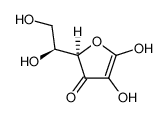
- 78619-96-2
- C6H8O6
- 176.12400
- All (24)
- China (1)
- (24)

- 68-26-8
- C20H30O
- 286.45
- All (33)
- China (9)
- (33)

- 11103-57-4
- C20H30O
- 286.46
- All (33)
- China (9)
- (33)
- 33631-43-5
- C23H35NO
- 341.53000
- All (0)
- China (0)
- (0)
- 6018-74-2
- C20H30O
- 286.45200
- All (0)
- China (0)
- (0)
- 24026-33-3
- C26H33NO2
- 391.54600
- All (0)
- China (0)
- (0)

- 104853-08-9
- C24H34O2
- 354.52600
- All (0)
- China (0)
- (0)

- 56085-53-1
- C20H28O
- 284.43600
- All (0)
- China (0)
- (0)
- 33631-45-7
- C24H37NO
- 355.55700
- All (0)
- China (0)
- (0)

- 102521-59-5
- C23H32O2
- 340.49900
- All (0)
- China (0)
- (0)
Related Products More >

- CNY Request For Quotation
- CNY Request For Quotation
- CNY Request For Quotation
- CNY Request For Quotation
- CNY Request For Quotation
- CNY Request For Quotation
- CNY Request For Quotation
- CNY Request For Quotation


Now, when you talk about different varieties of the same food, yeah, they can have varying levels of vitamins. For instance, some types of carrots might have more vitamin A than others because of their color intensity or growing conditions. Similarly, different citrus fruits have different vitamin C contents. Oranges are usually high, but limes and grapefruits can vary.
Cooking and food processing can impact vitamin retention. Heat can break down vitamins, so steaming or lightly sautéing veggies is better than boiling them. And when it comes to processing, canned and frozen foods can sometimes retain vitamins if they're processed quickly and without a lot of additives.
Finding affordable and easy-to-access sources of these dual-vitamin-rich foods isn't hard. Leafy greens are usually pretty cheap and available in most grocery stores. You can also buy frozen veggies, which are often just as nutritious and often cheaper than fresh ones. For dairy, go for fortified milk or yogurt, which will give you that extra vitamin A boost.
So, there you have it! Easy, affordable, and nutritious ways to get both vitamins A and C into your diet
Dairy products, on the other hand, are not typically known for being high in vitamin C. They are a good source of vitamin A, especially in the form of retinol, which is a preformed vitamin A. However, they don't provide significant amounts of vitamin C.
Different varieties of the same food can indeed have varying levels of these vitamins. For example, different types of carrots can have different levels of vitamin A. Orange carrots are generally higher in beta-carotene, which the body converts to vitamin A, compared to some other colored varieties. Among citrus fruits for vitamin C, oranges are a well-known and commonly consumed source, but grapefruits and lemons can also be good sources, with some variation in their vitamin C content depending on factors like growing conditions and ripeness.
Cooking or food processing can have a significant impact on the retention of vitamins A and C. Vitamin A is a fat-soluble vitamin, so cooking methods that involve the use of fats, like frying or sautéing, can help preserve it to some extent. However, excessive heat and prolonged cooking can lead to some loss. Vitamin C, being water-soluble, is more sensitive to heat and oxygen. Boiling or prolonged cooking in water can cause significant losses of vitamin C. Steaming or microwaving are better cooking methods for preserving both vitamins.
In terms of easy-to-access and affordable sources of these dual-vitamin-rich foods, leafy greens like spinach and kale are often readily available in supermarkets and are relatively inexpensive. Carrots are also a common and affordable vegetable that can be found in most grocery stores. Citrus fruits like oranges are widely available, especially during their peak season, and are a cost-effective way to get vitamin C. Sweet potatoes are another affordable option that can provide both vitamins.
Overall, incorporating a variety of these foods into our diet can help ensure we're getting enough vitamins A and C, whether through fresh, minimally processed forms or cooked in a way that preserves their nutrient content.
Now, different varieties of the same food do have varying levels of these vitamins. Take carrots for vitamin A. The regular orange carrots are known for being rich in beta - carotene, which is a precursor to vitamin A. But there are also purple carrots, and they often have additional antioxidants along with a good amount of beta - carotene. For citrus fruits and vitamin C, oranges are a common source, but tangerines and lemons also have vitamin C. However, the vitamin C content can differ. Oranges usually have a decent amount, but some tropical citrus fruits like pomelos might have even more.
Cooking and food processing can really mess with the retention of vitamin A and C. Vitamin C is pretty sensitive to heat. When you boil vegetables like broccoli, a lot of the vitamin C gets leached out into the cooking water. Steaming is a much better option as it helps retain more of the vitamin C. For vitamin A, frying can be a problem. High - temperature frying can damage the carotenoids. Baking at moderate temperatures is usually okay for vitamin A - rich foods. When it comes to food processing, things like canning often involve heat, which can reduce the vitamin content of both vitamin A and C. Freezing, on the other hand, can be a good way to preserve them, especially for fruits and vegetables that are rich in these vitamins.
As for easy - to - access and affordable sources of dual - vitamin - rich foods, fruits and vegetables are your best friends. Grocery stores usually have a wide variety of produce. Apples are cheap and widely available. They have a bit of both vitamins, especially if you eat the skin. Bananas are another affordable option. They have some vitamin C and also contain a small amount of carotenoids related to vitamin A. In the vegetable aisle, potatoes are a staple. They're not super high in these vitamins, but they're cheap and contain a little bit of both. So, there are plenty of options out there for getting both vitamin A and C without breaking the bank.