


 Home
Home
Hi, I'd like to ask—can you use a salicylic acid cleanser every night and morning? Does daily twice-daily use of salicylic acid increase the risk of skin irritation or dryness, especially for sensitive skin types? How should I adjust my skincare routine when using such a cleanser, like moisturizing or sun protection? Are there any guidelines on the concentration of salicylic acid suitable for daily use? Thanks!
Can You Use a Salicylic Acid Cleanser Every Morning and Night?
Related Encyclopedia
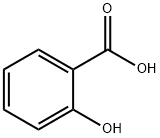
- 69-72-7
- C7H6O3
- 138.12
- All (164)
- China (35)
- (164)
- 74134-03-5
- C24H26O8
- 442.45800
- All (0)
- China (0)
- (0)
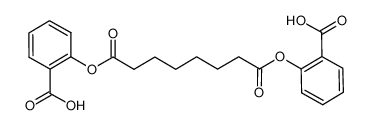
- 74134-02-4
- C22H22O8
- 414.40500
- All (0)
- China (0)
- (0)
- 1139888-48-4
- C22H18N2O4
- 374.38900
- All (0)
- China (0)
- (0)
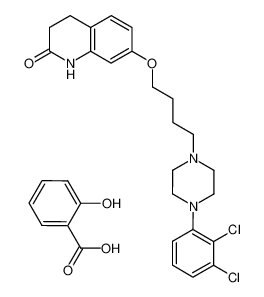
- 1258382-05-6
- C30H33Cl2N3O5
- 586.50600
- All (0)
- China (0)
- (0)
- 1225528-45-9
- C16H17NO5
- 303.31000
- All (0)
- China (0)
- (0)
- 1174325-91-7
- C21H19N3O7S2
- 489.52100
- All (0)
- China (0)
- (0)
- 905559-55-9
- C7H7NO3
- 153.13500
- All (0)
- China (0)
- (0)
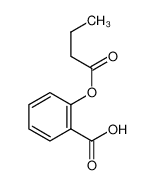
- 71974-02-2
- C11H12O4
- 208.21100
- All (0)
- China (0)
- (0)
- 85531-18-6
- C28H18O9
- 498.43700
- All (0)
- China (0)
- (0)
Related Products More >

- 97-05-2
- USD 3000.0000
- 1ton
- 97-05-2
- Request For Quotation
- 25kg/Cardboard Drum
- 97-05-2
- Request For Quotation
- As your request
- 97-05-2
- Request For Quotation
- Bottle,barrel,cargo,container,etc.
- 97-05-2
- Request For Quotation
- 97-05-2
- Request For Quotation
- 97-05-2
- Request For Quotation
- 97-05-2
- Request For Quotation


Salicylic acid, a beta-hydroxy acid (BHA), has become a popular ingredient in skincare products due to its unique properties. Structurally, it has the ability to dissolve in both oil and water, which gives it a distinct advantage when it comes to treating skin conditions. Unlike some other exfoliants, salicylic acid can penetrate deep into the pores, breaking down the excess sebum, dead skin cells, and debris that clog them. This makes it a go-to ingredient for those struggling with acne, blackheads, and generally congested skin. But with its powerful exfoliating capabilities comes the need for careful consideration regarding usage.
For individuals with oily or acne-prone skin, the idea of using a salicylic acid cleanser twice a day might seem appealing. The logic is that more frequent exfoliation can help keep pores clear and reduce the likelihood of breakouts. However, even for these skin types, it's not always a straightforward decision. When you first start using a salicylic acid cleanser, it's crucial to begin with a lower concentration product, typically in the range of 0.5 - 1%. This allows your skin to gradually adapt to the exfoliating effects of the acid. Think of it like slowly introducing a new type of exercise to your body; you wouldn't start with an intense workout right away. As your skin builds up tolerance, you might be able to consider using a product with a slightly higher concentration or increasing the frequency of use, but this should be done with great care.
On the other hand, if you have sensitive or dry skin, the prospect of using a salicylic acid cleanser daily, let alone twice a day, can be quite risky. Sensitive skin already has a compromised skin barrier, which acts as a protective shield against external irritants. Salicylic acid, by its very nature of exfoliating, can further disrupt this delicate barrier. When the skin barrier is weakened, moisture loss increases, leading to dryness, flakiness, and redness. Dry skin, too, lacks sufficient moisture, and the exfoliating action of salicylic acid can exacerbate this issue, stripping away what little natural oils the skin has. For these skin types, it's often advisable to start with using the cleanser every few days and closely monitor how the skin reacts. Some people with sensitive or dry skin might find that using it only once or twice a week is sufficient to reap the benefits without causing damage.
The risk of skin irritation and dryness associated with daily, twice-daily use of salicylic acid cleansers is significant, regardless of skin type. Every time you use a salicylic acid product, it's working to dissolve the intercellular matrix that holds dead skin cells together on the surface of your skin. Over time, if this process occurs too frequently, the outermost layer of the skin, the stratum corneum, can become thinner. A thinner stratum corneum means less protection for your skin, making it more vulnerable to environmental stressors like harsh weather, pollution, and even the friction from your clothing. For example, if you live in a city with high levels of air pollution, a damaged skin barrier due to overuse of salicylic acid can allow pollutants to penetrate more easily, potentially leading to further skin problems.
Moreover, when the skin becomes irritated or dry as a result of overusing salicylic acid, it can trigger a series of compensatory mechanisms. In the case of oily skin, excessive exfoliation can sometimes lead to rebound oil production. The skin senses the dryness and tries to make up for it by producing more sebum, which can then actually contribute to more breakouts, the very thing you were trying to prevent in the first place. For sensitive skin, irritation can manifest as redness, itching, and in more severe cases, even the development of rashes or exacerbation of existing skin conditions like rosacea or eczema.
If you do decide to incorporate a salicylic acid cleanser into your daily skincare routine, several adjustments are necessary to maintain healthy skin. Moisturizing becomes even more crucial. After cleansing with salicylic acid, your skin is more prone to moisture loss, so applying a good quality moisturizer immediately is essential. Look for moisturizers that contain ingredients like hyaluronic acid, which can attract and hold onto water, keeping your skin hydrated. Ceramides are another great ingredient as they help to repair and strengthen the skin barrier. Niacinamide is also beneficial as it can help regulate oil production and reduce inflammation.
The question of whether one can use a salicylic acid cleanser twice daily is not one with a simple yes or no answer. For individuals with oily or acne-prone skin, the consistent exfoliation provided by twice-daily use can be highly beneficial. Oily skin tends to produce an overabundance of sebum, which can mix with dead skin cells and clog pores, leading to breakouts. Salicylic acid, being oil-soluble, can penetrate deep into these pores, dissolving the mixture and preventing acne formation. Regular use in the morning helps to remove any excess sebum and impurities that have accumulated overnight, while use at night clears away the dirt, sweat, and makeup from the day, ensuring pores remain unclogged.
On the other hand, for those with dry, sensitive, or rosacea-prone skin, daily twice-daily use of a salicylic acid cleanser can be a recipe for disaster. These skin types already have a more delicate skin barrier, which acts as a protective shield against external aggressors and helps to retain moisture. Salicylic acid, while effective, can be quite potent and may strip the skin of its natural oils when used too frequently. This disruption of the skin barrier can lead to increased transepidermal water loss, resulting in dryness, tightness, and flakiness. Moreover, it can cause irritation, redness, itching, and even exacerbate conditions like rosacea, which is characterized by facial redness and visible blood vessels.
The risk of skin irritation and dryness associated with daily twice-daily use of salicylic acid is not limited to sensitive skin types alone. Even individuals with normal or combination skin may experience these side effects if they have other factors at play, such as using a cleanser with a high concentration of salicylic acid, not properly moisturizing, or using other harsh skincare products simultaneously. When the skin is constantly exfoliated without adequate replenishment of moisture and protection of the skin barrier, it becomes more vulnerable to environmental stressors, leading to a range of skin issues over time.
When incorporating a salicylic acid cleanser into your skincare routine, it is crucial to adjust the rest of your products and steps accordingly. Moisturizing becomes even more important, regardless of your skin type. After cleansing with a salicylic acid product, the skin's surface is left slightly more open and vulnerable, and applying a gentle, hydrating moisturizer helps to restore the skin's moisture balance and strengthen the skin barrier. Look for moisturizers that contain ingredients like hyaluronic acid, which can hold up to 1000 times its weight in water and provide intense hydration, ceramides, which help to repair and maintain the skin barrier, and glycerin, which attracts moisture to the skin.
Sun protection is another essential aspect of any skincare routine that includes salicylic acid. Since salicylic acid exfoliates the top layer of the skin, it reveals newer, more delicate skin cells that are more susceptible to damage from the sun's harmful UV rays. Even if you use the cleanser only at night, it is imperative to apply a broad-spectrum sunscreen with an SPF of at least 30 every morning, regardless of the weather or your plans for the day. Sunscreen helps to prevent sunburn, premature aging, and the development of skin cancer, protecting the skin from the long-term effects of UV exposure.
In terms of the concentration of salicylic acid suitable for daily use, it largely depends on your skin type and tolerance. Generally, cleansers with a concentration of 0.5% to 1% are considered gentle enough for most skin types, even those with sensitivity. These lower concentrations can still provide effective exfoliation and acne-fighting benefits without causing excessive dryness or irritation. For individuals with more resilient, oily, or acne-prone skin that can tolerate stronger products, cleansers with a concentration of 1.5% to 2% may be used, but it is important to start slowly and monitor the skin's reaction.
In terms of other products in your skincare routine, it's important to be mindful of what else you're using. Avoid using other exfoliating products, such as alpha-hydroxy acids (AHAs) like glycolic acid or physical scrubs, at the same time as your salicylic acid cleanser. Using multiple exfoliants together can be extremely harsh on the skin. Instead, space them out. For example, you could use the salicylic acid cleanser in the morning and a gentle hydrating serum in the evening, and then use an AHA product once or twice a week on days when you're not using the salicylic acid cleanser.
When it comes to the concentration of salicylic acid suitable for daily use, there are some general guidelines. As mentioned earlier, 0.5 - 1% is a good starting point for most people, especially those with sensitive or dry skin. This concentration provides a gentle exfoliation that can help improve skin texture and keep pores clean without causing excessive irritation. For those with oilier or more acne-prone skin who can tolerate a bit more, products with 1 - 2% salicylic acid can be considered, but again, start slowly and monitor your skin's reaction. Concentrations higher than 2% are usually found in leave-on treatments like spot treatments or chemical peels and are not typically recommended for daily use in a cleanser due to the increased risk of irritation, even for those with more resilient skin types.
It's also important to note that the pH of the salicylic acid cleanser matters. Salicylic acid works most effectively at a pH between 3 and 4. However, a lower pH can also increase the potential for irritation. So, look for cleansers that not only have an appropriate concentration of salicylic acid but also a balanced pH that won't be overly harsh on your skin.
In the end, using a salicylic acid cleanser every morning and night is a decision that requires careful thought and a willingness to pay close attention to your skin's needs. By starting slowly, adjusting your routine as needed, and being mindful of the concentration and formulation of the product, you can potentially enjoy the benefits of this powerful ingredient while keeping your skin healthy and happy.