


 Home
Home
Hi, I'd like to ask—does sucrose melt easily? What is the melting point of sucrose, and why is it considered "easy" or "difficult" to melt? How do hydrogen bonds in sucrose molecules affect its melting behavior? Does impurities in sucrose influence its melting point? Are there practical applications where sucrose's melting property is important (e.g., cooking or food processing)? Thanks!
Does Sucrose Melt Easily? A Detailed Exploration of Its Melting Properties and Factors
Related Encyclopedia
- 27641-21-0
- C12H22O11
- 342.29600
- All (17)
- China (10)
- (17)
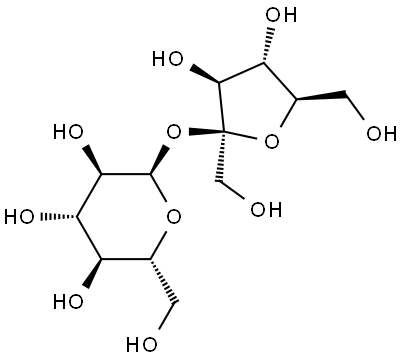
- 57-50-1
- C12H22O11
- 342.3
- All (17)
- China (10)
- (17)
- 95152-84-4
- C11H20O10
- 312.27100
- All (17)
- China (10)
- (17)
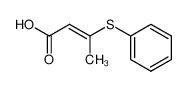
- 65399-21-5
- C10H10O2S
- 194.25000
- All (0)
- China (0)
- (0)
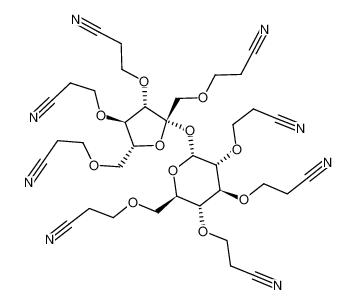
- 18304-13-7
- C36H46N8O11
- 766.80000
- All (0)
- China (0)
- (0)
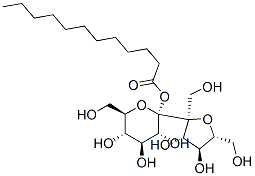
- 37266-93-6
- C24H44O12
- 524.59896
- All (0)
- China (0)
- (0)
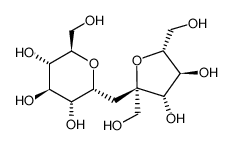
- 115094-71-8
- C13H24O10
- 340.32400
- All (0)
- China (0)
- (0)
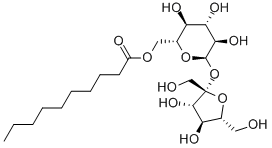
- 31835-06-0
- C22H40O12
- 496.55
- All (0)
- China (0)
- (0)
- 875515-34-7
- C16H26O14
- 442.36900
- All (0)
- China (0)
- (0)
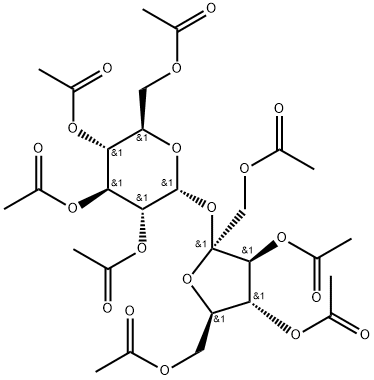
- 126-14-7
- C28H38O19
- 678.59
- All (5)
- China (0)
- (5)
Related Products More >

- 56038-13-2
- CNY 20.0000
- 25kg
- 34482-63-8
- Request For Quotation
- 1ton
- 34482-63-8
- Request For Quotation
- 25kg
- 25168-73-4
- Request For Quotation
- 25kg
- 25168-73-4
- Request For Quotation
- 500g
- 25168-73-4
- Request For Quotation
- 1kg
- 37318-31-3
- Request For Quotation
- 10kg
- 37318-31-3
- Request For Quotation
- 25kg


The reason sucrose has such a relatively high melting point lies in the nature of its molecular structure and the intermolecular forces at play. Sucrose molecules contain numerous hydroxyl (-OH) groups. These hydroxyl groups are responsible for the formation of hydrogen bonds. Hydrogen bonds are a particularly strong type of intermolecular force. In the solid crystalline form of sucrose, these hydrogen bonds create a highly organized and stable lattice structure. Each sucrose molecule is tightly held in place by multiple hydrogen bonds to neighboring molecules. To melt sucrose, a substantial amount of energy is required to break these numerous hydrogen bonds and disrupt the ordered lattice, allowing the molecules to move more freely and transition from a solid to a liquid state. This energy is provided in the form of heat, and until the temperature reaches 186°C, the hydrogen - bonded structure remains intact, keeping sucrose in its solid crystalline form.
Impurities present in sucrose can have a profound impact on its melting point. A principle known as melting point depression comes into play here. When impurities are mixed with sucrose, they disrupt the regular crystalline lattice of the pure sugar. These impurities can be other substances like water, minerals, or different types of sugars. For example, if sucrose has absorbed moisture from the air, the water molecules will insert themselves among the sucrose molecules. The water molecules interfere with the hydrogen bonding between sucrose molecules, weakening the overall intermolecular forces. As a result, the substance will start to soften and eventually melt at a lower temperature than pure sucrose. In industrial settings, where high - quality sucrose is required for various applications, meticulous efforts are made to remove impurities to ensure consistent melting behavior.
The melting properties of sucrose are of great significance in numerous practical applications, especially in the realm of cooking and food processing. In candy making, the melting and subsequent chemical changes of sucrose are the very foundation of creating different types of confections. When making hard candies, sucrose is heated well above its melting point, often to temperatures around 150 - 160°C or even higher. As the sucrose melts and is heated further, it begins to undergo dehydration reactions. Water molecules are removed from the sucrose structure, and the remaining molecules start to polymerize and form complex caramel compounds. The longer the heating process and the higher the temperature, the darker and more complex the flavor of the caramel becomes. If the temperature is carefully controlled during the melting and cooking process, a smooth, glossy, and hard candy can be produced.
In baking, although sucrose may not fully melt into a liquid in the same way as in candy making due to the presence of other ingredients like flour, eggs, and fats, its melting and subsequent chemical reactions still play crucial roles. As the temperature in the oven rises, sucrose gradually dissolves in the available moisture in the batter or dough. It then participates in Maillard reactions, which are responsible for the browning and development of rich flavors in baked goods. Sucrose also contributes to the texture of baked products. In cakes, for instance, it helps to retain moisture, keeping the cake soft and tender. The melting and subsequent changes of sucrose during baking are integral to achieving the desired taste, appearance, and texture of a wide variety of baked treats.
In the dairy industry, sucrose's melting properties are also important. In ice cream production, sucrose is one of the key ingredients. It does not fully melt in the traditional sense at the low temperatures used for freezing ice cream. Instead, it remains in a partially crystalline state, which helps to prevent the formation of large ice crystals. Smaller ice crystals result in a smoother and creamier texture in the ice cream, enhancing the overall eating experience.
In the laboratory, the melting point of sucrose serves as a valuable reference for determining the purity of samples. By measuring the melting point of a sucrose sample, chemists can assess whether it contains impurities. A pure sample of sucrose will melt at a narrow temperature range close to 186°C. If the sample has a broad melting range or a lower melting point, it indicates the presence of impurities, and further purification steps may be required. This makes the melting point analysis of sucrose an essential quality - control method in industries that rely on high - purity sucrose, such as the pharmaceutical industry, where sucrose is often used as an excipient in tablet formulations.
The melting point of sucrose is typically around 184–186°C (363–367°F) under normal atmospheric pressure. To put this in perspective, compared to substances that we commonly see melting at relatively low temperatures, such as ice which melts at 0°C (32°F) or butter that starts to soften and melt around 32–35°C (90–95°F), sucrose clearly requires a much higher temperature to transition from a solid to a liquid state. This high melting point indicates that under normal ambient conditions, sucrose remains a stable, crystalline solid. In a kitchen setting at room temperature, usually around 20–25°C (68–77°F), sucrose shows no signs of melting, which is why it can be stored in open containers without turning into a sticky mess.
The reason sucrose has a relatively high melting point and is thus not considered an "easily melting" substance in comparison to many others lies in the nature of the intermolecular forces within its structure. Sucrose molecules contain numerous hydroxyl (-OH) groups. These hydroxyl groups are capable of forming hydrogen bonds with neighboring sucrose molecules. Hydrogen bonds are a particularly strong type of intermolecular force. In the solid state, sucrose molecules are arranged in a highly ordered crystalline lattice, held together by these extensive hydrogen bonds. When heat is applied to solid sucrose, the energy from the heat must be sufficient to break these hydrogen bonds. Only when a large number of these bonds are disrupted can the sucrose molecules start to move freely and the substance begin to melt. This requires a significant amount of energy input, which is why a high temperature is needed.
The presence of impurities in sucrose can have a notable impact on its melting point. Impurities disrupt the regular arrangement of sucrose molecules in the crystalline lattice. For example, if sucrose contains moisture, the water molecules can insert themselves between the sucrose molecules. Water has its own hydrogen - bonding capabilities, and it can interact with the sucrose molecules, weakening the overall intermolecular forces within the sucrose structure. This phenomenon is known as freezing point depression (which also applies to the melting process). As a result, the mixture of sucrose and impurities will melt at a lower temperature than pure sucrose. In the case of raw sugar, which contains various impurities such as molasses, minerals, and small amounts of proteins and organic acids, it will start to melt at a temperature slightly lower than that of highly refined, pure sucrose. On the other hand, in industrial settings where high - purity sucrose is required, efforts are made to remove these impurities to ensure a more consistent and predictable melting behavior.
The melting properties of sucrose play a crucial role in many practical applications, especially in the culinary and food processing industries. In candy making, precise control of sucrose melting is essential. When making hard candies, sucrose is heated well above its melting point, often to temperatures around 149–154°C (300–310°F) for the hard - crack stage. At this temperature, the melted sucrose syrup has a low moisture content and, when cooled rapidly, solidifies into a hard, brittle candy. If the temperature is not controlled properly during the melting process, the final product may have the wrong ure—either too soft due to insufficient heating or burnt and bitter if overheated.
Caramelization, another important process in cooking, is closely related to the melting of sucrose. Caramelization begins when sucrose is heated above its melting point, typically starting around 170°C (338°F). As the temperature rises, the sucrose molecules break down and undergo a series of complex chemical reactions. These reactions lead to the formation of new compounds that give caramel its characteristic golden - brown color, rich, nutty flavor, and sticky ure. Chefs use caramelization in a variety of dishes, from desserts like crème brûlée, where a thin layer of sucrose on the surface is caramelized using a blowtorch, to savory dishes where caramelized onions add depth and sweetness.
In the industrial food processing sector, the melting properties of sucrose are harnessed in numerous ways. For example, in the production of breakfast cereals through the extrusion process, sucrose is included in the formulation. As the mixture of ingredients is forced through an extruder and subjected to high temperatures and pressures, the sucrose melts and then re - solidifies during cooling, helping to bind the other ingredients together and giving the cereal its desired shape and ure. Similarly, in the manufacturing of syrups and jellies, controlling the melting and subsequent cooling and setting of sucrose is crucial for achieving the right consistency and shelf - life.
The melting behavior of sucrose is also relevant in the con of food storage and transportation. Understanding how temperature can affect the melting of sucrose helps in determining the appropriate storage conditions. For example, if sucrose - containing products are exposed to high temperatures during shipping, there is a risk of the sucrose melting and then re - crystallizing in an undesirable way, which can affect the appearance and ure of the product. This is why many food products that contain significant amounts of sucrose are stored in cool, dry environments to prevent premature melting.
Overall, the melting of sucrose is a complex process influenced by its molecular structure, the presence of impurities, and the application of heat. Its relatively high melting point, due to strong hydrogen bonding, makes it stable under normal conditions but also allows for precise manipulation in various culinary and industrial applications. By carefully controlling the melting process, a wide range of delicious and visually appealing food products can be created.