


 Home
Home
Hi, I'd like to ask—what are the main differences between menthol and methyl salicylate? How do their chemical structures vary, and what impact does this have on their physical properties (e.g., melting point, solubility)? In what applications are they commonly used (e.g., medicine, cosmetics), and do they exhibit different biological effects? Are there safety considerations specific to each compound? Thanks!
What Is the Difference Between Menthol and Methyl Salicylate? A Comparative Analysis
Related Encyclopedia
- 1214906-07-6
- C10H20O
- 156.26500
- All (28)
- China (25)
- (28)

- 15356-70-4
- C10H20O
- 156.27
- All (25)
- China (10)
- (25)
- 1181819-05-5
- C10H20O
- 156.26500
- All (25)
- China (10)
- (25)
- 566916-97-0
- C17H23NO4
- 305.36900
- All (25)
- China (10)
- (25)
- 15356-60-2
- C10H20O
- 156.27
- All (6)
- China (2)
- (6)
- 90045-28-6
- C8H8O3
- 152.14700
- All (90)
- China (21)
- (90)
- 119-36-8
- C8H8O3
- 152.15
- All (90)
- China (21)
- (90)
- 121153-32-0
- C12H24O2
- 200.31800
- All (0)
- China (0)
- (0)
- 64282-88-8
- C10H20O
- 156.26500
- All (0)
- China (0)
- (0)
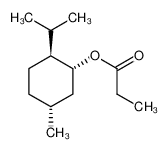
- 4951-48-8
- C13H24O2
- 212.33000
- All (0)
- China (0)
- (0)
Related Products More >

- CNY Request For Quotation
- CNY Request For Quotation
- CNY Request For Quotation
- CNY Request For Quotation
- 89-78-1
- USD 285.0000
- 25kg
- 89-78-1
- Request For Quotation
- 25kg/Cardboard Drum
- 89-78-1
- Request For Quotation
- 25kg/Cardboard Drum
- 89-78-1
- Request For Quotation


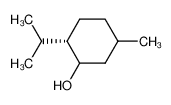
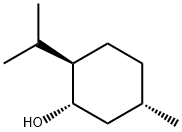
Starting with their chemical structures, menthol has a relatively complex cyclic structure. As a cyclic terpene alcohol with the chemical formula (C_{10}H_{20}O), it is built around a six - membered cyclohexane ring. The presence of a hydroxyl group (-OH) attached to the ring gives it its alcohol functionality. What makes menthol particularly interesting is its chirality. It has multiple stereoisomeric forms, and the (-)-menthol enantiomer is the one predominantly found in nature, sourced from essential oils of plants such as peppermint and corn mint. This specific enantiomer is responsible for many of the characteristic effects of menthol.
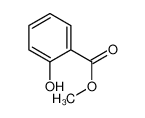
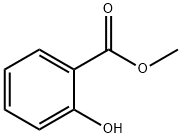
Methyl salicylate, in contrast, has an aromatic structure. With the chemical formula (C_8H_8O_3), it consists of a benzene ring, which is a hallmark of aromatic compounds. A carboxyl group (-COOH) is esterified with a methyl group (-OCH_3) to form an ester functional group, and there is also a hydroxyl group adjacent to the ester group. This combination of functional groups classifies it as a phenolic ester and is closely related to salicylic acid, which is well - known as a precursor to aspirin.
These structural differences have a direct impact on their physical properties. Menthol has a relatively low melting point, usually around 42 - 44°C. This means that at room temperature, it exists as a waxy solid, but it can easily melt when exposed to warmer conditions, such as when applied to the skin. Its boiling point is approximately 212°C. The relatively high boiling point is due to the intermolecular hydrogen bonding that occurs between the hydroxyl groups of different menthol molecules. Menthol's solubility is moderate in water because of the polar nature of the hydroxyl group, but it is much more soluble in organic solvents like ethanol, diethyl ether, and various oils. This solubility profile makes it suitable for incorporation into a wide range of products.
Methyl salicylate, on the other hand, is a colorless, oily liquid at room temperature. It has a melting point of around - 8.6°C and a boiling point of about 224°C. The presence of the aromatic ring and the ester group contributes to stronger intermolecular forces compared to some other simple organic compounds, but the lack of extensive hydrogen bonding like in menthol allows it to remain in a liquid state at room temperature. Methyl salicylate is poorly soluble in water but readily dissolves in organic solvents and oils. The limited water solubility is due to the non - polar nature of the large aromatic ring and the ester group overpowering the weak polarity of the phenolic hydroxyl group.
In terms of applications, menthol is widely used in the medical field. In topical analgesics, such as muscle rubs, it creates a cooling effect. This cooling sensation works by activating cold - sensitive receptors (TRPV1 channels) in the skin. When these channels are stimulated, they send signals to the brain that are interpreted as a cold feeling, which can help to mask pain. Menthol is also a common ingredient in cough drops and nasal inhalers. In cough drops, it soothes the irritated throat, and in nasal inhalers, it acts as a decongestant and expectorant, helping to clear the airways. In the cosmetics and toiletries industry, menthol is added to products like toothpaste, shaving creams, and fragrances for its refreshing scent and the cooling sensation it provides to the user.
Methyl salicylate also has significant applications in medicine. It is frequently used in liniments and ointments, often referred to as "wintergreen oil" due to its characteristic wintergreen - like scent. When applied topically, methyl salicylate acts as a counterirritant and anti - inflammatory. Once on the skin, it is metabolized into salicylic acid. Salicylic acid has properties similar to aspirin, providing analgesic (pain - relieving) and anti - inflammatory effects. This makes methyl salicylate - containing products useful for treating conditions like arthritis or muscle strain. Additionally, methyl salicylate is used in the fragrance and flavor industry. Its sweet, minty - wintergreen scent makes it a popular additive in candies, gum, and perfumes.
When it comes to safety, both compounds have their own considerations. Menthol, while generally safe for topical use in normal amounts, should be kept away from eyes and mucous membranes as it can cause irritation. Ingestion of large amounts of menthol, especially by young children, can be dangerous and may lead to symptoms such as seizures or respiratory issues. High concentrations of inhaled menthol can also irritate the respiratory tract.
Methyl salicylate, however, poses more serious safety risks, particularly when it comes to ingestion. It is highly toxic, and even small amounts, especially in children (as little as 1 - 2 mL), can cause severe poisoning. Symptoms of methyl salicylate poisoning include hyperventilation, metabolic acidosis, and can progress to organ failure if not treated promptly. For topical use, it should be used in diluted forms to avoid skin irritation, and it should not be applied to broken skin or large areas of the body. People who are allergic to aspirin or salicylates should avoid products containing methyl salicylate, as there is a risk of cross - reactivity.
Starting with their chemical structures, menthol belongs to the class of cyclic terpene alcohols. Its molecular formula is C10H20O. Menthol features a six - membered cyclohexane ring, which provides it with a relatively bulky and non - polar part of the molecule. Attached to this ring is a hydroxyl group (-OH), which imparts some polarity to the molecule. The presence of a chiral center in menthol means that it exists in different stereoisomeric forms. The (-)-menthol is the most prevalent and biologically active form found naturally in peppermint and other mint - containing plants. This specific spatial arrangement of atoms in (-)-menthol is crucial for its interaction with biological receptors, which we will explore later.
Methyl salicylate, on the other hand, is an aromatic ester with the molecular formula C8H8O3. It consists of a benzene ring, which is a highly stable and planar aromatic structure. A carboxyl group (-COOH) is attached to the benzene ring, and this carboxyl group is esterified with a methyl group (-OCH3), forming the methyl ester functional group. This ester functional group gives methyl salicylate its characteristic chemical reactivity and physical properties, differentiating it significantly from menthol. The benzene ring also contributes to the overall stability and aromatic nature of the compound, influencing its odor and solubility characteristics.
These structural differences have a direct impact on their physical properties. Menthol is a solid at room temperature, with a melting point in the range of approximately 42–44°C. Its solid state is due to the intermolecular forces at play. The non - polar cyclohexane rings can stack together through van der Waals forces, and the hydroxyl groups can form hydrogen bonds with neighboring menthol molecules, although the non - polar part of the molecule limits the extent of hydrogen bonding. Menthol has a very low solubility in water because the large non - polar cyclohexane ring outweighs the polarizing effect of the hydroxyl group. However, it readily dissolves in organic solvents such as alcohols and oils, which makes it suitable for many applications in the food, pharmaceutical, and cosmetic industries. Menthol also has the unique property of readily subliming, which means it can transition directly from the solid state to the gaseous state. This sublimation property is responsible for its strong, cooling minty odor that is quickly released into the air.
Methyl salicylate, in contrast, is a colorless to pale yellow liquid at room temperature, with a melting point of around - 8.6°C. As an ester, it has different intermolecular forces compared to menthol. The ester functional group allows for some dipole - dipole interactions, but these are not as strong as the hydrogen bonding in menthol. Methyl salicylate's liquid state at room temperature also contributes to its higher volatility compared to menthol. It has a sweet, fruity, wintergreen - like scent, which is a result of its molecular structure and the way it interacts with olfactory receptors. Similar to menthol, methyl salicylate has poor solubility in water but mixes well with organic solvents like ethanol and ether.
In the cosmetics and personal care industry, menthol is added to toothpaste, mouthwash, and various skincare products. In toothpaste and mouthwash, it provides a refreshing minty flavor and a cooling sensation in the mouth, which is often associated with cleanliness. In skincare products, it can give a refreshing feeling on the skin, and in some hair care products, it is believed to stimulate the scalp, although its primary role in these products is often for the sensory experience it provides. Menthol is also used as a flavoring agent in foods, beverages, and tobacco products, adding a characteristic minty taste.
Methyl salicylate, in the medical field, is primarily used as a topical analgesic. It is a common ingredient in products like Bengay and Icy Hot. When applied to the skin, methyl salicylate acts as a counterirritant. It irritates the nerve endings in the skin, which in turn distracts the brain from deeper pain sources, such as arthritis or muscle strains. This is based on the principle that the brain can only process a certain amount of sensory information at a time, and the irritation from the methyl salicylate "overrides" the pain signals from the underlying condition to some extent. Historically, it was also used as a rubefacient, which means it was used to cause skin redness due to increased blood flow. However, its use in this capacity has declined due to the risks of systemic toxicity associated with it.
In the industrial and fragrance sectors, methyl salicylate is a key ingredient in wintergreen oil, which is widely used for flavoring candies, gums, and beverages. Its sweet, wintergreen flavor is highly popular in these products. It is also used as a fragrance component in cosmetics, soaps, and perfumes, adding a unique and pleasant scent. In addition, methyl salicylate serves as a solvent in some pharmaceutical formulations and as a reagent in organic synthesis reactions.
When it comes to their biological effects and safety considerations, there are notable differences between the two compounds. Menthol primarily acts on sensory nerves, creating the cooling and mild anesthetic effects we have discussed. It does not have significant anti - inflammatory or antibacterial properties on its own. However, in high concentrations, menthol can irritate mucous membranes or the skin, especially in individuals with sensitive skin or those who are allergic to it. In terms of safety, menthol is generally recognized as safe (GRAS) in food and topical applications when used at low doses. But it should be avoided in infants under 2 years of age because inhaling high concentrations of menthol can cause respiratory distress. Oral ingestion of large amounts of menthol, such as pure menthol crystals, can lead to symptoms like nausea, vomiting, and central nervous system depression.
Methyl salicylate, on the other hand, has a more complex biological action. When applied topically, a small amount of methyl salicylate is absorbed through the skin and metabolized in the body to salicylic acid, which is similar to aspirin (acetylsalicylic acid). This metabolic conversion gives it some indirect anti - inflammatory effects. However, methyl salicylate is highly toxic if ingested. Even small amounts, such as 1–2 teaspoons in children, can lead to salicylate poisoning. Symptoms of salicylate poisoning include vomiting, tinnitus (ringing in the ears), hyperventilation, and in severe cases, it can progress to coma or respiratory failure. For this reason, methyl salicylate - containing products should be kept out of reach of children. It is also contraindicated for individuals with aspirin allergies, as they may have a cross - sensitivity to methyl salicylate. In addition, it should be avoided on sensitive skin as it can cause irritation or sensitization.